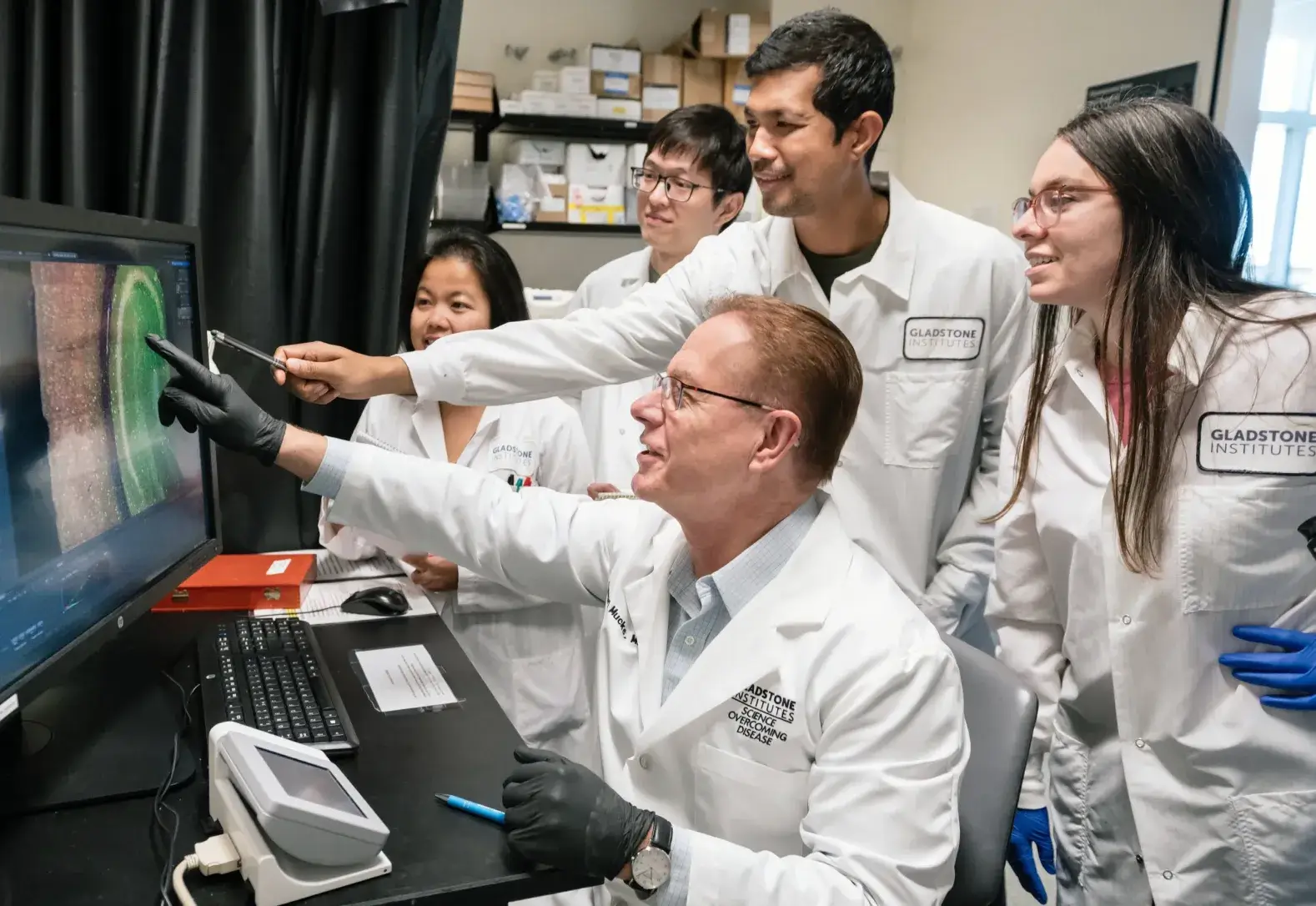
Bruce Conklin’s team aims to cure genetic diseases using state-of-the-art genome-engineering technology.
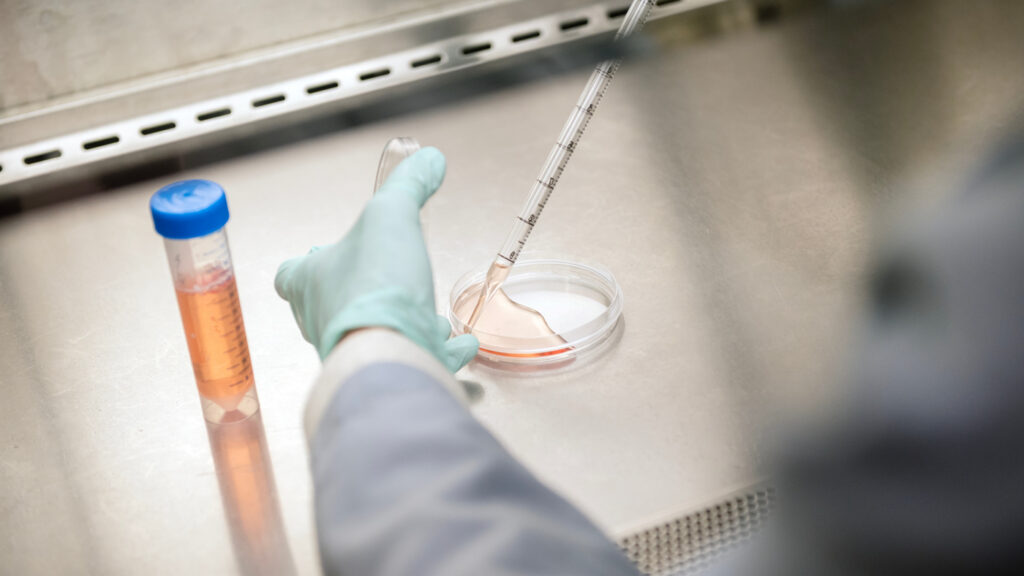
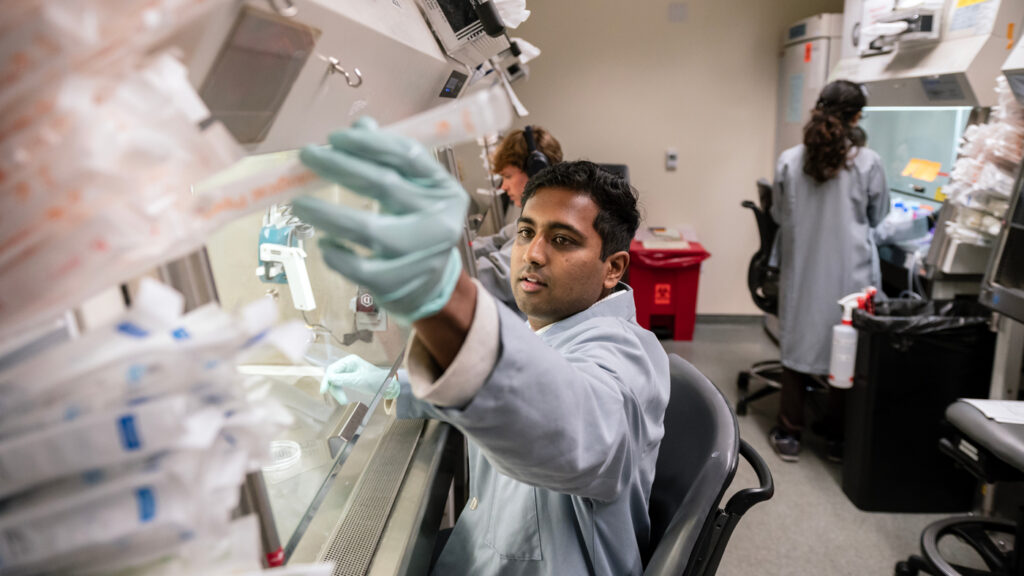
This involves using patient-specific induced pluripotent stem (iPS) cells to derive tissue from patients who carry disease mutations that could benefit from therapeutic genome editing with CRISPR. Conklin’s team focuses on modeling diseases in iPS cells, then testing the effect of genome editing. Their proof-of-concept studies are aimed at rare mutations with the highest chance of a measurable clinical impact, with the goal to expand to more common diseases. Conklin’s group hopes to produce therapies that are safe and cost-effective so they can benefit the maximum number of people.
Disease Areas
- Heart Failure, Genetic Forms of Cardiomyopathy
- Dominant Genetic Diseases of Multiple Organ Systems
- Motor Neuron Diseases (Charcot-Marie-Tooth and ALS)
- Retinitis Pigmentosa, Causing Blindness
Areas of Expertise
- CRISPR and Genome Editing
- Stem Cells and iPS Cells
- Human Genetics
- Molecular Pharmacology
- Motor Neuron Biology
- Neuron Pathobiology
- Cardiomyocyte Biology
Lab Focus
- Using human genetics to understand disease mechanisms.
- Creating stem cell-derived models of human genetic disease.
- Leveraging genome-editing technology to study and cure genetic diseases.
Research Impact
Stem cell biology and therapeutic genome editing with CRISPR are both rapidly developing fields that will drive a new level of investigation into diverse cell types associated with genetic diseases, including cardiomyocytes, motor neurons, and retinal pigment epithelial cells. Only by understanding the basic cellular and molecular physiology of these cells can scientists meet the challenges that lie ahead.
Conklin’s lab investigates how genetic mutations affect the formation of different cell types to probe the 3D architecture and epigenetic state of the genes of interest. In addition, as the team learns to orchestrate precise genomic repair, they are gaining a better understanding of how DNA repair machinery differs in each cell type. Furthermore, they perform genome engineering in authentic cellular models to provide mechanistic insights into disease processes and the potential for functional recovery.