


Research on Rare Genetic Disease Reveals New Stem Cell Pathway
How do you improve a Nobel Prize-winning discovery? Add a debilitating disease-causing gene mutation.
Gladstone NOW: The Campaign Join Us on the Journey ✕
91 - 105 of 134 Results Clear All
How do you improve a Nobel Prize-winning discovery? Add a debilitating disease-causing gene mutation.
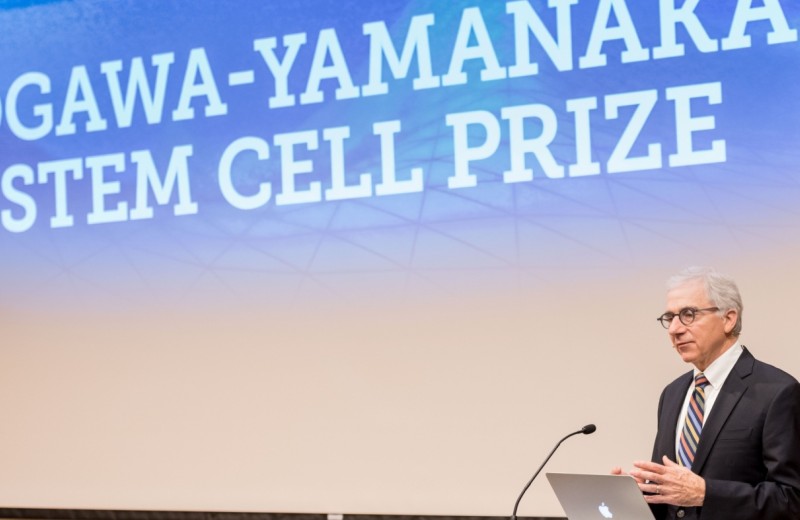
Melton was awarded the prize for his pioneering work to treat diabetes with stem cells. The award celebrates scientists whose original translational research has advanced cellular reprogramming technology for regenerative medicine.
Awards News Release Ogawa Stem Cell Prize Stem Cells/iPSCsWith a trick of engineering, scientists at the Gladstone Institutes improved a potential weapon against inflammation and autoimmune disorders.
McDevitt Lab Stem Cells/iPSCsQian was awarded the inaugural Boyalife, Science & Science Translational Medicine Award for her research on reprogramming cells in the heart to treat heart failure.
Srivastava Lab Stem Cells/iPSCsForward-looking researchers at the Gladstone Institutes are working to solve the stem cell supply problem by pursuing innovative ways to improve stem cell engineering and scale-up tissue manufacturing.
Conklin Lab Ding Lab McDevitt Lab Stem Cells/iPSCsIn a major breakthrough, Gladstone scientists transformed skin cells into heart cells and brain cells using a combination of chemicals and without adding external genes to the cells.
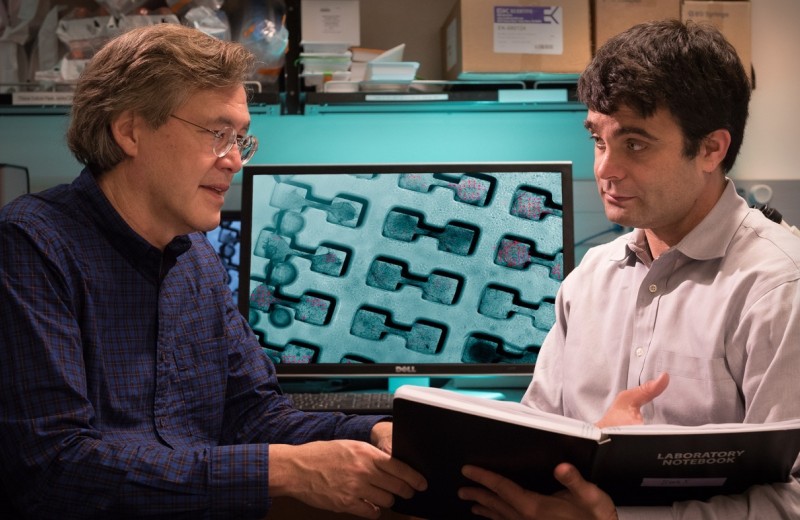
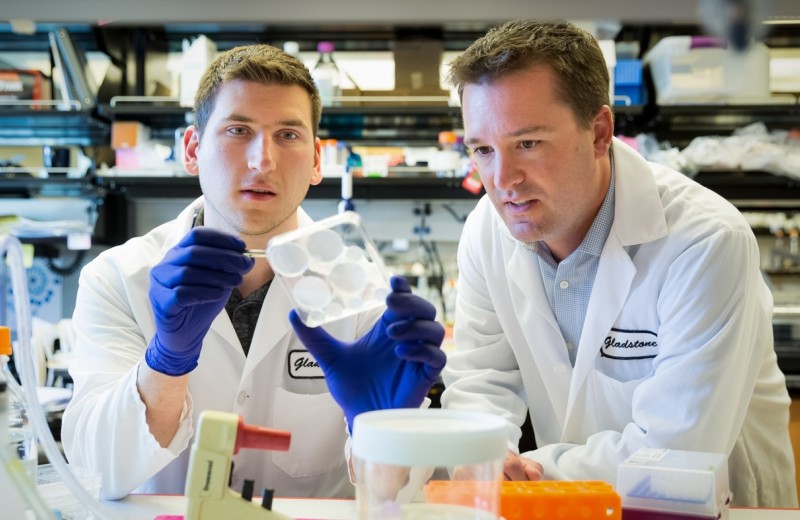
Ding Lab Stem Cells/iPSCsGladstone scientists have invented a new way to create micro heart muscle from stem cells using a unique dog bone dish. The three-dimensional tissue is ideal for disease modeling and drug testing.
Conklin Lab Stem Cells/iPSCsCombining the two most powerful biological tools of the 21st century, scientists at the Gladstone Institutes have manipulated the genome of induced pluripotent stem cells for the first time using a variation of the CRISPR system.
Conklin Lab CRISPR/Gene Editing Stem Cells/iPSCsGladstone scientists have discovered how to make a new type of cell that is in between embryonic stem cells and adult heart cells, and that may hold the key to treating heart disease.
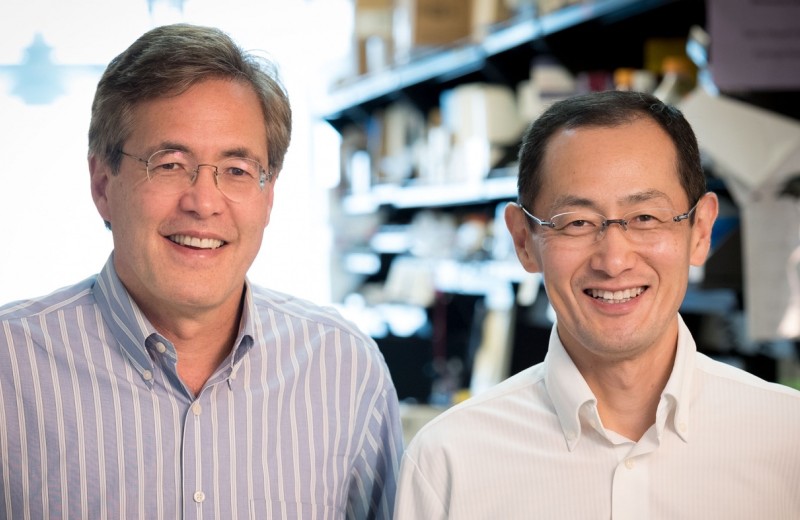
Ding Lab Stem Cells/iPSCsTen years ago, Shinya Yamanaka revolutionized biological research with his discovery of how to turn ordinary skin cells into stem cells with just four key genes.
Yamanaka Lab Stem Cells/iPSCsTodd McDevitt has rapidly enchanced how Gladstone thinks about bioengineering and stem cell biology.
McDevitt Lab Stem Cells/iPSCsKey proteins involved in gene expression depend on each other when forming a heart in an embryo. But, if left alone, they start to run amok.
Stem Cells/iPSCs Congenital Heart DiseaseScientists at the Gladstone Institutes have successfully converted human skin cells into fully-functional pancreatic cells.
Diabetes Ding Lab Stem Cells/iPSCsWith support from the Wilsey Family, Gladstone is studying a rare genetic condition that could provide clues to curing a whole host of diseases.
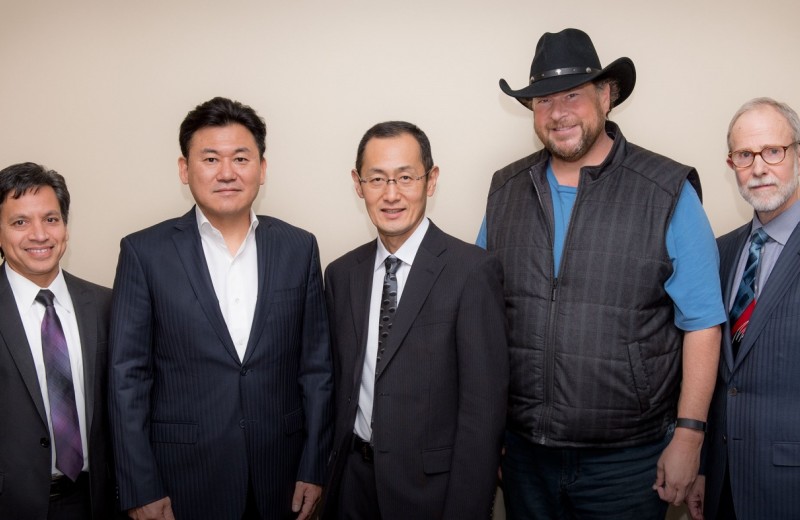
Philanthropy Stem Cells/iPSCs Rare DiseasesThe regenerative medicine program at the Gladstone Institutes has attracted the attention of two global business leaders known for their innovative approach to philanthropy.
Yamanaka Lab Philanthropy Stem Cells/iPSCs