Gladstone NOW: The Campaign Join Us on the Journey✕




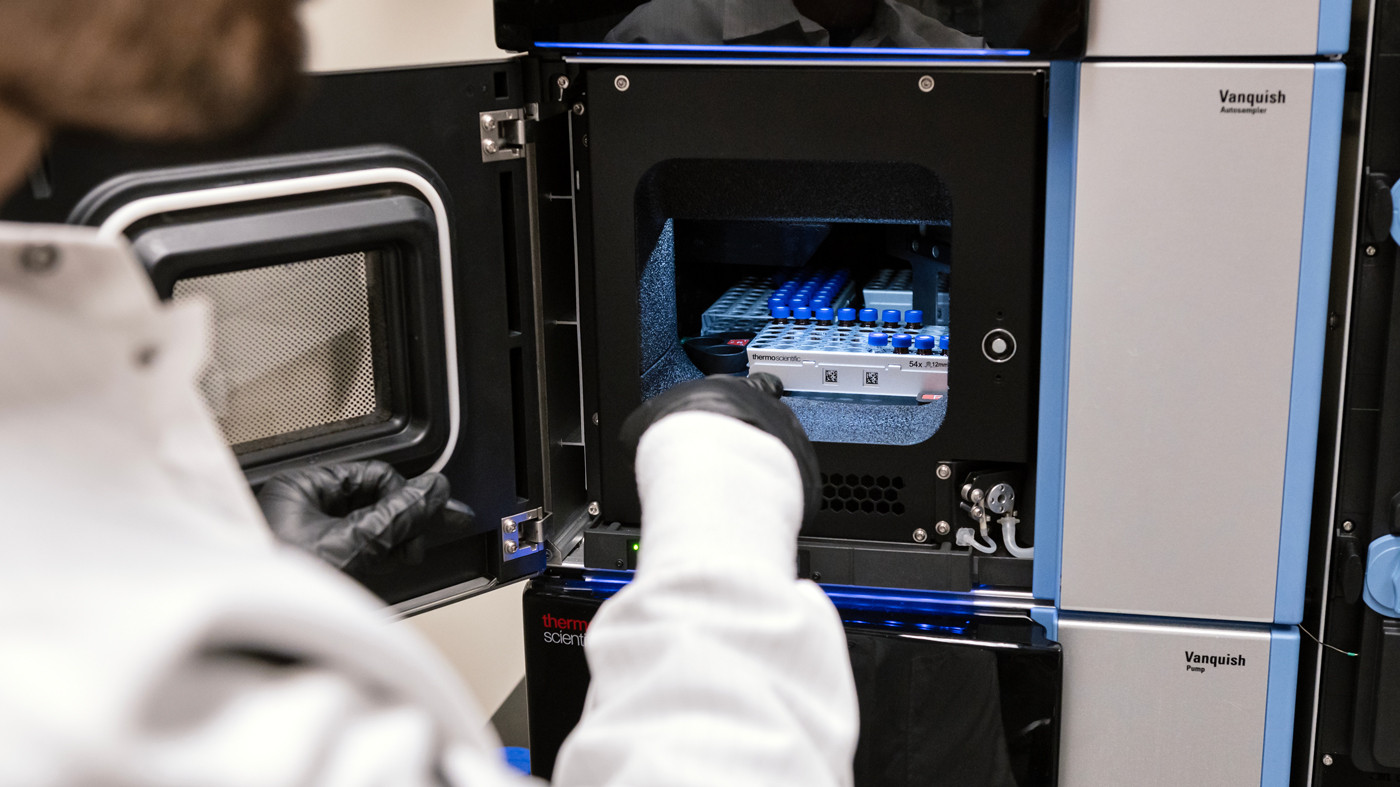
Gladstone scientists developed a new framework that matches vitamins with genetic diseases and helped uncover that high-dose vitamin B3 can dramatically extend survival in mice with NAXD deficiency.
Listen to this article
Scientists at Gladstone Institutes have flipped the traditional approach to finding potential treatments for deadly diseases. Instead of starting with a disease and hunting for a cure, they began with vitamins and systematically identified genetic diseases that could benefit from high-dose supplements.
Using this framework, the team discovered that vitamin B3 supplementation, when tested in mice, can successfully treat a devastating genetic disease known as NAXD deficiency. Children with this disease typically die within their first few months of life. But in a new mouse model of the condition, vitamin B3 therapy extended lifespan more than 40-fold and eliminated symptoms of the disease.
The study also identified dozens of other genetic conditions that may respond to vitamin B2 or B3 therapy, potentially opening new treatment avenues for rare diseases using safe, inexpensive treatments.

Jain (center) and her team developed an approach to systematically identify diseases that could be treated with individual vitamins.
“Our goal is to revisit classical vitamin biology with causal and rigorous frameworks,” says Gladstone Investigator Isha Jain, PhD, senior author of the new study published in Cell. “Rather than randomly supplementing vitamins, we’re using modern genetics to systematically identify which diseases can be treated with which vitamin.”
Reviving Vitamin Research
In the early 1900s, scientists discovered that diseases like scurvy and beriberi could be cured by specific vitamins, work that earned multiple Nobel Prizes. In more recent years, however, cheap and easily available supplements have led to indiscriminate use, with people often taking vitamins without specific health evidence.
Jain, who is also a core investigator at Arc Institute and an associate professor at UC San Francisco, believes there’s vast untapped potential for new targeted vitamin therapies. In October, she won a prestigious NIH Transformative Research Award to fuel her work reviving the field of vitamin biology with modern science.
Her lab has developed an approach to systematically identify diseases that could be treated with individual vitamins. The researchers removed specific genes from human cells using CRISPR gene editing technology, and then tested whether cells survived better when exposed to high levels of vitamins.
“Each cell represented a different genetic condition that can affect humans,” says Skyler Blume, a research associate in Jain’s lab and co-first author of the new paper. “We asked: if we have a vitamin as a potential therapy, which of these genetic conditions could it treat?”
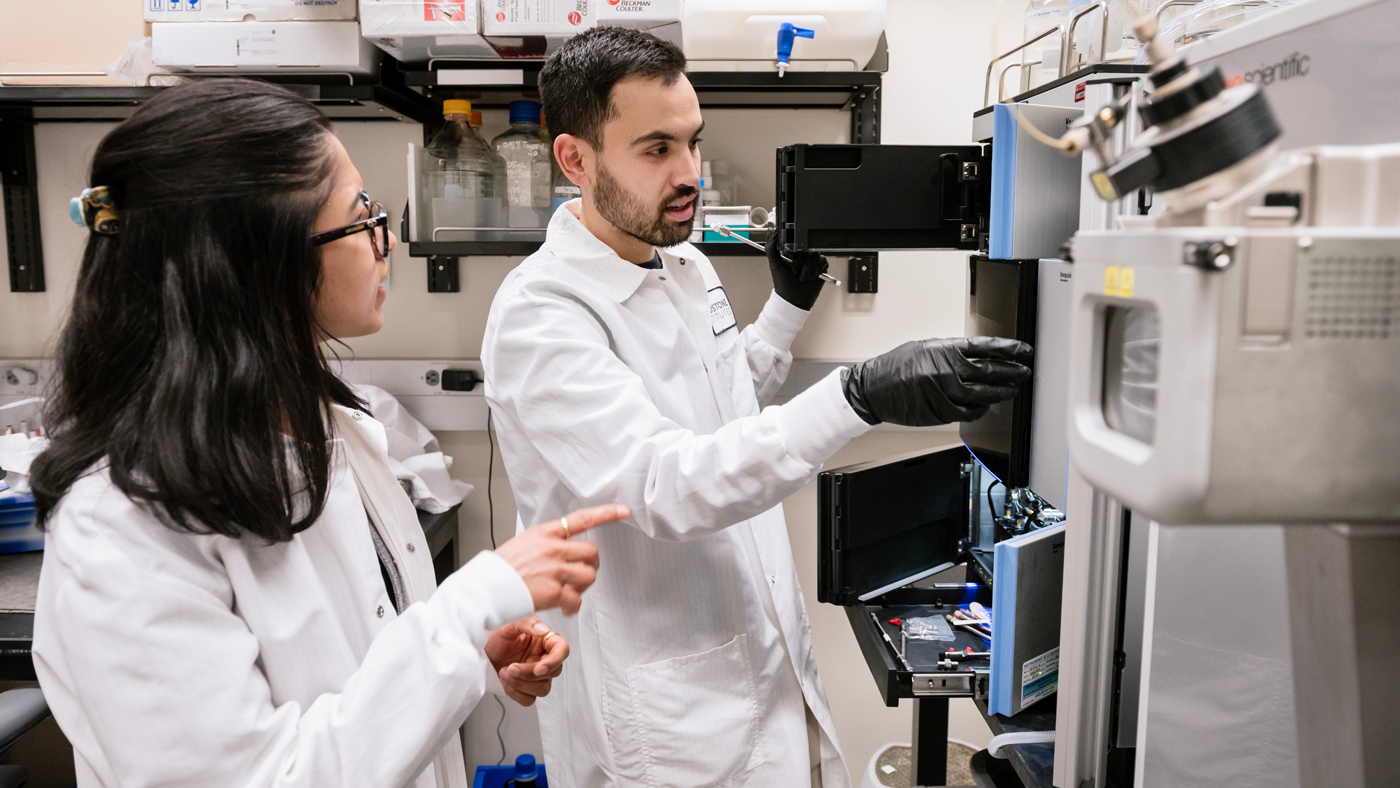
Garg (left), Blume (right), and their colleagues discovered that vitamin B3 therapy reversed symptoms of a devastating genetic disease called NAXD deficiency in mouse models, offering hope for children with this condition.
When they carried out the screen using vitamin B3, they discovered that cells lacking NAXD survived far better in the high-vitamin conditions. In children, mutations in the NAXD gene lead to severe developmental delays and death.
“Our screen suggested that something as simple as giving vitamin B3 could make a difference for human patients,” says co-first author Ankur Garg, PhD, a postdoctoral fellow in Jain’s lab.
There was existing evidence, particularly in yeast, that healthy NAXD repairs damaged versions of NADH, an energy-carrying molecule that cells use as fuel. When NAXD is mutated and not functioning, damaged NADH builds up in the brain, while depleting the active version. This causes a cascade of problems.
A Potential Path for Treating NAXD
To test whether vitamin B3 would make a difference in NAXD deficiency across the body—not just in isolated cells—the team generated the first mouse model of NAXD disease. The animals looked normal at birth, but rapidly deteriorated and died within days. The researchers showed that the damaged form of NADH had accumulated throughout their bodies and that the brain and skin were also highly deprived of the normal, active form of NADH, as well as another vital molecule known as serine.
“We could potentially identify vitamin therapies for hundreds of genetic diseases.”
When Jain’s group gave the mice daily injections of high-dose vitamin B3 starting immediately after birth, the results were striking.
“The treated mice were indistinguishable from their healthy littermates,” Blume says.
While untreated mice died around five days old, the treated mice were still alive at 300 days—at which point the experiment was halted. Brain inflammation disappeared, and NADH and serine levels normalized.
The findings offer hope for children with NAXD deficiency, the team says. Several case reports have described patients who improved after receiving supplements, but the evidence had been only anecdotal. The new study provides experimental evidence that vitamin B3 therapy can address the root cause of the disease. And the fact that treatment must begin at birth underscores the importance of early diagnosis.
“This tells us that NAXD should be added to newborn screening panels,” Jain says. “If we can diagnose children immediately after birth and start therapy, we may be able to save lives.”
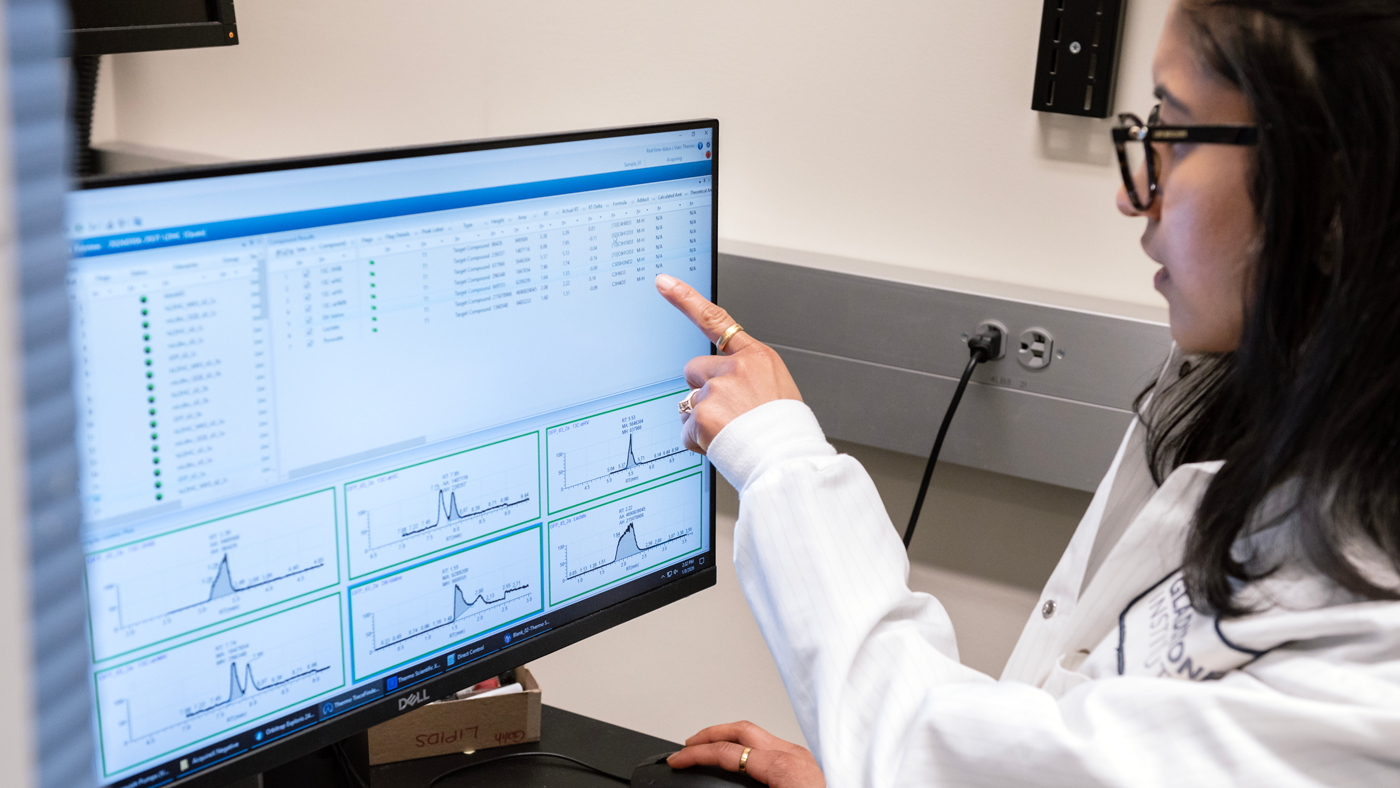
The scientists—including Garg, seen here—developed a scalable framework that could help identify therapies using vitamins and other micronutrients to treat many other genetic diseases.
Beyond NAXD, the framework developed in Jain’s lab identified dozens of other disease genes potentially responsive to vitamin therapy. She and her team plan to screen other vitamins for their potential to treat genetic diseases, as well as follow up on other cell types that showed improved growth in high-vitamin-B conditions.
“This framework is completely scalable,” Jain says. “We could potentially identify vitamin therapies for hundreds of genetic diseases. We hope other labs will also apply this framework to other micronutrients, beyond vitamins.”
For Media
Julie Langelier
Associate Director, Communications
415.734.5000
Email
About the Study
The paper, “Vitamin B2 and B3 Nutrigenomics Reveals a Therapy for NAXD Disease,” was published in the journal Cell on February 25, 2026. The authors are Ankur Gard, Skyler Blume, Helen Huynh, Alec M. Barrios, Onurkan O. Karabulut, Ayush M. Midha, Adam Turner, B. Vittorio Resnick, Xuewen Chen, Ayushi Agrawal, Mina Negahban, Sophia C. K. Nelson, Andrew C. Yang, Michela Traglia, Reuben Thomas, Ryan Corces, and Isha Jain of Gladstone Institutes; Qian Zhao and Hening Lin of Cornell University and The University of Chicago; Jaeyeon Kim and Mercedes Paredes of UC San Francisco; Liuji Chen and Qitao Ran of University of Texas Health Science Center; and Alison M. Ryan, Reece C. Larson, Ramon Sun of University of Florida.
The work was supported by a gift from Renee and David Wentz, the National Institutes of Health (DP5OD026398, C06 RR018928), the Searle Scholars Program, Arc Institute, and the American Heart Association.
About Gladstone Institutes
Gladstone Institutes is an independent, nonprofit life science research organization that uses visionary science and technology to overcome disease. Established in 1979, it is located in the epicenter of biomedical and technological innovation, in the Mission Bay neighborhood of San Francisco. Gladstone has created a research model that disrupts how science is done, funds big ideas, and attracts the brightest minds.
Featured Experts

Gladstone NOW: The Campaign
Join Us On The Journey
How a Single Viral Protein Hijacks Immune Cells to Supercharge COVID-19 Infection
Article
September 18, 2026
How a Single Viral Protein Hijacks Immune Cells to Supercharge COVID-19 Infection
A new discovery reveals how a SARS-CoV-2 protein reprograms immune cells to accelerate viral spread—and points to a new strategy for therapeutic intervention.
News Release Ott Lab COVID-19 Infectious DiseaseThe 2026 Ogawa-Yamanaka Stem Cell Prize Awarded to Jun Takahashi

Article
September 14, 2026
The 2026 Ogawa-Yamanaka Stem Cell Prize Awarded to Jun Takahashi
Takahashi is recognized for his pioneering work translating iPS cell technology into a clinically approved therapy for Parkinson’s disease.
Ogawa Stem Cell Prize Stem Cells/iPSCs Regenerative Medicine News Release AwardsScientists Decode Gene Circuits of Human Immunity, Fueling New Era of Disease Research

Article
August 28, 2026
Scientists Decode Gene Circuits of Human Immunity, Fueling New Era of Disease Research
An unprecedented map of 22 million immune cells provides the functional rulebook for virtual biology and next-generation immunotherapies.
Marson Lab Genomic Immunology Cancer Autoimmune Diseases News Release