Gladstone NOW: The Campaign Join Us on the Journey✕




Scientists at Gladstone Institutes figured out why some people naturally control HIV even after stopping therapy—and how we can leverage that to treat others.
People living with HIV need to follow a daily regimen of medications (known as antiretroviral therapy) for the rest of their lives. If they stop, the virus usually rushes back within weeks. But a few rare individuals keep the virus under control for months, or even years, after stopping antiretroviral therapy.
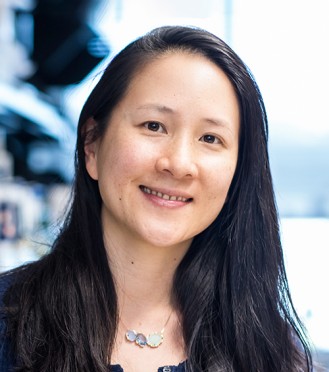
Nadia Roan and her team set out to understand why this happens by examining blood samples from people with HIV who participated in clinical trials, during which they deliberately stopped therapy.
In this video, Nadia Roan and Ashley George explain how they uncovered a new path toward long-term health without the need for daily HIV pills.
Their new study, published in Immunity, shows that metformin, a common diabetes drug, might be able to delay—or even prevent—HIV rebound. The scientists are now working to advance their findings into clinical trials that test whether metformin can help suppress HIV.
Featured Experts
CSV file successfully filtered and rewritten.CSV file successfully filtered and rewritten.
Gladstone NOW: The Campaign
Join Us On The Journey
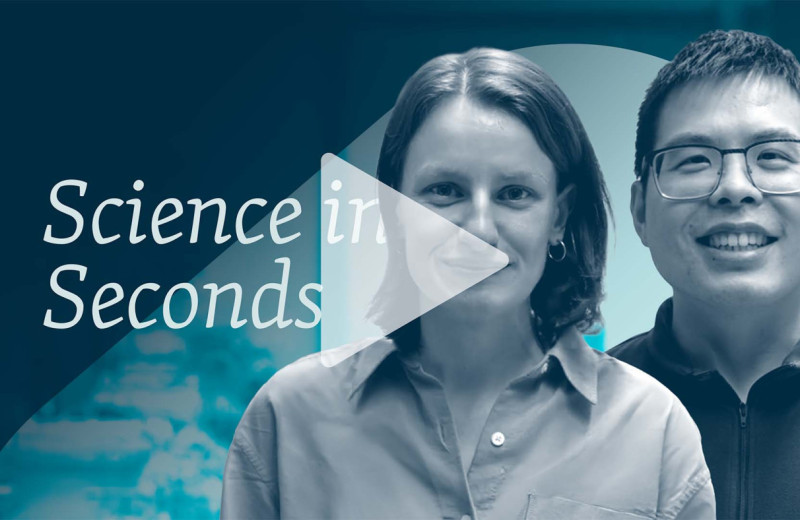
Science in Seconds | An Unprecedented Map of Human Immune Cells
Video
August 28, 2026
Science in Seconds | An Unprecedented Map of Human Immune Cells
In this video, Gladstone scientists Emma Dann and Ronghui Zhu explain how their new study offers a powerful framework for designing cancer immunotherapies and treating autoimmune conditions.
Turning the Tide on Tau: Q&A With Gladstone’s Lennart Mucke
Article
July 1, 2026
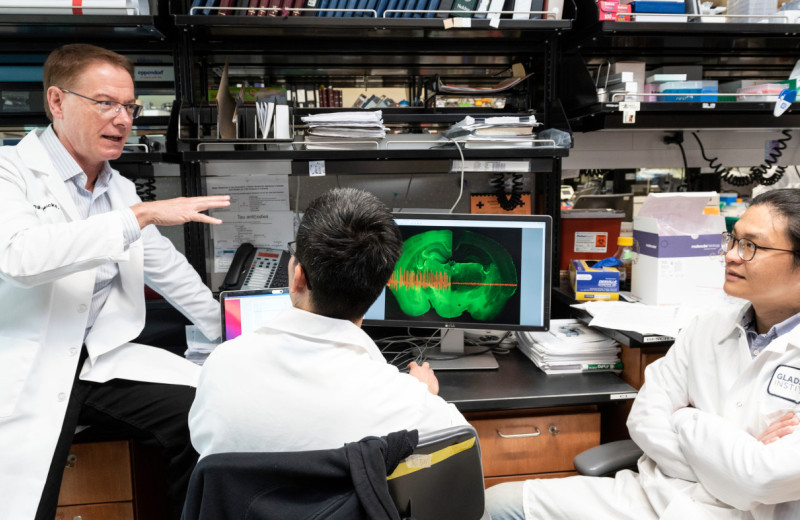
Turning the Tide on Tau: Q&A With Gladstone’s Lennart Mucke
Nearly 20 years after his landmark study uncovered novel roles of tau in Alzheimer’s disease, Gladstone's Lennart Mucke shares his perspective on new clinical data that could transform the future of brain health.
Mucke Lab Alzheimer’s Disease Gladstone Experts Neurological Disease News ReleaseThis Is AI Decoding the Genetic Cause of Disease
Video
March 23, 2026
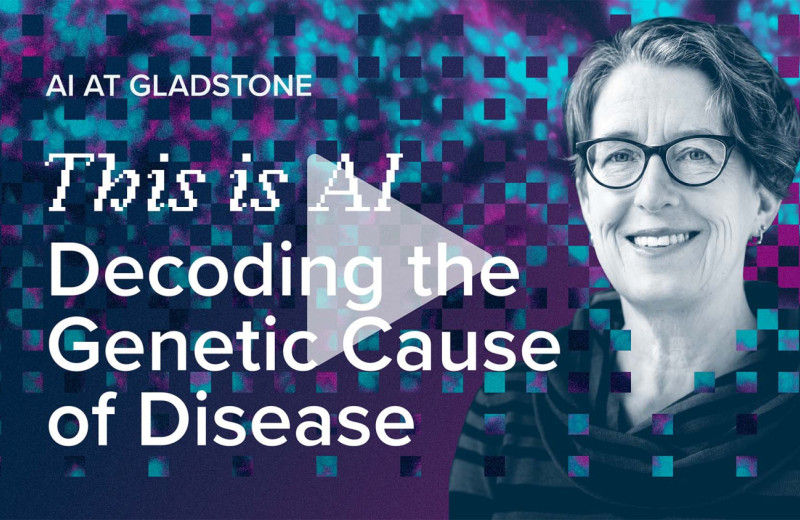
This Is AI Decoding the Genetic Cause of Disease
In this video, Katie Pollard and Deepak Srivastava explain how Gladstone scientists are combining AI models with novel tools in the lab to finally decode the entire human genome.
Gladstone Experts Pollard Lab Srivastava Lab AI