Milestones in the COVID-19 Pandemic
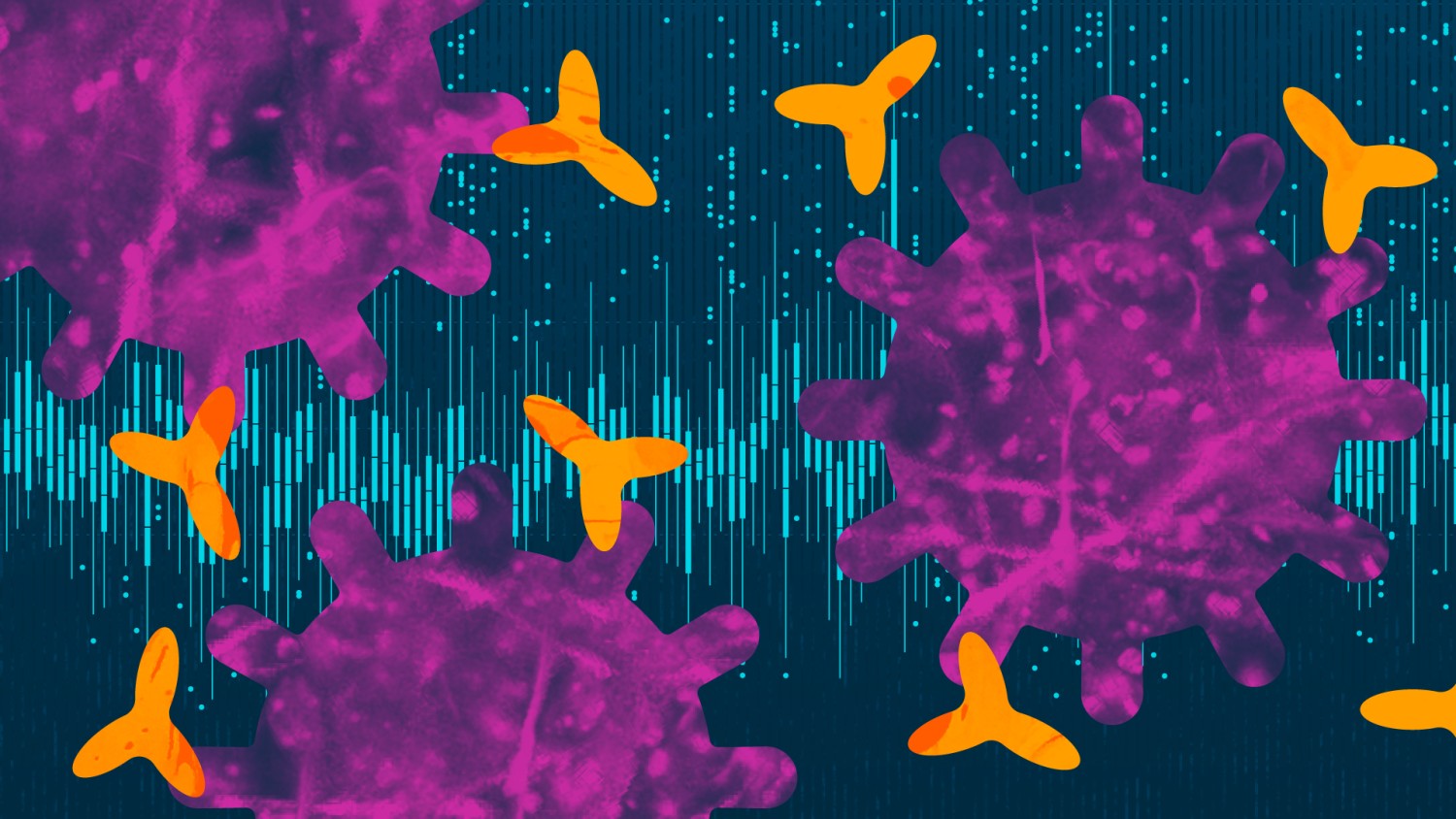
Two years ago, on March 19, 2020, California issued a statewide stay-at-home order to address the rising number of COVID-19 cases. Since then, so much has unfolded over the course of the pandemic—at Gladstone Institutes, in the United States, and around the globe.
As communities grappled with finding strategies to reduce transmission of the SARS-CoV-2 virus, vaccines were developed in record time. In parallel, many Gladstone scientists pivoted the focus of their research to help develop better diagnostics and identify treatment and prevention strategies.
Take a look at some highlights and important milestones from this period.
This article was originally published in March 2022 and was updated in May 2025.
Up Next
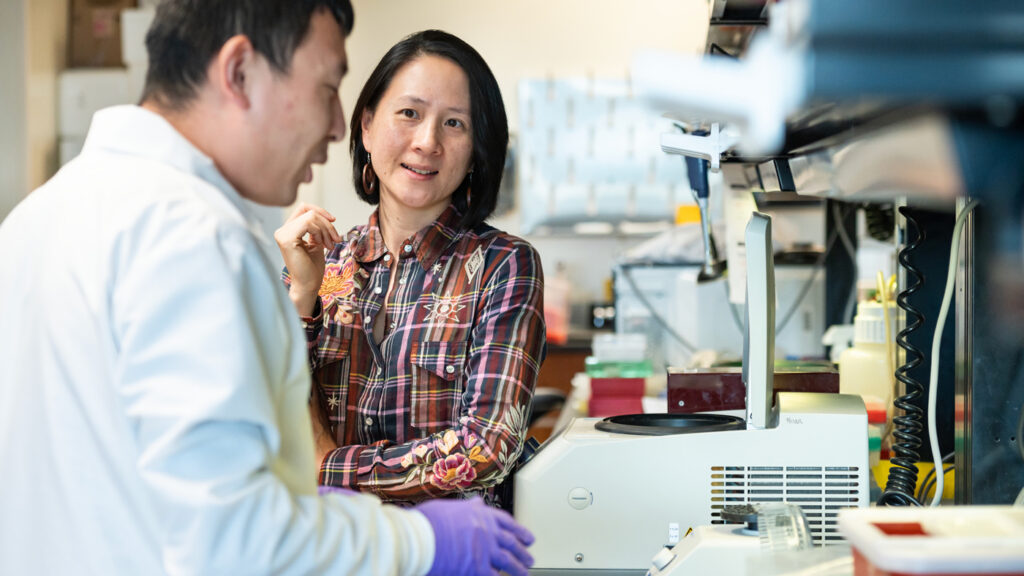
Long COVID and Immune ‘Soldier’ Cells: A Q&A With Gladstone’s Nadia Roan
New research links long COVID to changes in virus-specific immune cells, particularly in women.
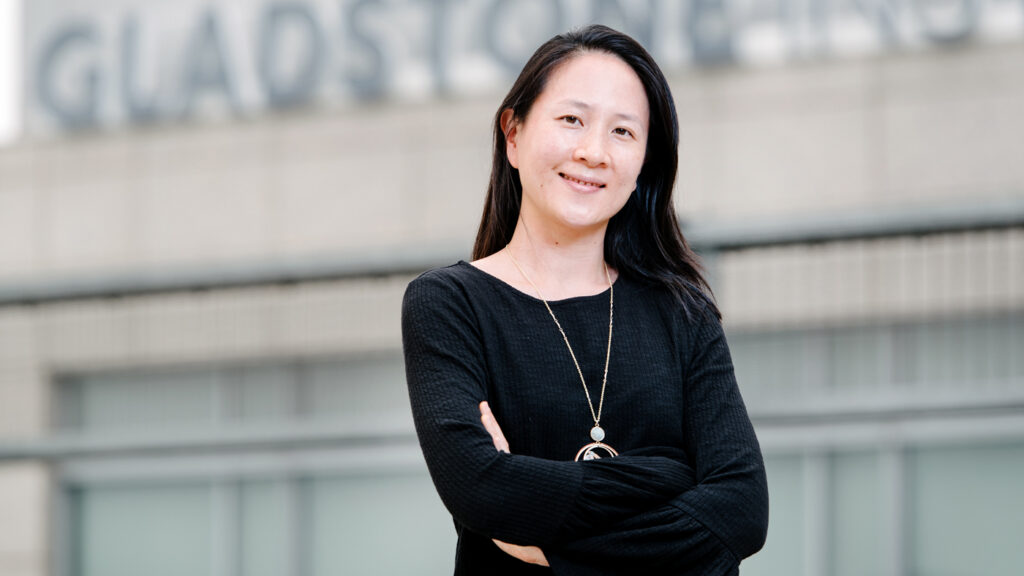
Gladstone Scientist Nadia Roan Elected to American Academy of Microbiology
Roan has made great strides in understanding how persistent viruses including HIV cause disease and how immunity to viruses shapes human health.
Gladstone’s Scientific Highlights of 2025
From fundamental insights to translational advances, here’s how Gladstone researchers moved science forward in 2025.
Beyond Viruses: Expanding the Fight Against Infectious Diseases
The newly renamed Gladstone Infectious Disease Institute broadens its mission to address global health threats ranging from antibiotic resistance to infections that cause chronic diseases.

Get Involved
Join the Team
Our people are our most important asset. We offer a wide array of career opportunities both in our administrative offices and in our labs.
Open PositionsPartner With Us
Discoveries don’t stay in our labs. Gladstone facilitates spinout companies to advance promising therapies, shortening the path between scientific discovery and helping real patients.
Learn MoreGive
Your gift to Gladstone will allow our researchers to pursue high-quality science, focus on disease, and train the next generation of scientific thought leaders.
Donate Now