Gladstone NOW: The Campaign Join Us on the Journey✕




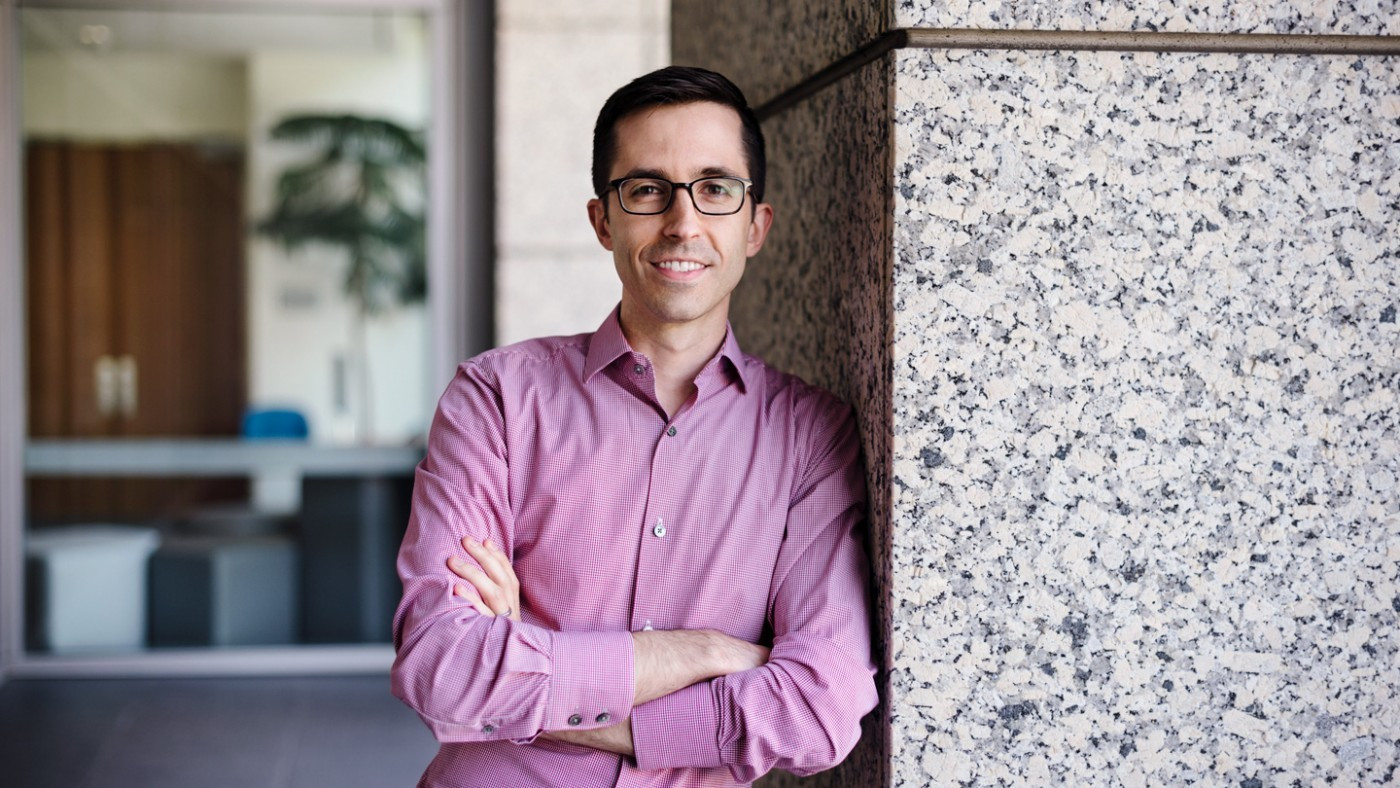
Corces leverages artificial intelligence and CRISPR to untangle the complex dynamics of “nature and nurture,” with the goal of understanding why some individuals develop neurodegenerative disease while others do not.
Gladstone Institutes investigator Ryan Corces, PhD, has been named a 2026 winner of the Pershing Square Foundation’s MIND Prize, a prestigious award recognizing next-frontier thinkers who are uncovering a deeper understanding of the brain and cognition.
The prize, issued annually to eight scientists, seeks to catalyze high-impact neuroscience research by facilitating collaborations across academic, biomedical industry, philanthropic, and business communities.
The 2026 Prize winners each receive $750,000 over three years to support breakthroughs in research on neurodegenerative diseases, including Alzheimer’s disease and other aging-related dementias, which affect millions of people worldwide.
“Thanks to advanced technologies and human creativity, Alzheimer’s disease and her siblings are finally being considered remediable disorders of the human condition,” says Pershing Square Foundation Trustee Neri Oxman, PhD, in announcing this year’s award winners. “This year’s cohort reflects the promise of technological and biological research serendipity, tying molecular structures with behavioral patterns and genetic predispositions with the power of AI (artificial intelligence).”
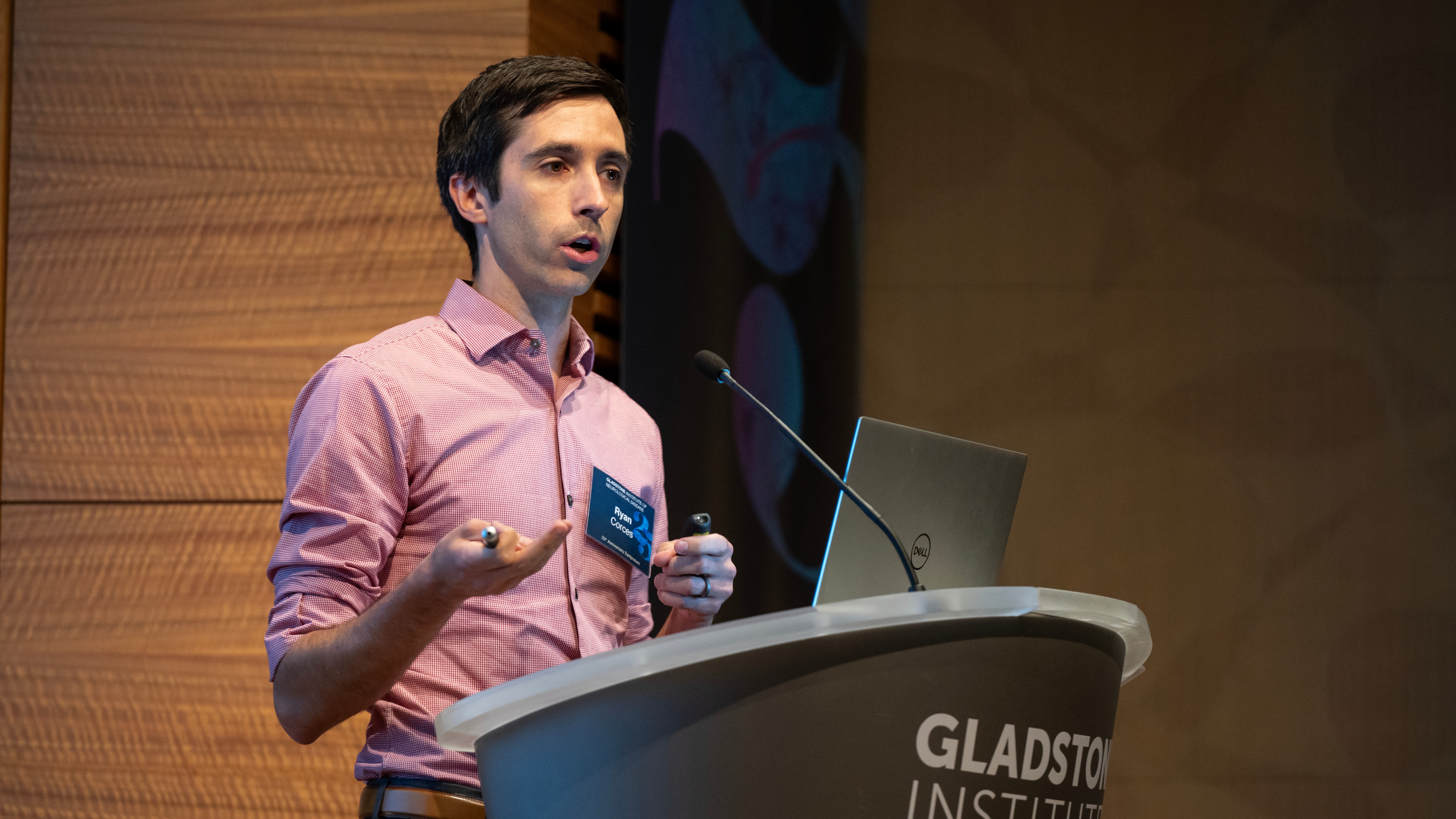
With support from the MIND Prize, Corces will identify and test novel genetic variants that may be present in families with a strong history of Alzheimer's.
Revealing Genetic Drivers
Corces, who joined the Gladstone Institute of Neurological Disease in 2000, studies how genetic and environmental factors can impact the risk of developing neurodegenerative diseases. With funding from the MIND Prize, he will investigate why many families in which multiple members have Alzheimer’s disease do not have gene variants, also known as mutations, known to cause this condition.
“Many of us experience Alzheimer’s in our families; we see our grandparents and then our parents develop Alzheimer’s and fear that we’ll follow in their footsteps,” Corces says. “But most of those families do not have a known genetic variant that causes their disease, which limits our ability to prevent and treat it.”
His project will use artificial intelligence and CRISPR tools to identify and test novel genetic variants that may be present in these families, with the goal of uncovering new drivers and therapeutic targets for Alzheimer’s disease.
“If we could pinpoint exactly which genetic variants are driving Alzheimer’s, we could better understand who’s likely to develop the disease and what’s causing it so we could intervene before irreversible neurodegeneration,” Corces says. “The MIND Prize will help accelerate this research and bring clarity to more people who have a strong family history of Alzheimer’s but no known genetic cause.”
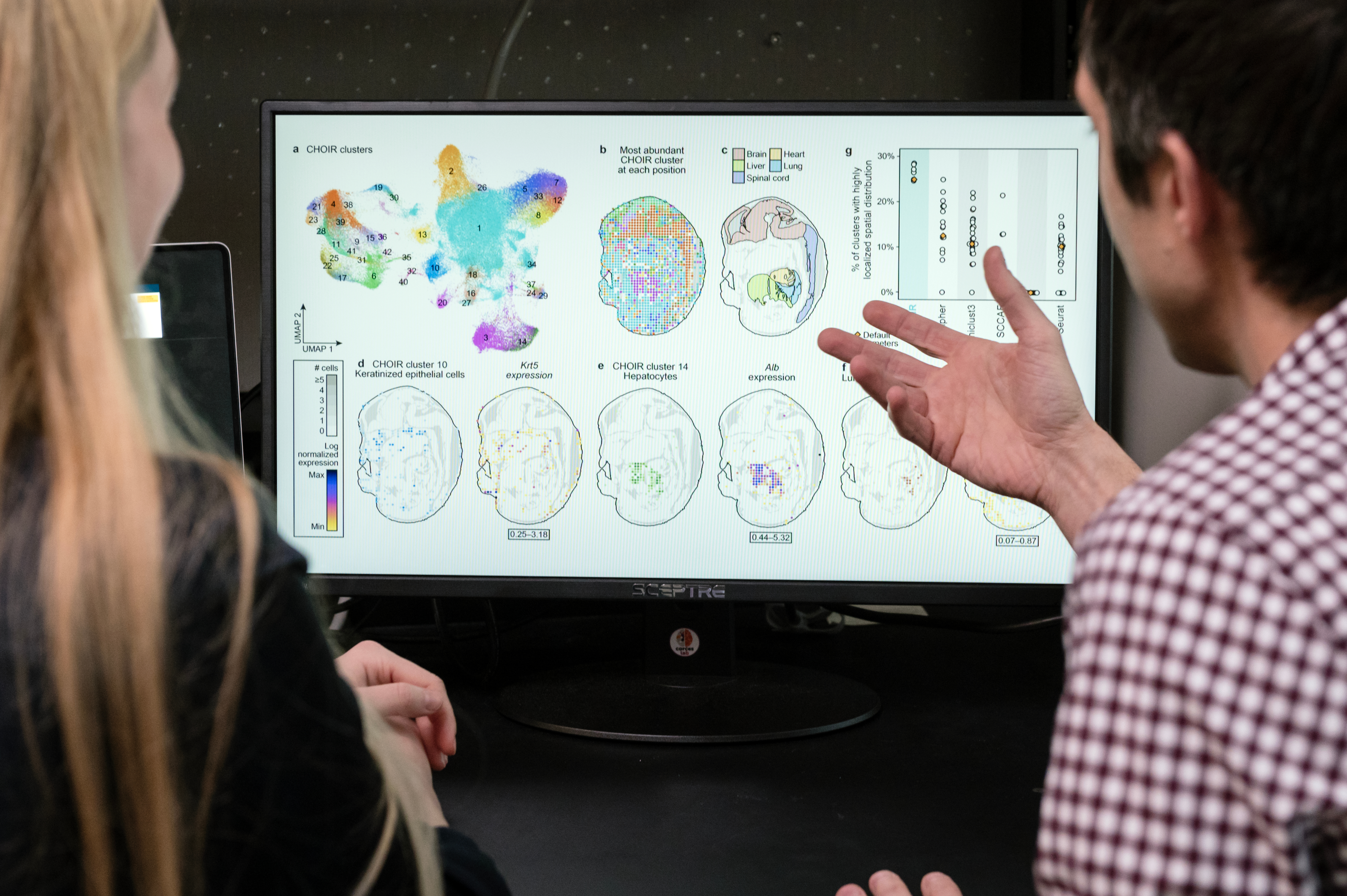
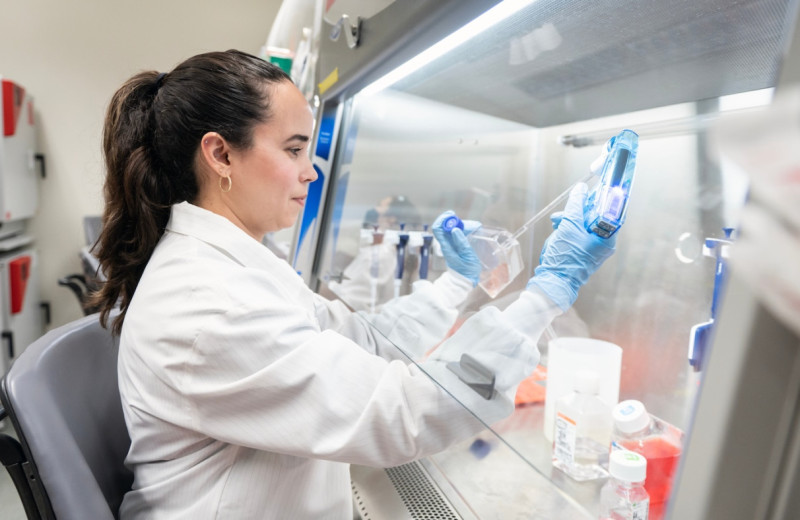
Using artificial intelligence and other tools, Corces seeks to bring greater clarity to an incredibly complex and increasingly common neurological disease.
A Growing Global Threat
Alzheimer’s is the most common degenerative brain disease and the most common cause of dementia. As people live longer, it is becoming more widespread; the number of Americans living with Alzheimer’s is expected to reach nearly 13 million by 2050. The socioeconomic cost enormous, and the disease is devastating to patients and their families.
“Alzheimer’s is notoriously complex, requiring fresh perspectives and innovative approaches to uncover its hidden drivers,” says Lennart Mucke, MD, director of the Gladstone Institute of Neurological Disease. “By leveraging artificial intelligence and CRISPR, Ryan’s important research has the potential to transform our understanding of this incredibly challenging condition.”
The Pershing Square Foundation is a family foundation established in 2006 to support exceptional leaders and innovative organizations that tackle important issues and deliver scalable and sustainable global impact. The foundation has committed more than $930 million in grants and social investments in target areas including health and medicine, education, economic development, environment, and innovation. Bill Ackman and Neri Oxman are co-trustees of the Foundation.
For Media
Kelly Quigley
Director, Science Communications and Media Relations
415.734.2690
Email
About Gladstone Institutes
Gladstone Institutes is an independent, nonprofit life science research organization that uses visionary science and technology to overcome disease. Established in 1979, it is located in the epicenter of biomedical and technological innovation, in the Mission Bay neighborhood of San Francisco. Gladstone has created a research model that disrupts how science is done, funds big ideas, and attracts the brightest minds.
Featured Experts

American Heart Association Honors Benoit Bruneau with 2026 Distinguished Scientist Award
Article
July 30, 2026
American Heart Association Honors Benoit Bruneau with 2026 Distinguished Scientist Award
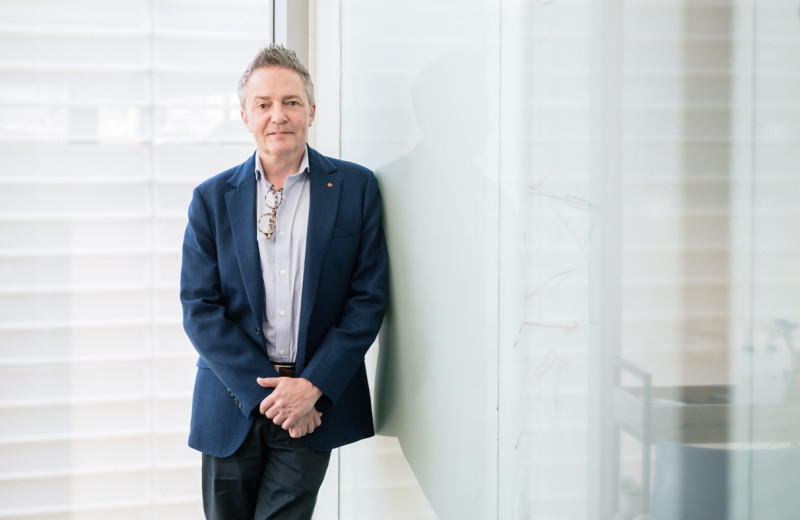
Bruneau, director of the Gladstone Institute of Cardiovascular Disease, will receive the association’s highest scientific honor in November.
News Release Congenital Heart Disease Cardiovascular Disease AwardsGladstone Institutes Receives National Recognition for Excellence in Postdoc Programs
Article
July 6, 2026
Gladstone Institutes Receives National Recognition for Excellence in Postdoc Programs
Gladstone is one of only 12 institutions nationwide to receive the award for its postdoctoral programs.
News Release Postdoctoral and Graduate Student Education and Research Development Affairs Graduate Students and Postdocs Postdoc Advisory Committee AwardsChristina Theodoris Honored in Inaugural Cohort of Young American Scientists

Article
June 17, 2026
Christina Theodoris Honored in Inaugural Cohort of Young American Scientists
Scientific American recognizes Theodoris for her pioneering work developing artificial intelligence models to find treatments for an array of diseases.