Gladstone Recognized in Inaugural Cure Innovation Index for Translating Science Into Real-World Health Impact
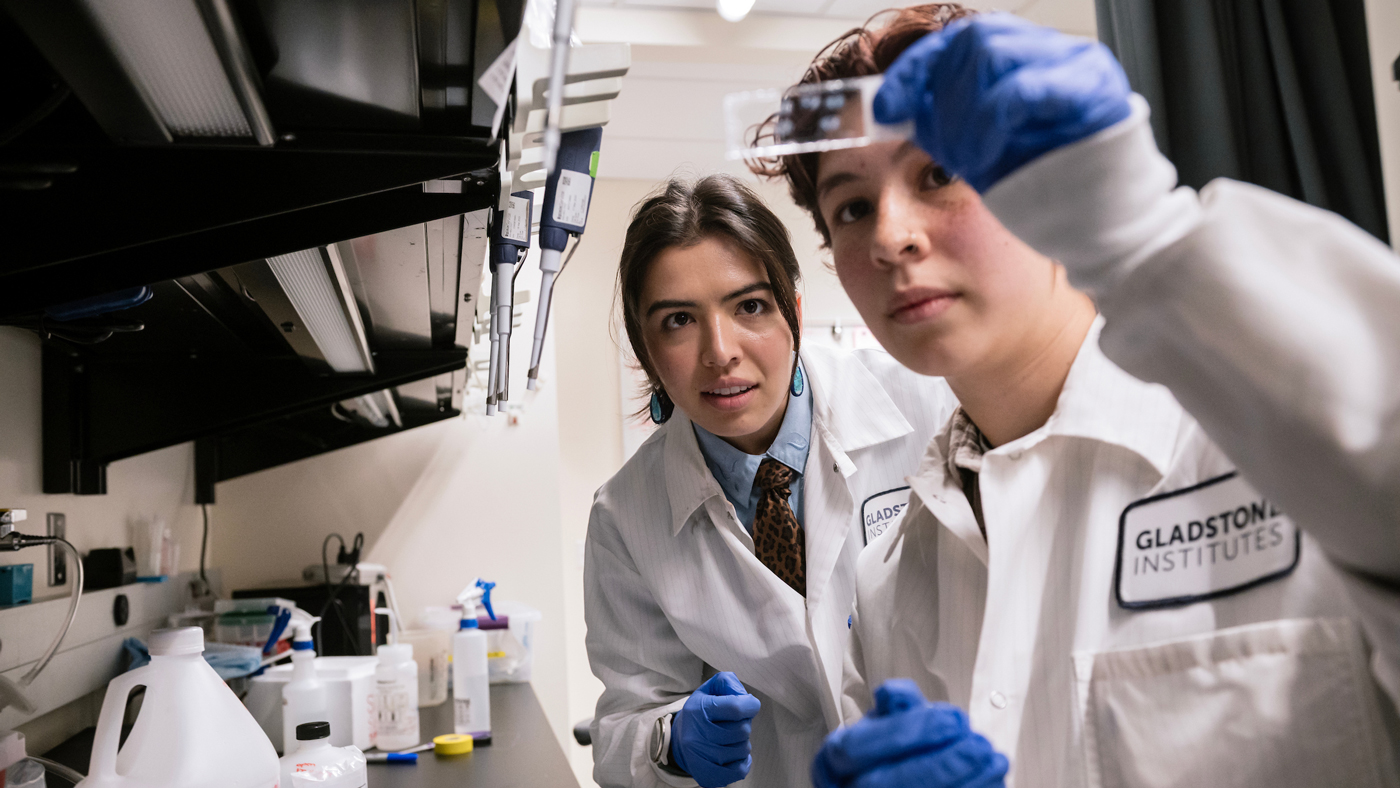
The inaugural Cure Innovation Index has ranked Gladstone Institutes 15th among the top 60 institutes and centers in the United States for its ability to translate scientific discovery into real-world healthcare impact.
The Index also places Gladstone 7th for entrepreneurial readiness and 14th for market translation. (Read Gladstone’s full ranking profile.)
The Cure Innovation Index is the first national, data-driven platform designed to assess how effectively U.S. biomedical research institutions convert discovery into therapies, companies, and measurable health outcomes. The inaugural 2026 index evaluates 303 leading institutions selected from more than 6,000 nationwide.
“Recognition of Gladstone Institutes in the Cure Innovation Index reflects its leadership in translating scientific discovery into real-world impact.”
“Recognition of Gladstone Institutes in the Cure Innovation Index reflects its leadership in translating scientific discovery into real-world impact,” says Seema Kumar, CEO of Cure. “While traditional measures emphasize funding, publications, or patents, the index sets a new standard by evaluating the full set of capabilities required to move innovation from concept to cure.”
The U.S. biomedical research ecosystem—anchored by academic institutions—has long been a global engine of innovation, driving the development of life-saving therapies and generating significant economic impact. Yet institutional performance has historically been measured by inputs and outputs, rather than by the ability to consistently translate discovery into impact.
Driving Translational Performance
The index evaluates institutions across 25 indicators within three core domains: research capabilities, entrepreneurial readiness, and market translation. Together, these dimensions capture the structural, cultural, and operational factors that enable institutions to move breakthroughs beyond the lab and into real-world application.
Gladstone demonstrated strong performance across these domains, reflecting its ability to consistently advance innovations into therapies and spinout companies that measurably benefit patients.
Indeed, since Gladstone’s founding in 1979, its scientists have made numerous translational breakthroughs with global impact, including discovering an anti-clotting drug that revolutionized treatment for acute coronary syndrome, leading a global study that resulted in FDA approval of the HIV pre-exposure prophylaxis (PrEP) drug Truvada, and developing spinoff companies with therapeutic candidates now in clinical trials for Alzheimer’s disease and heart failure.
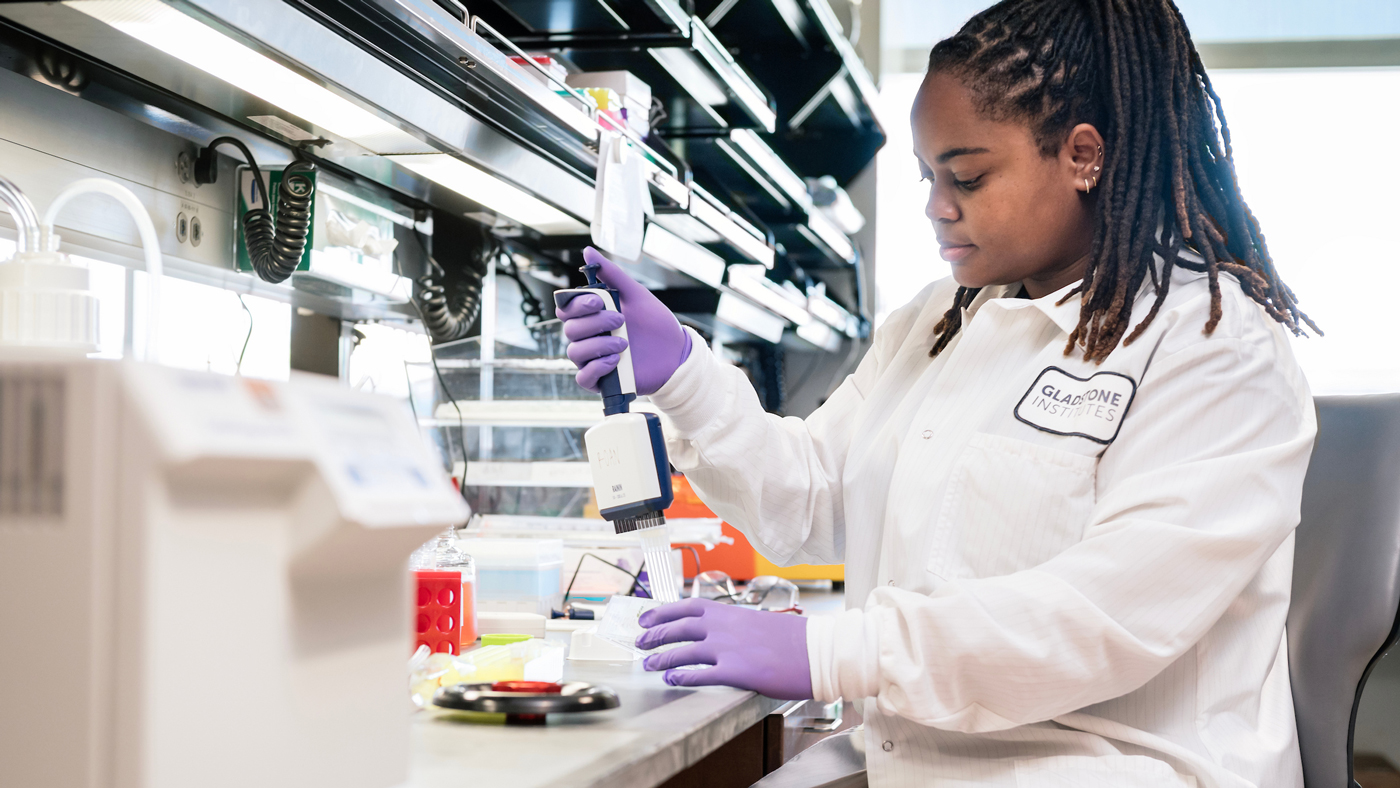
In the past decade alone, the organization has launched a total of 16 companies that leverage Gladstone technology, backed by nearly $1 billion in private and public financing, as it advances its discoveries toward patients.
“Gladstone brings together the world’s leading researchers and physician-scientists to tackle the most daunting challenges in human health, with a clear focus on clinical success,” says Gladstone President Deepak Srivastava, MD. “By combining a deep mechanistic understanding of disease with our strategic position in the Bay Area’s biotech ecosystem, we don’t just make discoveries—we bridge the gap between basic science and the new medicines that transform patient lives.”
California Leads in Biomedical Innovation
Notably, Gladstone ranks third among the 11 institutes and centers in California to make the list, and fifth in the U.S. West. The Golden State, also home to 18 universities on the index, ranks as the top state for biomedical innovation.
The Cure Innovation Index was developed in collaboration with a multidisciplinary group of experts across academia, industry, and government.
The methodology integrates validated data from more than a dozen federal and commercial sources, complemented by proprietary inputs from surveys of more than 3,000 researchers and industry leaders, as well as institutional audits assessing infrastructure, technology transfer capabilities, and translational programs.
Up Next

In Alzheimer’s Disease, the Brain’s Pacemaker Cells Lose Their Beat
Research in mice reveals how critical brain cells misfire in Alzheimer’s and identifies a targeted strategy to restore healthy brain rhythms.
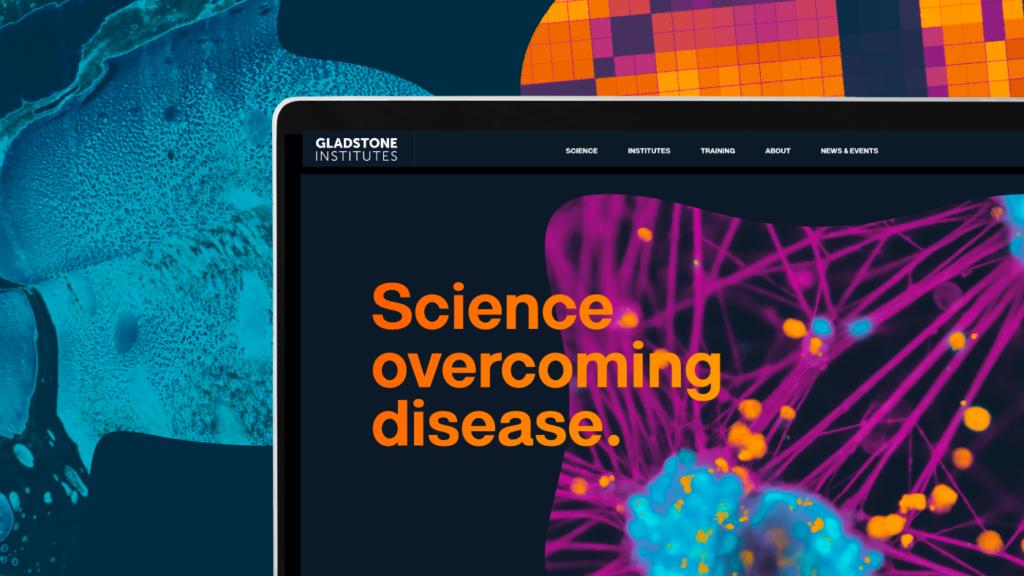
Gladstone Institutes Launches Redesigned Website, Bringing Cutting-Edge Biomedical Research Into Focus
Discover disease research, explore the latest scientific news, and connect with experts through Gladstone’s enriched digital platform.
Newly Discovered Antiviral System in Bacteria Is ‘Strangest of Its Kind’
The complex Rube Goldberg-like molecular machinery could inspire novel technology to study and treat disease.

Gladstone’s Seth Shipman Named Fellow of the California Academy of Sciences
Shipman is recognized for pioneering molecular technologies that record cellular activity, expand genome editing, and target antibiotic-resistant superbugs.

Get Involved
Join the Team
Our people are our most important asset. We offer a wide array of career opportunities both in our administrative offices and in our labs.
Open PositionsPartner With Us
Discoveries don’t stay in our labs. Gladstone facilitates spinout companies to advance promising therapies, shortening the path between scientific discovery and helping real patients.
Learn MoreGive
Your gift to Gladstone will allow our researchers to pursue high-quality science, focus on disease, and train the next generation of scientific thought leaders.
Donate Now