Additional Funding to Develop a Drug for Alzheimer’s Disease
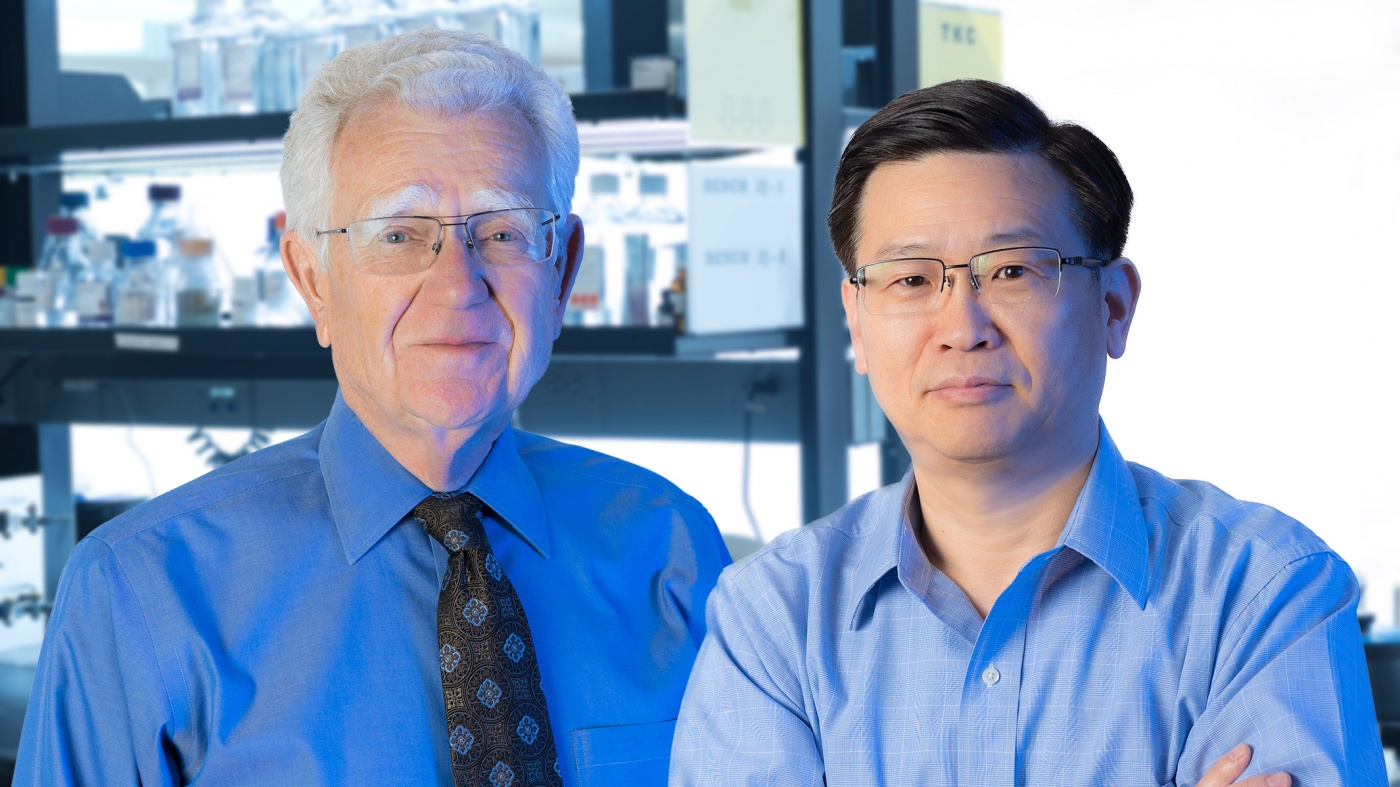
E-Scape Bio announced an extension of its Series A funding to a total of $63 million. Created as a spin-off from research conducted at the Gladstone Institutes, E-Scape Bio is a biopharmaceutical company with a mission to develop new therapies to treat neurodegenerative disorders such as Alzheimer’s disease.
E-Scape Bio obtained an initial investment of $55 million Series A financing from a syndicate of five top-tier venture funds (OrbiMed, Novo Holding A/S, Novartis Venture Fund, Johnson & Johnson Innovation – JJDC, Inc., and Osage University Partners). Its newest investors include Lilly Asia Ventures and Sutter Hill Ventures.
The biopharmaceutical company originated from the groundbreaking work of its scientific co-founders Yadong Huang, MD, PhD, and Robert Mahley, MD, PhD, two Gladstone senior investigators. E-Scape Bio is now developing small-molecule drugs that target the primary genetic cause of Alzheimer’s disease by correcting adverse effects of the apolipoprotein E4 (apoE4) gene.
“Alzheimer’s is a complex disease involving multiple factors,” said Stephen Freedman, PhD, vice president of corporate liaison and ventures at Gladstone. “Our scientists made significant progress by uncovering the important role of apoE4 in neuron loss and cognitive decline. We wanted to translate their findings into therapeutics that could help patients with Alzheimer’s disease, so we developed partnerships with companies that had similar objectives.”
ApoE4 is the key genetic risk factor for Alzheimer’s disease and is present in 60–80% of all Alzheimer’s patients. People who carry the apoE4 gene have a much greater likelihood of acquiring Alzheimer’s, and they develop the disease a decade earlier than other patients. While it is possible to test for apoE4, even if it is found in a patient, there are no effective therapies or drugs that target it.
“Our researchers invented a molecular tool to reduce harmful effects of apoE4 in the brain,” explained Gladstone President R. Sanders Williams, MD, who serves on E-Scape’s Board of Directors. “This company was founded on the strength of decades of basic research at Gladstone, and now we are proud to be associated with an exciting new company that can bring this science to the service of patients who truly need it.”
Targeting apoE4 could delay or avert the onset of Alzheimer’s disease in people who carry the apoE4 gene, and cease or alleviate symptoms in those already suffering from the disease.
“The drug we are developing could help the millions of Americans afflicted by Alzheimer’s disease, and for whom there are currently no effective treatments,” said Leon Chen, PhD, interim CEO of E-Scape Bio. “Backed by human genetics and strong mechanistic underpinnings, this target and project are extremely promising, and we are excited to pursue this endeavor.”
Up Next
Turning the Tide on Tau: Q&A With Gladstone’s Lennart Mucke
Nearly 20 years after his landmark study uncovered novel roles of tau in Alzheimer’s disease, Gladstone's Lennart Mucke shares his perspective on new clinical data that could transform the future of brain health.

How an AI Microscope Is Learning to Do Science
Gladstone scientists have developed a thinking microscope that can conduct its own experiments, with the ultimate goal of treating neurodegenerative diseases.

Gladstone Investigator Andrew Yang Receives 2026 Sobrato Prize in Neuroscience
The prize honors scientists whose breakthroughs in brain research have high potential for patient impact.
Mapping How the Brain Takes Out Its Trash
Gladstone scientists developed a new tool to trace how the brain clears “waste,” uncovering surprising new biology about how it keeps itself healthy.

Get Involved
Join the Team
Our people are our most important asset. We offer a wide array of career opportunities both in our administrative offices and in our labs.
Open PositionsPartner With Us
Discoveries don’t stay in our labs. Gladstone facilitates spinout companies to advance promising therapies, shortening the path between scientific discovery and helping real patients.
Learn MoreGive
Your gift to Gladstone will allow our researchers to pursue high-quality science, focus on disease, and train the next generation of scientific thought leaders.
Donate Now