Six Gladstone Scientists Named Among World’s Most Highly Cited Researchers
Honorees rank among the top 1 percent of researchers globally, reflecting Gladstone’s broad scientific influence.
Together with colleagues in clinical programs, we are investigating the relation between impairments in patients with brain disorders and in rodent models simulating these conditions. These studies aim to promote the development of suitable tests and novel treatment strategies to improve cognition and other neural functions in patients suffering from devastating diseases of the nervous system.
As a part of Gladstone, an independent nonprofit entity, the Behavioral Core offers prices that are lower than market and compare favorably with other service providers in the Bay Area. Recharge rates are based on the cost of services rendered.
For more information, contact Jeff Simms.
Projects are scheduled through iLab. Contact Jeff Simms to register for iLab.
Once a project is submitted, the core management team will schedule the desired assessments.
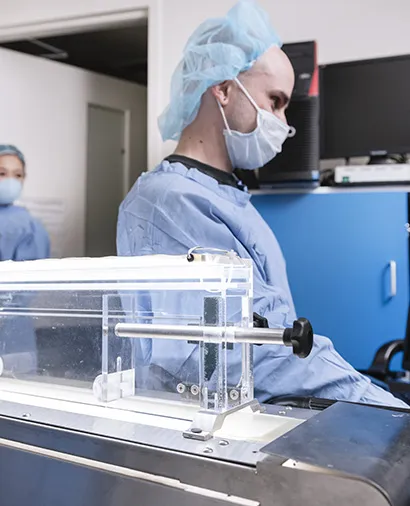
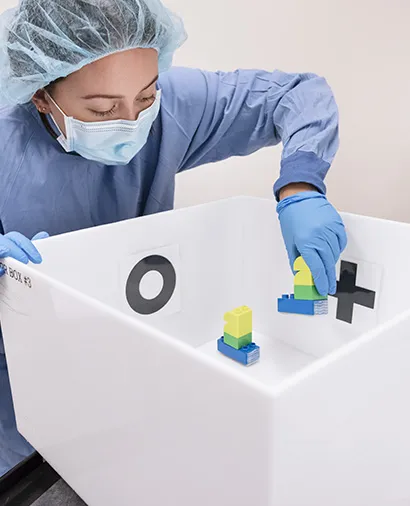
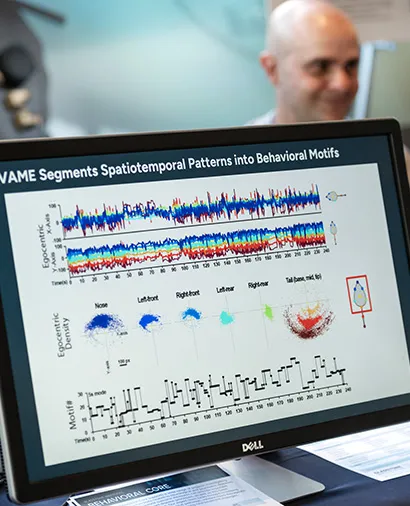
We offer nearly 70 different assessments covering diverse behavioral domains, including sensorimotor functions, emotional and social behaviors, and cognitive functions such as learning and memory.
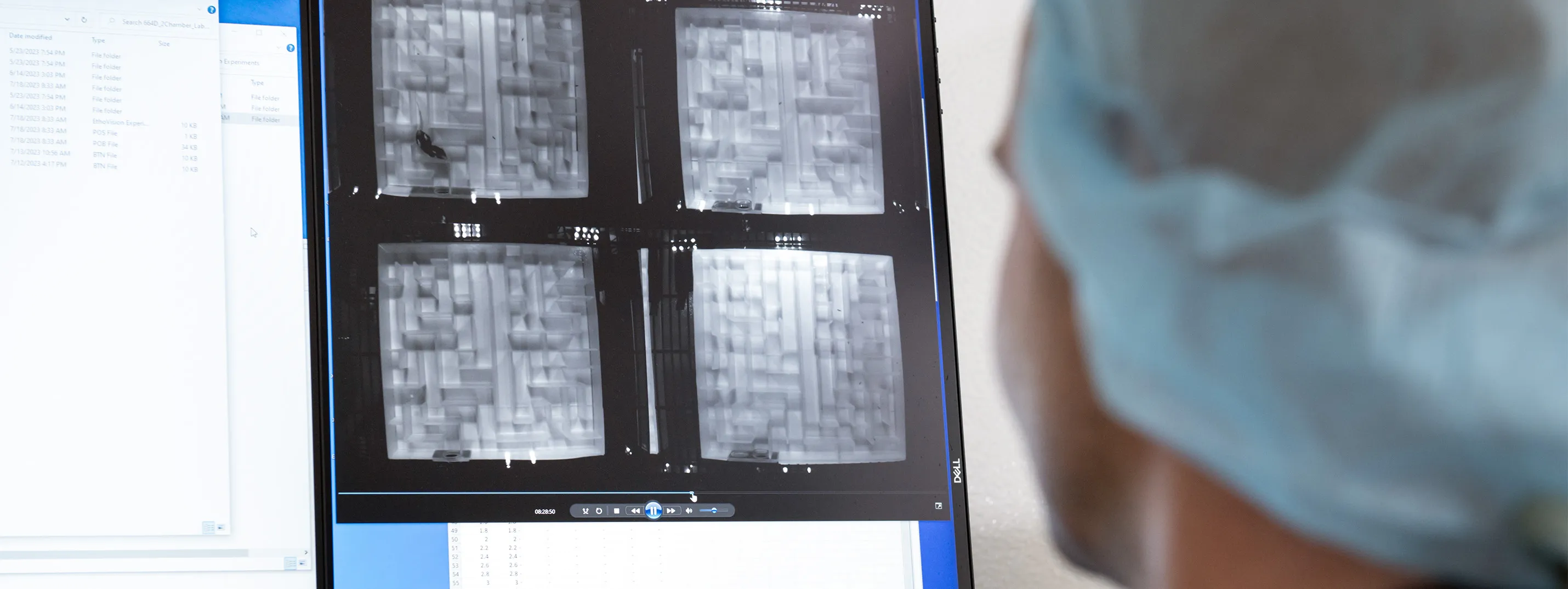
Yes. The earlier we can meet with our users, the better. We find that when we’re involved in the early planning stages, we can help design studies that produce more robust and reproducible outcomes.
Projects can be initiated through iLab. Contact Jeff Simms to register for iLab and receive detailed instruction on project submission.
The core provides a complete service package, including data compilation and analysis. The data package is designed to be ready for publication and we provide support throughout the publication process.
We often work with researchers to adapt existing protocols or create novel paradigms to best answer individual research questions. These are often the most exciting and interesting projects for our team.
Yang, N. V., Wang, S., Li, B., Simms, J., Dinh, L., Huang, A., Oei, J. H., Yassine, H. N., & Krauss, R. M. (2026). Alzheimer’s & Dementia, 22(4).
Li, Y., et al. (2025). Cell, 188(20), 5516–5534.
Liao, S.-C., et al. (2025). Science Advances, 11(46), Article eadu0726.
Liang, Z., Agrawal, A., Bant, J., Traglia, M., Hao, Y., Blumenfeld, J., Shostak, D., Tabuena, D., Rao, A., Yip, O., Kim, M. J., Jiang, X., Leon, S. D., Ellis, C., Wang, K., Lo, I., Zilberter, M., Thomas, R., & Huang, Y. (2025). Alzheimer’s & Dementia, 21(S1).
Leana-Sandoval, G., et al. (2025). Molecular Psychiatry, 1–14.
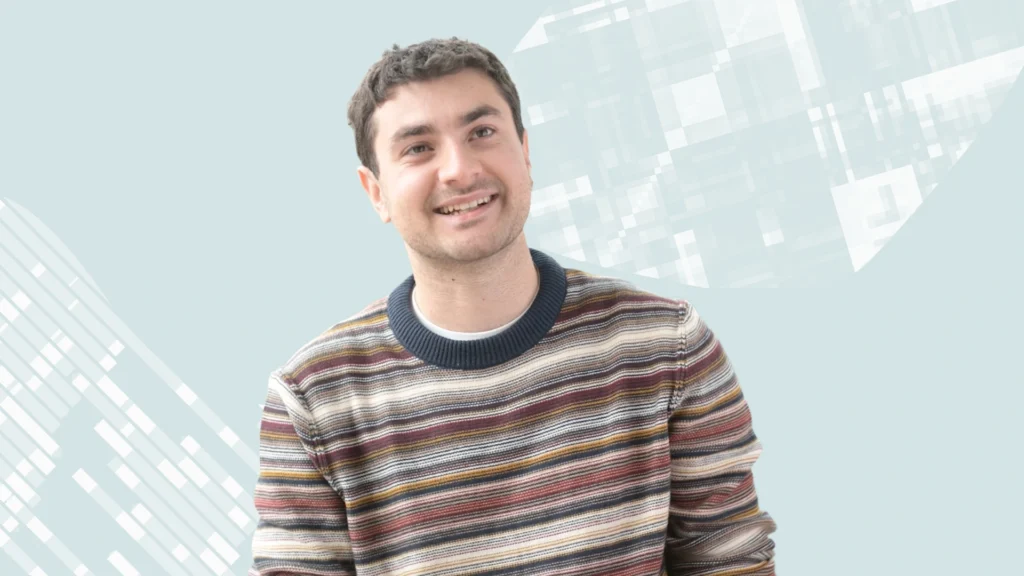
Research associate Sarp Dora Kurtoglu uses AI and gene editing in the Theodoris Lab to search for new ways to stop aortic aneurysms, driven by the patients he hopes his work will one day help.
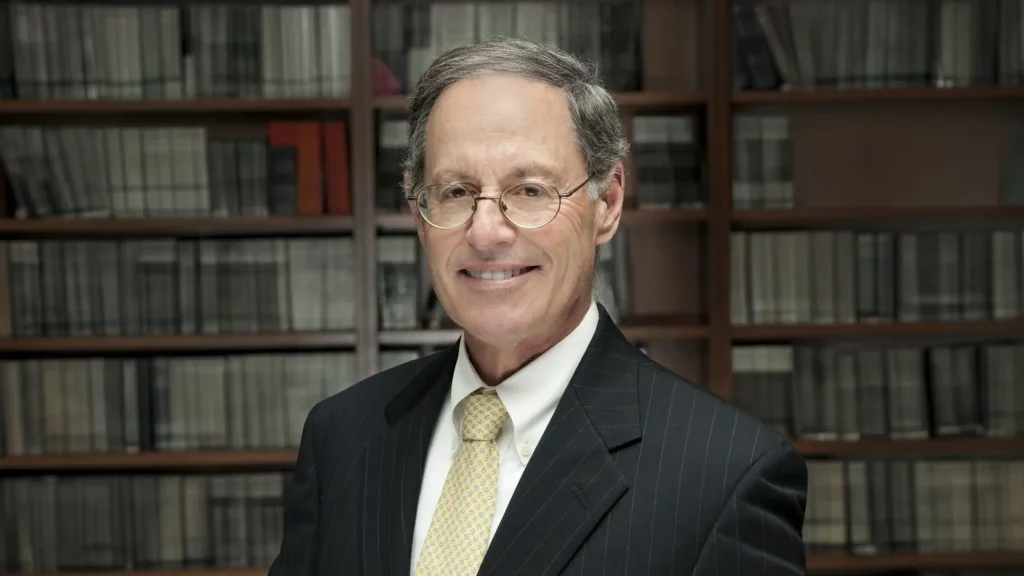
After more than four decades of dedicated legal and governance leadership, including 22 years as a trustee, Garb will transition to emeritus status in 2027.
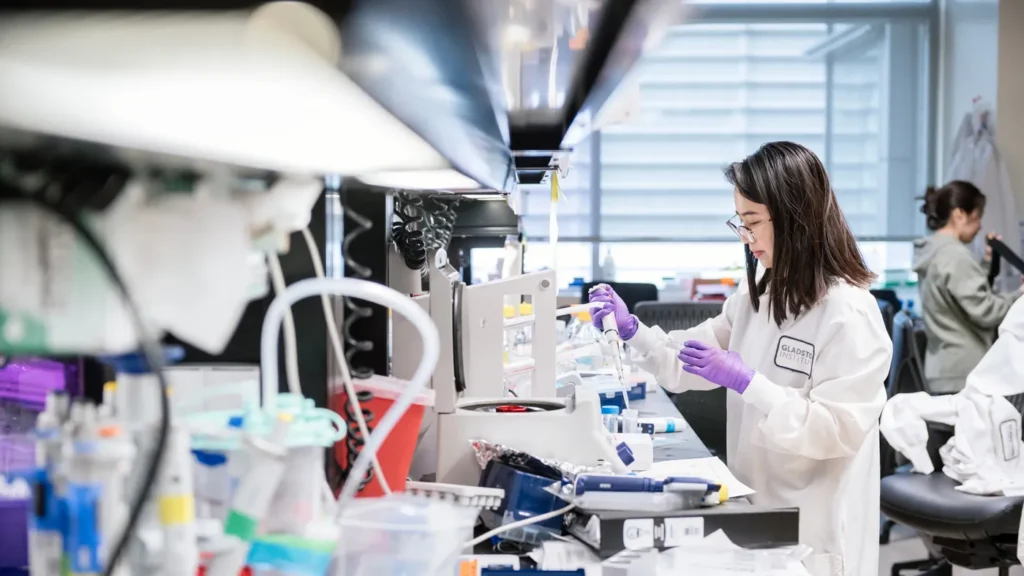
Gladstone scientists discover the dynamic barrier—long defined by what it excludes—imports an unexpected degree of protective proteins into the brain, revealing a new blueprint for treating Alzheimer’s disease.
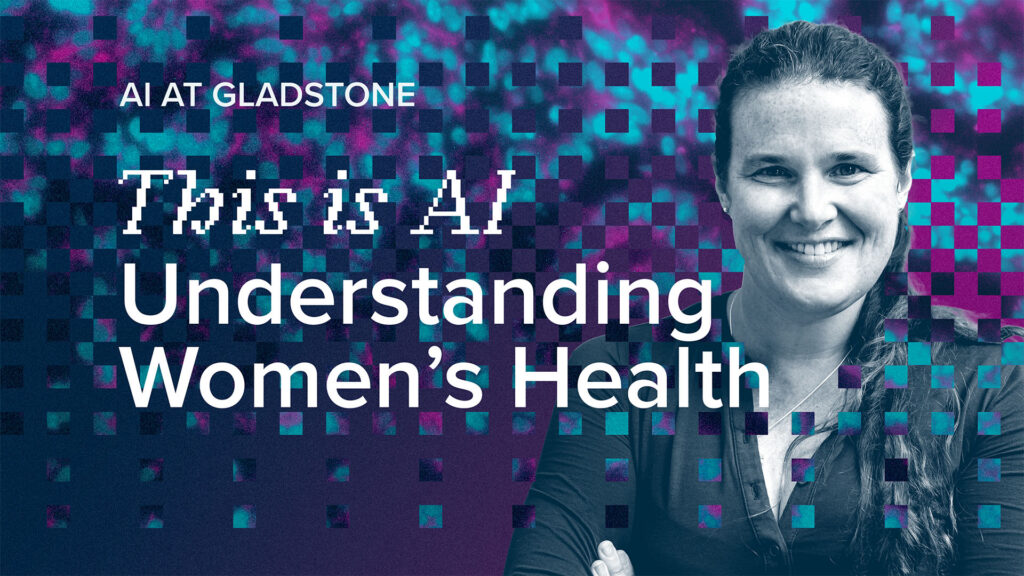
In this video, Barbara Engelhardt and Deepak Srivastava explain how AI can be used to empower women to understand how their periods reflect their health.
Our people are our most important asset. We offer a wide array of career opportunities both in our administrative offices and in our labs.
Open PositionsDiscoveries don’t stay in our labs. Gladstone facilitates spinout companies to advance promising therapies, shortening the path between scientific discovery and helping real patients.
Learn MoreYour gift to Gladstone will allow our researchers to pursue high-quality science, focus on disease, and train the next generation of scientific thought leaders.
Donate Now