How a Single Viral Protein Hijacks Immune Cells to Supercharge COVID-19 Infection
A new discovery reveals how a SARS-CoV-2 protein reprograms immune cells to accelerate viral spread—and points to a new strategy for therapeutic intervention.
Scientists are still uncovering how these conditions change the body over time. A deeper understanding of COVID and Long COVID will not only help improve current treatments, but also reveal broader insights into chronic illness and can help communities better prepare for future pandemics.
As Gladstone, researchers are leveraging a unique collaborative environment to develop improved diagnostics, therapies and vaccines.
Since the start of the pandemic, at least 7 million people worldwide have died of COVID, although scientific estimates suggest the disease likely caused well over 15 million deaths globally.
SARS-CoV-2, the virus that causes COVID, uses its “spike” protein to latch onto a protein found on human cells. Then, like other viruses, it hijacks the cell’s own machinery to reproduce its own genome and produce more virus particles. As a response, the body launches an immune response involving B cells to produce antibodies that neutralize circulating viruses and T cells that destroy infected cells, among other functions.
But SARS-CoV-2 is always evolving by mutating its genome, which produces variants of the virus that find new ways to evade the body’s defenses and quickly spread through populations.
COVID vaccines have been very effective at protecting against severe disease and hospitalization—as they’re designed to do—but they do not completely prevent infection. They’ve also been shown to decrease (but not completely eliminate) the risk of Long COVID.
The mechanisms of Long COVID, in which unexplained symptoms (such as fatigue, brain fog, shortness of breath, and chronic pain) newly arise or worsen after an acute infection, are still poorly understood. Scientists are pursuing different possibilities, including SARS-CoV-2 persistence, chronic inflammation, and dysregulation of the immune system.




In response to the COVID pandemic, many Gladstone scientists rapidly pivoted the focus of their labs to the novel virus, SARS-CoV-2. In 2020, we also opened a new high-security biocontainment lab designed to handle this airborne pathogen in a safe, controlled environment.
Since that time, researchers at Gladstone have made important discoveries that shed light on the mechanisms behind COVID and Long COVID. They have found that SARS-Co-V-2 infects and kills the heart’s muscle cells, shedding light on how the virus causes heart damage that lingers even after recovery from an infection. They also solved the mystery of unusual blood clotting and inflammation in COVID, and identified a promising therapeutic strategy.
In addition, the scientists characterized features of T cells that recognize cells infected with SARS-CoV-2, including when they are protective or pathogenic, their role during mild and severe COVID, how they differ in the context of vaccination or natural infection, and their properties in the context of pregnancy.
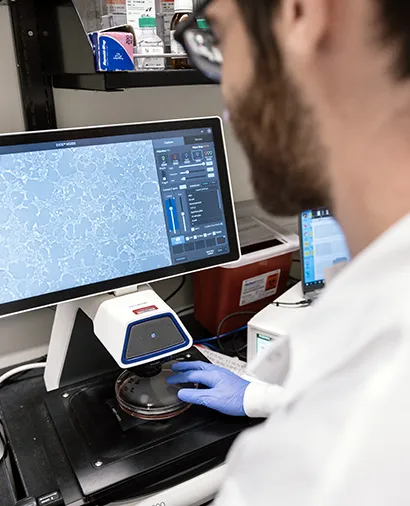
Replicating a pathogenic virus in a lab comes with risk. So, scientists need safe alternatives to comprehensively study SARS-CoV-2’s biological behavior.
Taha Taha, in collaboration with Melanie Ott and Jennifer Doudna, found ways to generate several alternatives to live virus that are non-infectious because they cannot spread. These include virus-like particles that mimic authentic viral shells but lack a viral genome, and replicons that can replicate viral RNA but cannot propagate it.
The scientists used these methods to mimic several naturally occurring versions of the virus, discovering what made the Delta variant more infectious than others and why the Omicron variant spread so rapidly around the globe. This technology is also being used to reveal how SARS-CoV-2 causes disease, to search for new antiviral strategies, and to proactively identify the next variant of concern.

Melanie Ott’s lab has created miniature human lung models, called organoids, that allow scientists to study how COVID affects the airways. Using these models, they investigated whether infection with the Omicron variant—which often causes milder illness—could help protect people from future variants.
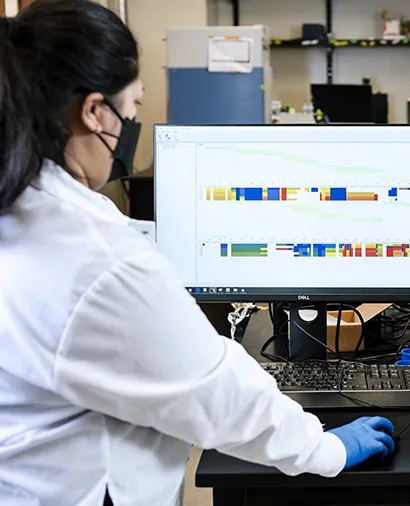
Nevan Krogan and his team are studying how SARS-CoV-2 interacts with human cells to find new ways to stop the virus. They analyze the virus’s genes and proteins to understand how it spreads, evades the immune system, and causes disease. Using advanced tools, the researchers map how viral proteins connect with human proteins and identify weak points where drugs could block infection. Based on this information, they then test large numbers of existing drugs to see whether they can prevent the virus from spreading and causing illness.
Since the pandemic began, the team has identified dozens of promising drug targets and several existing drugs with potential against COVID, including some that are already FDA-approved and others in clinical trials. They are also studying why some variants spread more easily or better evade immunity, and are working to develop new drugs that are harder for the virus to outsmart.

Melanie Ott, Jennifer Doudna, Dan Fletcher and Katie Pollard, in collaboration with scientists at UC Berkeley and the Innovative Genomics Institute, developed a portable, low-cost, CRISPR-based diagnostic test for COVID. Using a simple smartphone camera, this novel test combines the accuracy of gold-standard PCR testing with the portability and simplicity of at-home antigen tests. The test can detect not only whether a sample is positive for COVID, but it can also determine how much virus is in a sample. Gladstone scientists are working with industry partners to develop the technology on a larger scale.
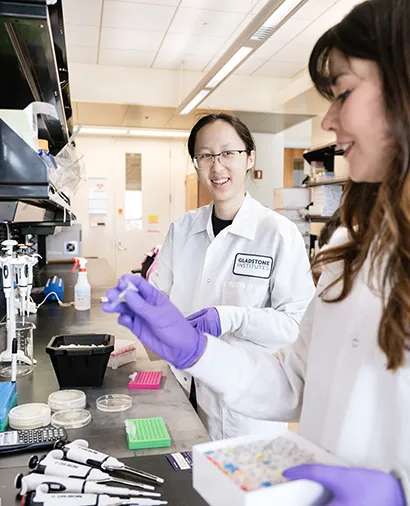
A group led by Magnus Hoffmann is developing a next-generation COVID vaccine platform that combines the speed of mRNA vaccines with the strong immune response of traditional protein-based vaccines.
Instead of only instructing cells to make a viral protein, the new approach directs cells to build harmless spike-carrying extracellular vesicles , which could trigger stronger and longer-lasting protection, reducing the need for frequent booster shots. In animal studies, the vaccine has produced much stronger antibody responses against COVID variants than standard mRNA vaccines. The platform can also be adapted for other viruses such as HIV, influenza, malaria, and tuberculosis.
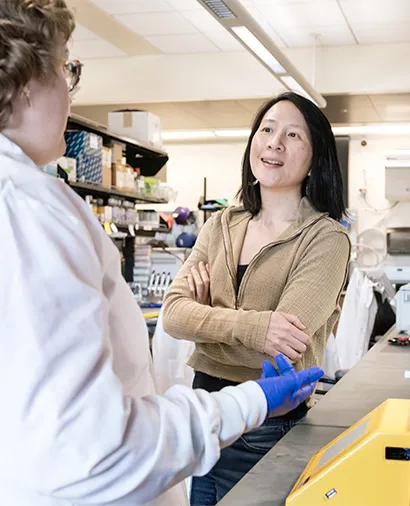
Nadia Roan’s lab studies how Long COVID disrupts the immune system as a whole, with a focus on the T cells that normally fight viral infections but that can also trigger chronic inflammation.
The team found that people with Long COVID harbor T cells prone to invading deep tissues, along with SARS-CoV-2-specific T cells showing signs of exhaustion typically seen in chronic infections such as HIV. They showed that T cells targeting two common herpesviruses, Epstein-Barr virus and cytomegalovirus, are also dysregulated during Long COVID, supporting the idea that reactivating these dormant viruses may help drive Long COVID.
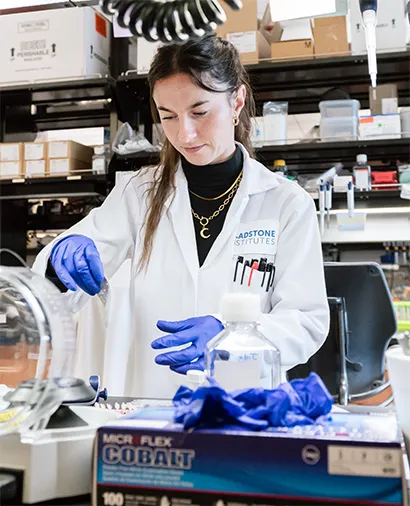
Nadia Roan’s group has teamed up with Melanie Ott and Jorge Palop to establish a mouse model of Long COVID where immunological perturbations can be linked to post-infection behavioral changes captured by machine learning approaches. This model is currently being used to test next-generation therapies for Long COVID, as well as defining the mechanisms that cause Long COVID.


Jennifer Doudna, PhD
Senior Investigator

Magnus Hoffmann, PhD
Assistant Investigator

Nevan Krogan, PhD
Senior Investigator

Melanie Ott, MD, PhD
Senior Investigator and Director, Gladstone Infectious Disease Institute

Katie Pollard, PhD
Senior Investigator and Director, Gladstone Institute of Data Science and Biotechnology

Nadia Roan, PhD
Senior Investigator

Taha Taha, PharmD, PhD
Research Investigator
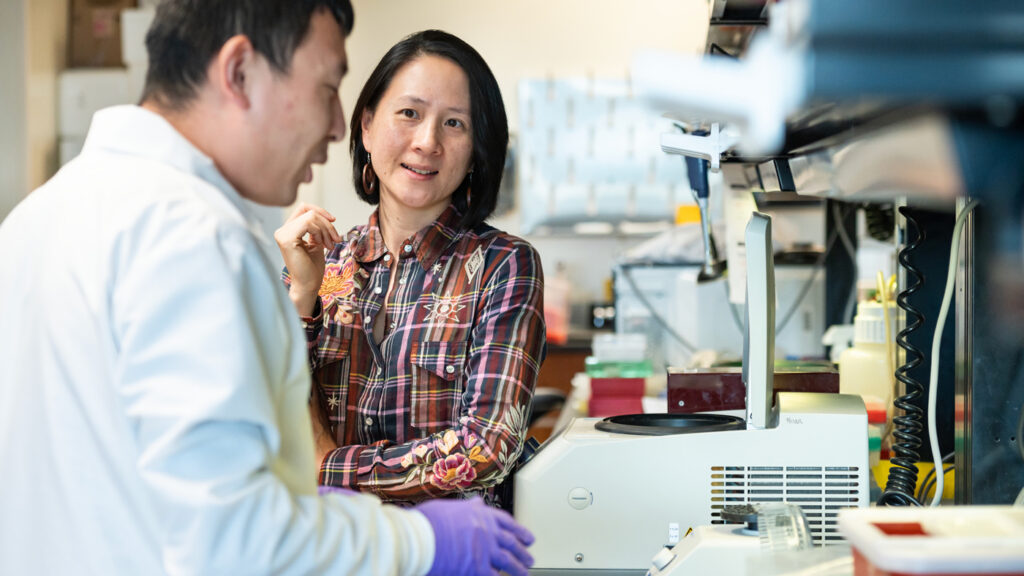
New research links long COVID to changes in virus-specific immune cells, particularly in women.

By uniting the power of single-cell sequencing, organoids, and artificial intelligence, scientists are entering a new era of HIV research.
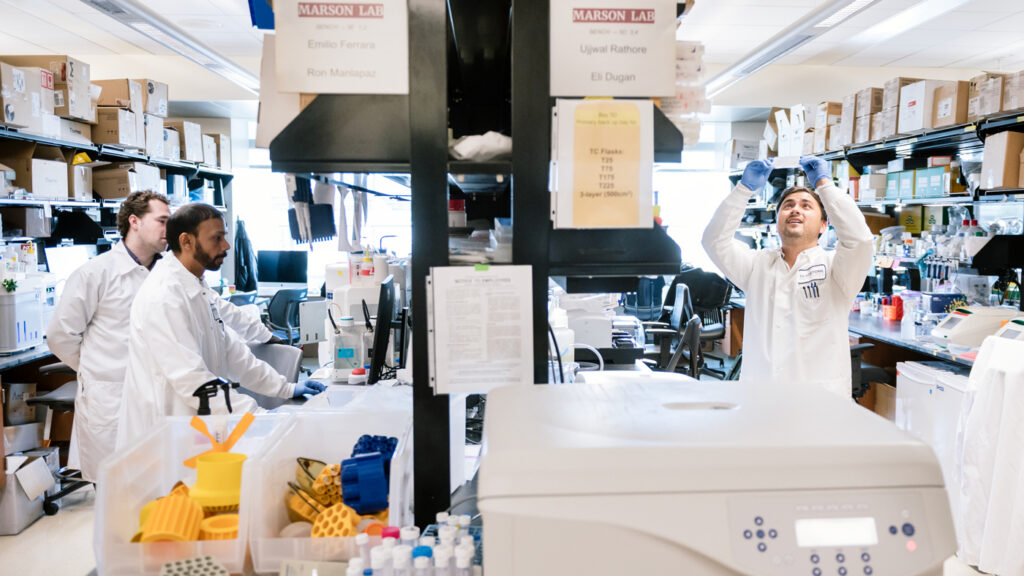
A new genetic roadmap reveals hundreds of hidden players in HIV infection, including two proteins that stop HIV in its tracks.
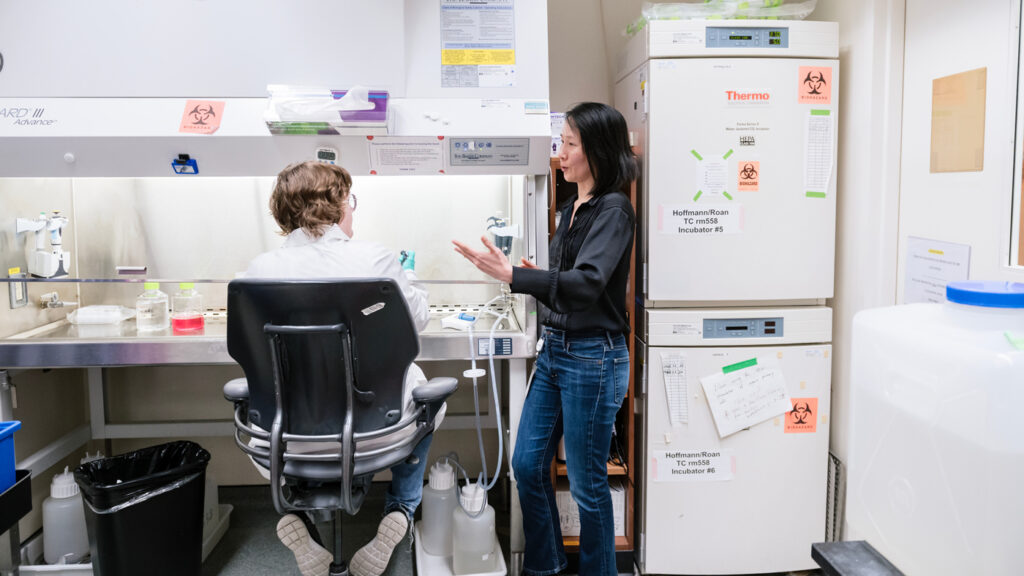
New research offers a path toward life without daily HIV pills, suggesting common diabetes pill could help achieve long-term remission.

Our people are our most important asset. We offer a wide array of career opportunities both in our administrative offices and in our labs.
Open PositionsDiscoveries don’t stay in our labs. Gladstone facilitates spinout companies to advance promising therapies, shortening the path between scientific discovery and helping real patients.
Learn MoreYour gift to Gladstone will allow our researchers to pursue high-quality science, focus on disease, and train the next generation of scientific thought leaders.
Donate Now