Genomic Maps Untangle the Complex Roots of Disease
Findings of the new study in Nature could streamline scientific discovery and accelerate drug development.

These progressive diseases often affect several tissues at once and can be hard to diagnose. Many autoimmune diseases, such as lupus, are more prevalent among women than men. While treatments exist to contain autoimmune diseases, no cure is currently available.
A multidisciplinary team of scientists at Gladstone brings together expertise in genetics, immunology, and gene editing to gain a deeper understanding of the cells that make up the immune system and ultimately find new types of therapies for autoimmune diseases.

Autoimmune diseases occur when the body’s immune system mistakenly attacks its own healthy tissues. Normally, the immune system protects us by identifying and destroying harmful invaders such as bacteria, viruses, and unhealthy cells. To prevent damage to the body, it also has built-in safeguards to recognize the difference between “self” and “foreign.”
In people with autoimmune diseases, these safeguards do not work properly. Immune cells begin targeting healthy tissues as though they were threats, leading to ongoing inflammation and damage. Depending on the disease, the immune system may attack the joints, skin, thyroid gland, digestive tract, nervous system, or other organs.
A special group of immune cells called regulatory T cells normally helps keep the immune system under control. Researchers believe that problems with these cells are one contributor to autoimmunity. While the interplay of factors are not fully understood, autoimmune diseases are thought to result from a combination of genetic predisposition and environmental triggers.




Scientists learn to fine-tune a gene that is centrally involved in regulating the immune system, offering potential clues for future autoimmunity and cancer treatments.
Gladstone scientists are combining advances in genetics, immune cell engineering, and CRISPR technology to develop new treatments for autoimmune diseases. They are working to identify the genetic factors that contribute to conditions such as lupus, rheumatoid arthritis, and multiple sclerosis, as well as to better understand how immune cells recognize and attack healthy tissues. Their goal is to design precise, genetically engineered immune cell therapies that could improve treatment options for patients across a wide array of diseases.

Alex Marson’s group is developing advanced CRISPR gene-editing technologies that enable faster, more precise ways to modify human immune cells. The team combines these tools with large-scale genetic studies to identify mutations linked to autoimmune diseases and understand how immune cells, including T cells, contribute to disease. By uncovering the genetic drivers of autoimmunity and engineering immune cells with improved functions, the researchers aim to develop innovative cell-based therapies for a wide range of autoimmune and inflammatory conditions.

Brian Shy’s laboratory develops next-generation cell and gene therapies using advanced genome and epigenome engineering technologies. His team works to improve the safety, effectiveness, and manufacturing of engineered cell therapies, creating new approaches to treat immune-related diseases. By advancing the tools and methods needed to develop and deliver these therapies, the lab helps lay the foundation for future treatments for autoimmune diseases and other conditions driven by immune system dysfunction.
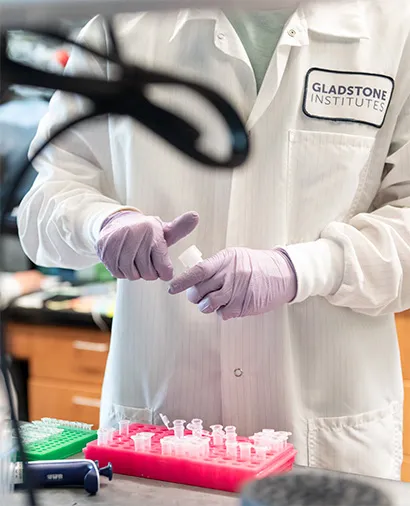
For more than 20 years, Qizhi Tang has studied regulatory T cells, a specialized group of immune cells that help prevent the immune system from attacking the body’s own tissues. Her research focuses on harnessing these cells to restore immune balance, with the goal of treating autoimmune diseases and preventing organ transplant rejection. She is also developing new approaches to support cell replacement therapies for type 1 diabetes, an autoimmune disease in which the immune system destroys insulin-producing cells in the pancreas.
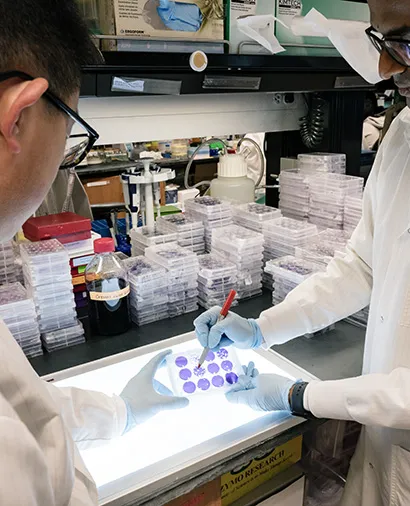
In Melanie Ott’s lab, scientists study how the immune system maintains a healthy balance between cells that calm immune responses and cells that drive inflammation. Their research identified SIRT1 as a key molecule to help determine whether the immune system remains controlled or becomes overly active. By understanding how SIRT1 influences immune cell behavior, the team aims to uncover new ways to restore immune balance and develop more effective treatments for autoimmune diseases.

Katie Pollard and her team apply rigorous metagenomic sequencing and statistical analysis tools to uncover components of the gut microbiome that may predict or contribute to auto-immune conditions such as inflammatory bowel disease (IBD). Beyond cataloging the microbiome strains that correlate with disease, Pollard’s team identifies microbial metabolic pathways that interact with the host’s immune system and studies interventions such as diet or fecal matter transplants that could quiet the overactive immune response causing IBD.


Alex Marson, MD, PhD
Senior Investigator and Director, Gladstone-UCSF Institute of Genomic Immunology

Melanie Ott, MD, PhD
Senior Investigator and Director, Gladstone Infectious Disease Institute

Katie Pollard, PhD
Senior Investigator and Director, Gladstone Institute of Data Science and Biotechnology

Brian Shy, MD, PhD
Visiting Investigator

Qizhi Tang, PhD
Affiliate Investigator
A new discovery reveals how a SARS-CoV-2 protein reprograms immune cells to accelerate viral spread—and points to a new strategy for therapeutic intervention.
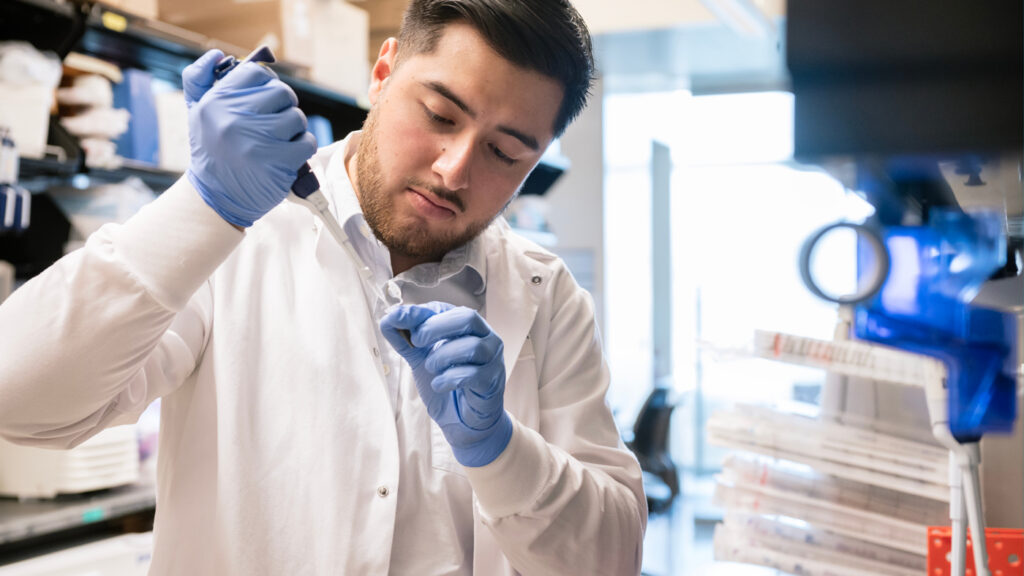
The fellowship provides three years of funding for graduate students pursuing groundbreaking immunology research.

Takahashi is recognized for his pioneering work translating iPS cell technology into a clinically approved therapy for Parkinson’s disease.

An unprecedented map of 22 million immune cells provides the functional rulebook for virtual biology and next-generation immunotherapies.

Our people are our most important asset. We offer a wide array of career opportunities both in our administrative offices and in our labs.
Open PositionsDiscoveries don’t stay in our labs. Gladstone facilitates spinout companies to advance promising therapies, shortening the path between scientific discovery and helping real patients.
Learn MoreYour gift to Gladstone will allow our researchers to pursue high-quality science, focus on disease, and train the next generation of scientific thought leaders.
Donate Now