Scientists Prevent “Exhaustion” in Cancer-Fighting T Cells
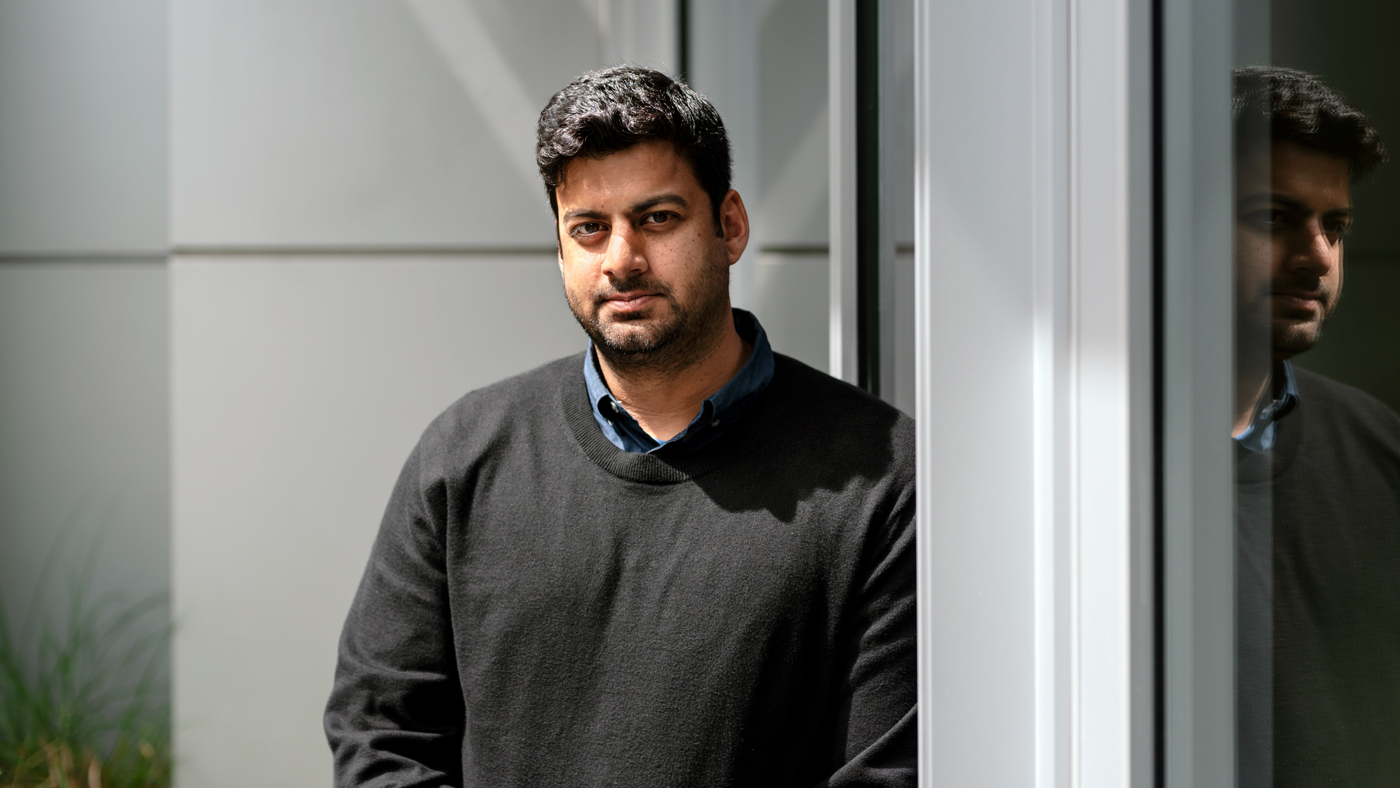
When faced with a formidable foe for months on end, the immune system’s T cells begin to tire. Whether fighting a cancer or a chronic infection, they become less effective over time, a phenomenon dubbed “T cell exhaustion” by scientists. Now, researchers at Gladstone Institutes and Stanford University have revealed the genetic switches that get flipped in exhausted T cells. In the process, they discovered how to prevent this immune exhaustion—a major step toward improving immune-based treatments for cancer.
“The exciting thing about these results is that they give us potential paths forward for boosting the ability of T cells to maintain a long-term fight against cancer cells,” says Alex Marson, MD, PhD, director of the Gladstone-UCSF Institute of Genomic Immunology and an author of the new study published in Cancer Cell.
“Cancer immunotherapies have been transformative for a portion of cancer patients; but the reality is that in a majority, they don’t currently work, often because of T cell exhaustion,” says Ansuman Satpathy, MD, PhD, an assistant professor in the Department of Pathology at the Stanford School of Medicine and a core member of the Gladstone-UCSF Institute of Genomic Immunology, who led the study. “Our work has the potential to change that.”
What Makes T Cells Tire?
The T cells found in the human immune system are some of the front-line soldiers in recognizing, attacking, and directing the fight against foreign cells and molecules. They recognize their opponents—from pathogens to cancers—through unique receptors on their surfaces. When a molecule binds to one of these T cell receptors, it activates the T cell, which begins producing a variety of immune molecules. Scientists have long known, however, that this response diminishes over time. When a T cell receptor is activated continuously for weeks or months, the cell gradually produces fewer immune molecules and becomes less effective at destroying a cancer or pathogen.
“A typical approach would be to study one or two genes at a time, but our strategy enabled us to systematically test every gene in the genome at once.”
In the new study, Satpathy and his collaborators—including Julia Carnevale, MD, a physician-scientist at UC San Francisco (UCSF) and a core member of the Gladstone-UCSF Institute of Genomic Immunology; Santosh Vardhana, MD, PhD, a medical oncologist at Memorial Sloan Kettering Cancer Center; and Crystal Mackall, MD, a professor of pediatrics and of medicine at the Stanford School of Medicine—set out to better characterize what occurs during this shift.
Stanford graduate student Julia Belk, the first author of the new paper, developed a model of T cell exhaustion that could be used to study isolated immune cells in a dish. She showed that constantly activating the receptors of isolated T cells was a good mimic of what occurred in the vicinity of human cancers.
Then, the team used CRISPR-Cas9 gene editing to alter tens of thousands of genes—one at a time—in the cells. They tested which T cells showed more or less exhaustion than usual after constant activation of their T cell receptors. This let the researchers identify which genes were most important in triggering T cell exhaustion.
“This is the first genome-wide screen for the genes that are involved in T cell exhaustion,” says Belk. “A typical approach would be to study one or two genes at a time, but our strategy enabled us to systematically test every gene in the genome at once.”
Pinpointing Master Switches
Researchers long thought that T cell exhaustion might be driven by just a few genes that ended up permanently switched on or off after chronic receptor activation. But in recent years, studies on exhausted T cells began to hint that the cells undergo more major rewiring, with thousands of genes turned on or off.
The genes that Satpathy’s group found to be linked to T cell exhaustion helped support this idea; the most critical genes were epigenetic regulators, which remodel the physical structure of DNA to turn on or off hundreds of genes at once. These findings help explain how completely different an exhausted T cell is from other functional T cell states.
“This study gives us multiple different shots on goal to try to help T cells avoid exhaustion and therefore improve immunotherapies.”
The researchers carried out detailed analyses of the epigenetic regulators identified in their screen to understand how they interacted with each other, and homed in on a few particularly important genes. Then, they used CRISPR/Cas9 gene editing to further study the effects of blocking individual genes in T cells that were delivered into living mice.
They showed that in mice with tumors, blocking the gene Arid1a led to higher levels of T cells and smaller tumors after just 15 days. Moreover, at a molecular level, the T cells from those mice more closely resembled healthy, persistent immune cells than exhausted, less active T cells.
A Path Toward Therapeutics
The researchers say that more work is needed to better understand the effect of altering epigenetic factors like Arid1a in humans with cancer. But their results indicate that altering these genes—or some of the genes that they control—might improve the effectiveness of existing immunotherapies.
“This study gives us multiple different shots on goal to try to help T cells avoid exhaustion and therefore improve immunotherapies,” says Marson.
The findings also could inform the development of treatments to help the immune system ward off chronic viral infections, he adds.
Up Next
Scientists Decode Gene Circuits of Human Immunity, Fueling New Era of Disease Research
An unprecedented map of 22 million immune cells provides the functional rulebook for virtual biology and next-generation immunotherapies.
New Toolkit Turns Macrophages Into Better Cancer Fighters
Gladstone and UCSF scientists developed a method to genetically edit myeloid cells, immune cells that act as the body’s first responders.
New CRISPR Screening Platform Boosts Power of Immunotherapy Against Solid Tumors
A new screening platform uncovers gene edits that enhance CAR-T cells’ ability to infiltrate and eliminate solid tumors.
New CRISPR Technique Selectively Shreds Cancer Cells, Including Those of ‘Undruggable’ Cancers
An innovative chromatin-shredding technique shown to destroy cancer cells carrying a prevalent mutation while keeping healthy cells intact.

Get Involved
Join the Team
Our people are our most important asset. We offer a wide array of career opportunities both in our administrative offices and in our labs.
Open PositionsPartner With Us
Discoveries don’t stay in our labs. Gladstone facilitates spinout companies to advance promising therapies, shortening the path between scientific discovery and helping real patients.
Learn MoreGive
Your gift to Gladstone will allow our researchers to pursue high-quality science, focus on disease, and train the next generation of scientific thought leaders.
Donate Now