Gladstone NOW: The Campaign Join Us on the Journey✕




Bruce Conklin, MD, and his team at Gladstone Institutes are tackling Charcot-Marie-Tooth (CMT) disease, the most common inherited neurological disorders—for which there is currently no cure.
Using cells collected from patients with CMT, the scientists are exploring ways to use gene editing as a therapeutic tool to treat the disease.
In this video, Bruce Conklin and Bria Macklin describe their work and explain how it could help patients like Jeremy, an energetic 5-year-old who donated his cells to Gladstone for this research.
Content note: The narration in the first 6 seconds of this video was enhanced using an AI-generated voice.
Featured Experts

Gladstone NOW: The Campaign
Join Us On The Journey
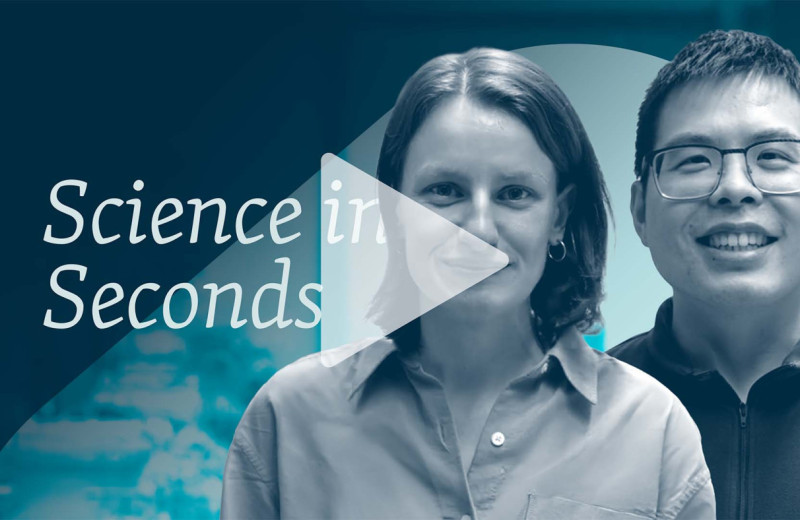
Science in Seconds | An Unprecedented Map of Human Immune Cells
Video
August 28, 2026
Science in Seconds | An Unprecedented Map of Human Immune Cells
In this video, Gladstone scientists Emma Dann and Ronghui Zhu explain how their new study offers a powerful framework for designing cancer immunotherapies and treating autoimmune conditions.
Turning the Tide on Tau: Q&A With Gladstone’s Lennart Mucke
Article
July 1, 2026
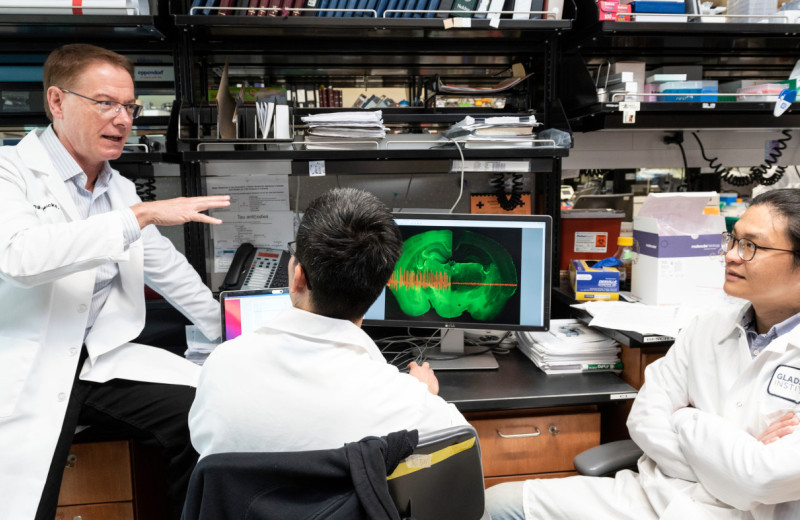
Turning the Tide on Tau: Q&A With Gladstone’s Lennart Mucke
Nearly 20 years after his landmark study uncovered novel roles of tau in Alzheimer’s disease, Gladstone's Lennart Mucke shares his perspective on new clinical data that could transform the future of brain health.
Mucke Lab Alzheimer’s Disease Gladstone Experts Neurological Disease News ReleaseThis Is AI Decoding the Genetic Cause of Disease
Video
March 23, 2026
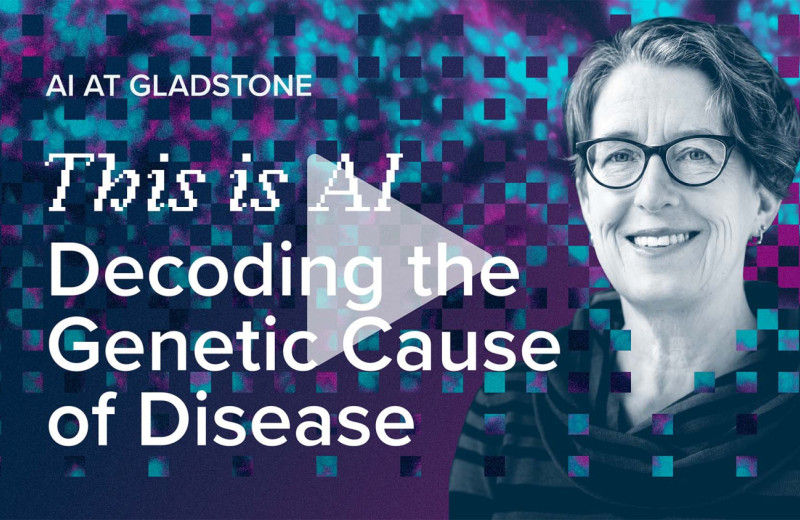
This Is AI Decoding the Genetic Cause of Disease
In this video, Katie Pollard and Deepak Srivastava explain how Gladstone scientists are combining AI models with novel tools in the lab to finally decode the entire human genome.
Gladstone Experts Pollard Lab Srivastava Lab AI