Philanthropic Leadership Enables Trailblazing Alzheimer’s Research
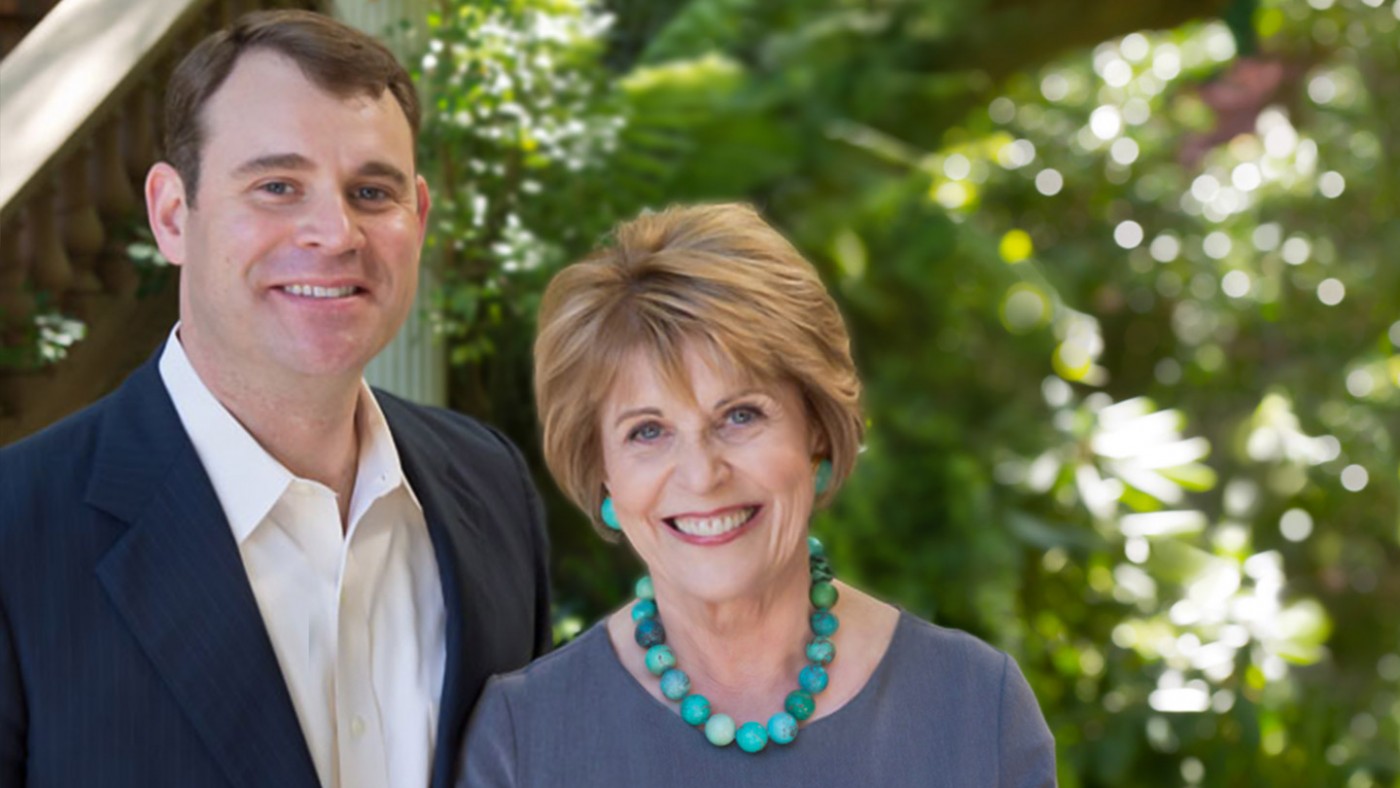
Gladstone donors have been great partners throughout the years. In this piece, Dagmar and David Dolby, loyal supporters of Gladstone, respond to questions posed by Lennart Mucke, MD, director of the Gladstone Institute of Neurological Disease.
Among the San Francisco Bay Area’s most dedicated philanthropists, the Dolby family has worked closely with Gladstone since 2015 to unravel the mysteries of Alzheimer’s disease and develop better treatments for this devastating condition. Their unwavering and invaluable support has allowed Mucke and his colleagues to translate groundbreaking scientific discoveries into new therapeutic strategies for Alzheimer’s disease and related disorders.
Why did you choose to support Gladstone Institutes?
Our late husband and father, Ray Dolby, lived with the early and middle stages of Alzheimer’s disease until age 80. He was a scientist himself and had become deeply interested in stem cell research at UC San Francisco and elsewhere. During Ray’s illness and after his death, we started investigating various Bay Area organizations focusing on Alzheimer’s research, and several friends directed us to Gladstone.
At that time, government funding of Alzheimer’s research was still at a low point, and the number of graduate students going into the field was declining. Meanwhile, we saw Gladstone building up and growing its research program in this area. We were encouraged by the idea of so many talented scientists working on Alzheimer’s disease in a state-of-the-art facility with a collegial atmosphere. Gladstone is consistently clear and focused about its research areas and continues to make great progress in each of them.
What do you find special about Gladstone and its Alzheimer’s research program?
We admire the systems approach to investigating many different aspects of the disease. As the field advances, Gladstone scientists rapidly adopt emerging approaches, and even invent new technologies. We were excited to see induced pluripotent stem cell approaches adopted for use across many programs, the addition of bioinformatics and computational biology, as well as the commercialization efforts and the emphasis on translating findings in the laboratory into real clinical advances.
What are you hoping to accomplish through your support?
Our family has selected a number of different organizations to support. Each one serves a role in the community, and they are all different. Gladstone remains an important organization focused on basic research, for which there are no shortcuts. By taking diverse approaches, Gladstone scientists develop comprehensive pictures of complex diseases like Alzheimer’s. Hopefully, their discoveries will lead to new publications and presentations of data that will allow the entire field to expand. In the long-term, we would like to see the work from Gladstone translate into the discovery of novel therapeutics. We also hope to see continued thought leadership shared in the scientific community to advance the field.
What insights have you gained since starting to make major gifts to Gladstone and other organizations?
As supporters, we have been included in many educational programs and greatly value the periodic reports we receive about the research progress. Gladstone has been a great custodian of our support, and we value the performance and accountability. Looking at the bigger picture, the need for new research is ongoing, so it is important to support the core programs and general operations to ensure Gladstone will always be able to attract and retain talent.
What advice would you give to a person who wants to use philanthropy to fight Alzheimer’s or similar conditions?
Complex diseases such as Alzheimer’s have several different pathways worthy of investigating. It is likely that these diseases have many contributing factors that cannot be overlooked when considering therapeutic options. Therefore, we advise others to take a multi-year approach and consider supporting both core programs as well as newer research areas. It is particularly valuable to support ways for scientists to learn from one another’s research to discover potential links or common pathways across different diseases and comorbidities. This will help ensure that teams don’t get siloed or overly focused on a single theory of causality.
Up Next
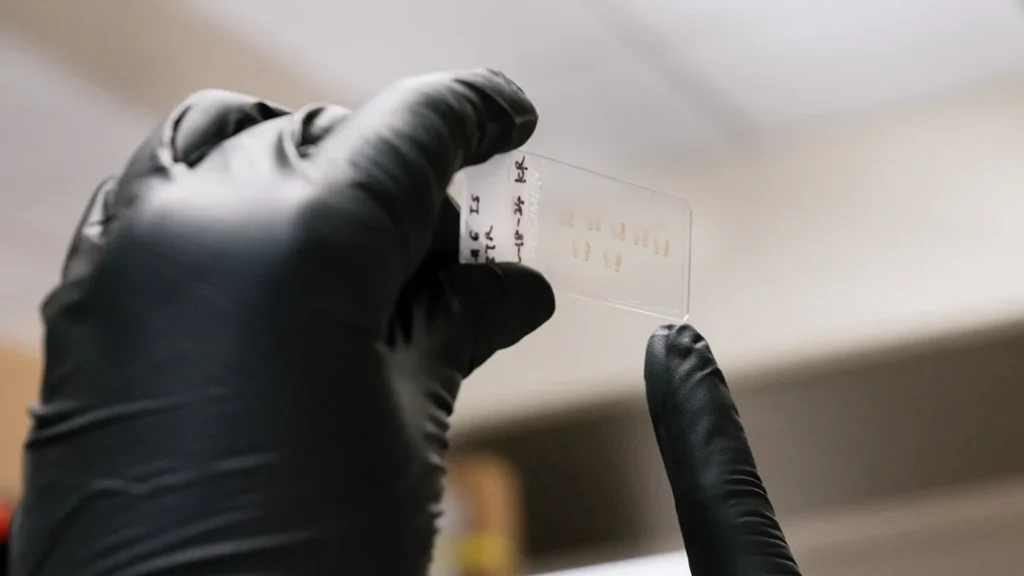
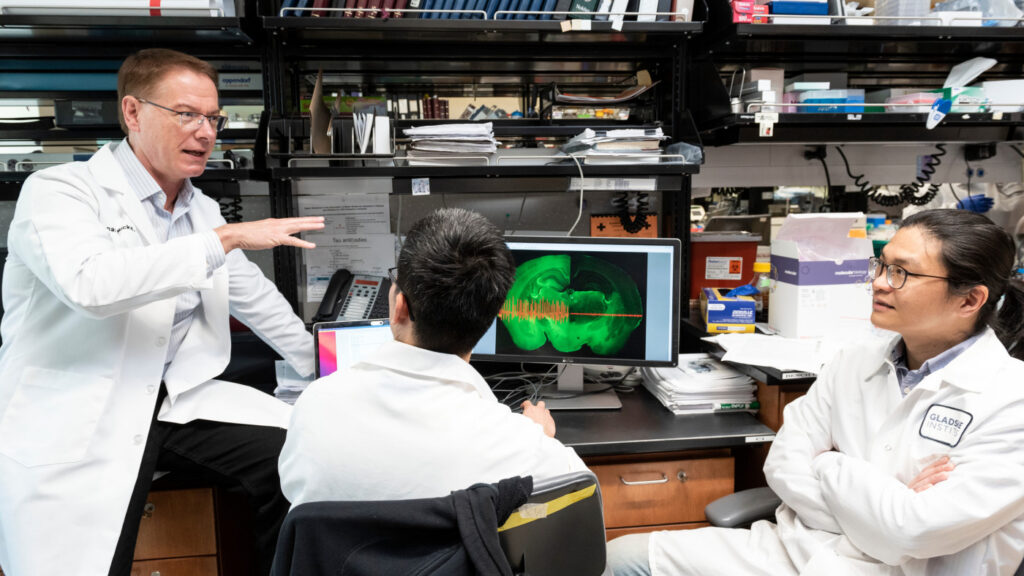
Turning the Tide on Tau: Q&A With Gladstone’s Lennart Mucke
Nearly 20 years after his landmark study uncovered novel roles of tau in Alzheimer’s disease, Gladstone's Lennart Mucke shares his perspective on new clinical data that could transform the future of brain health.
How an AI Microscope Is Learning to Do Science
Gladstone scientists have developed a thinking microscope that can conduct its own experiments, with the ultimate goal of treating neurodegenerative diseases.
Gladstone Investigator Andrew Yang Receives 2026 Sobrato Prize in Neuroscience
The prize honors scientists whose breakthroughs in brain research have high potential for patient impact.
Mapping How the Brain Takes Out Its Trash
Gladstone scientists developed a new tool to trace how the brain clears “waste,” uncovering surprising new biology about how it keeps itself healthy.

Get Involved
Join the Team
Our people are our most important asset. We offer a wide array of career opportunities both in our administrative offices and in our labs.
Open PositionsPartner With Us
Discoveries don’t stay in our labs. Gladstone facilitates spinout companies to advance promising therapies, shortening the path between scientific discovery and helping real patients.
Learn MoreGive
Your gift to Gladstone will allow our researchers to pursue high-quality science, focus on disease, and train the next generation of scientific thought leaders.
Donate Now