One Person’s Final Gift to Science Gets Us Closer to an HIV Cure
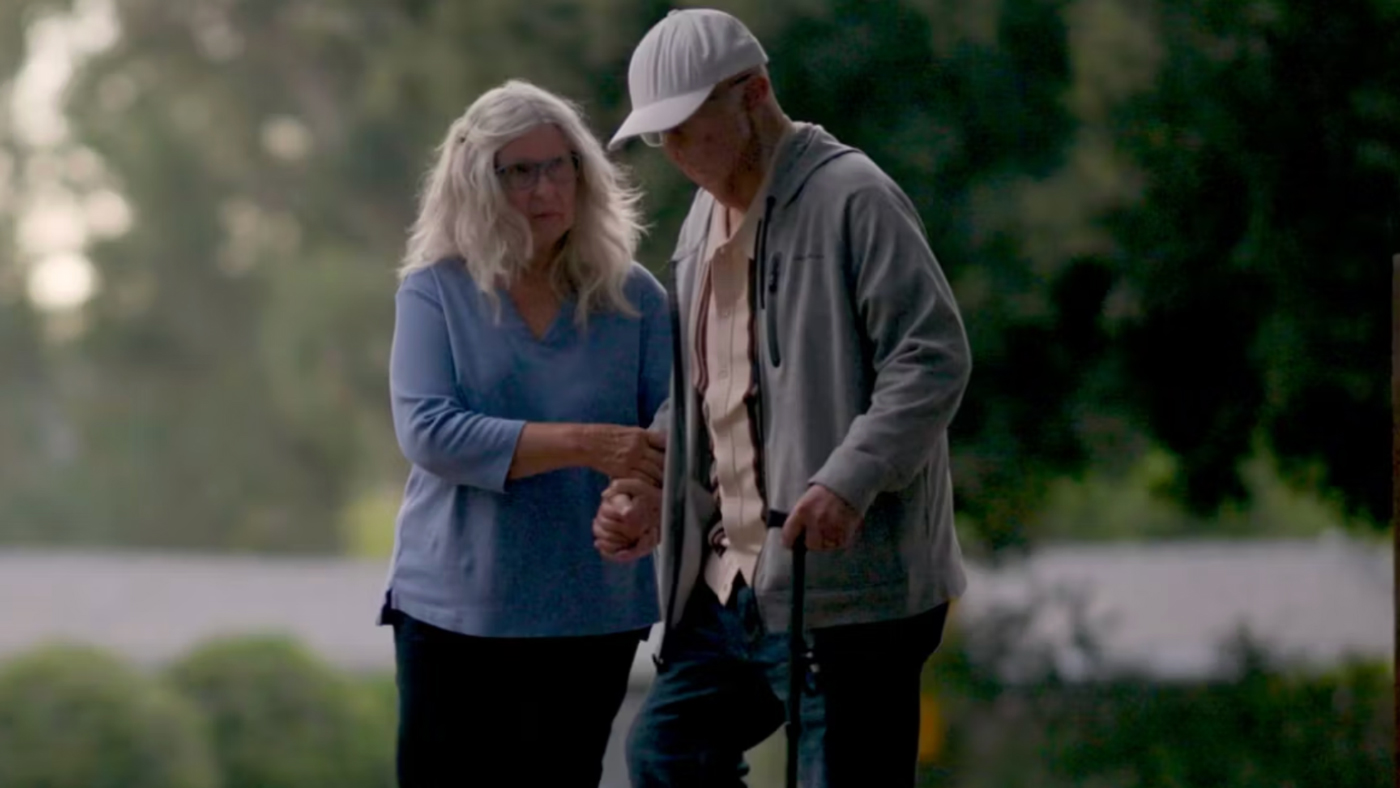
After Jim Dunn was diagnosed with HIV/AIDS, he decided that he would donate his tissues to science when he died. That’s how he came to join The Last Gift Study, a research project led by scientists at UC San Diego (UCSD) to better understand HIV/AIDS—and finally find a cure.
A new short documentary, The Last Gift, follows Jim as he navigates his final days with humor, tenderness, and grace alongside his wife, Susan.
“Jim’s final act of generosity—like that of other participants in The Last Gift Study—gives scientists a rare opportunity to study how HIV hides in the body and how it might one day be cured,” says Patricia Defechereux, PhD, a scientific project manager at Gladstone Institutes and co-producer of the film.
Defechereux’s colleagues at Gladstone—including Ashley George and Jason Neidleman, who work in Nadia Roan’s lab and are featured in the film—partner closely with The Last Gift Study, as part of the HOPE Collaboratory, a multidisciplinary group of researchers pursuing new strategies for curing HIV.
“Thanks to this groundbreaking rapid-autopsy research program and people like Jim, we’re able to learn invaluable information from organs such as the brain, which is not possible to study in living individuals.”
Once scientists at UCSD collect a participant’s tissues, these tissues are urgently flown to San Francisco, where Gladstone scientists process and study them. Their goal is to figure out how latent HIV hides inside cells so they can find approaches to permanently destroy the virus.
“Thanks to this groundbreaking rapid-autopsy research program and people like Jim, we’re able to learn invaluable information from organs such as the brain, which is not possible to study in living individuals,” Defechereux says. “Jim’s choice provides hope for millions of people living with HIV.”
“The tissues we receive represent everything a person can give,” says Neidleman, a research scientist at Gladstone. “We’re at the end of this long line of giving. And so, our job is to give back the best we can, by doing the best work we can.”
“The Last Gift” follows Jim Dunn as he participates in an end-of-life HIV research program where participants choose to donate tissues as their final gift to science. It’s where science and humanity meet, turning an ending into a lasting legacy.
Up Next
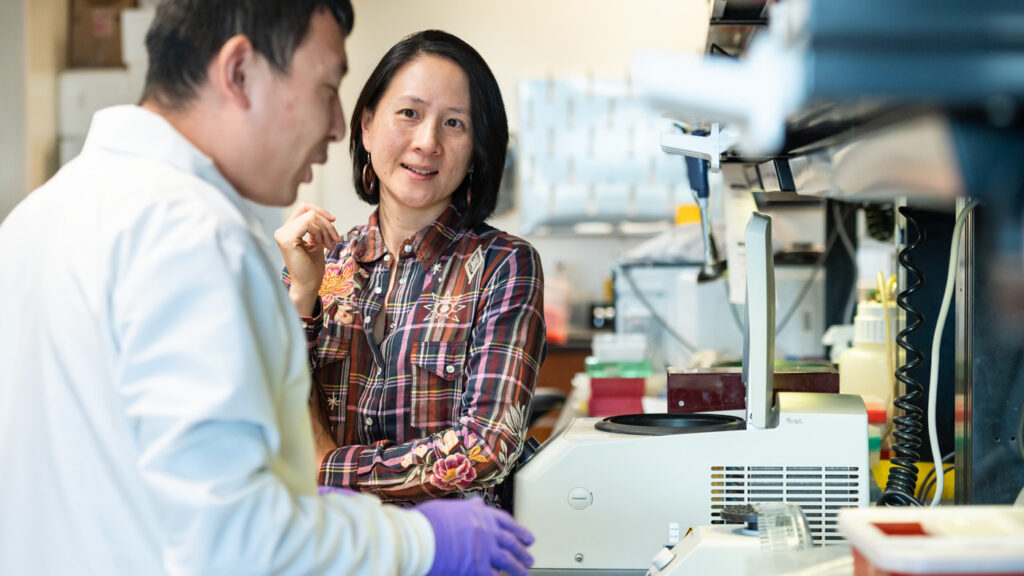

Gladstone Scientists Are Awarded $2 Million to Map How HIV Affects the Immune System
By uniting the power of single-cell sequencing, organoids, and artificial intelligence, scientists are entering a new era of HIV research.
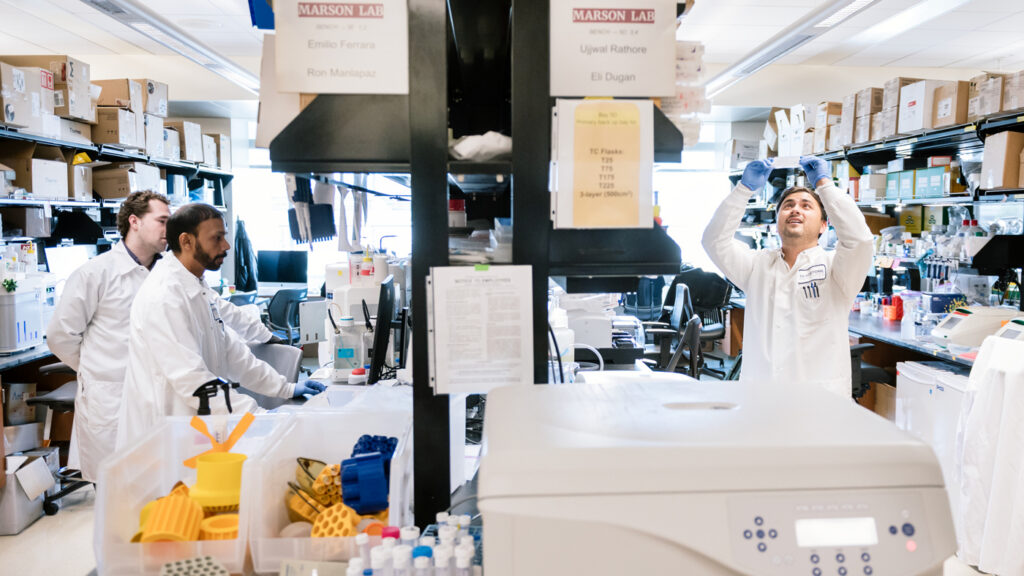
Scientists Map How HIV Hijacks Human Cells—and How Cells Can Fight Back
A new genetic roadmap reveals hundreds of hidden players in HIV infection, including two proteins that stop HIV in its tracks.
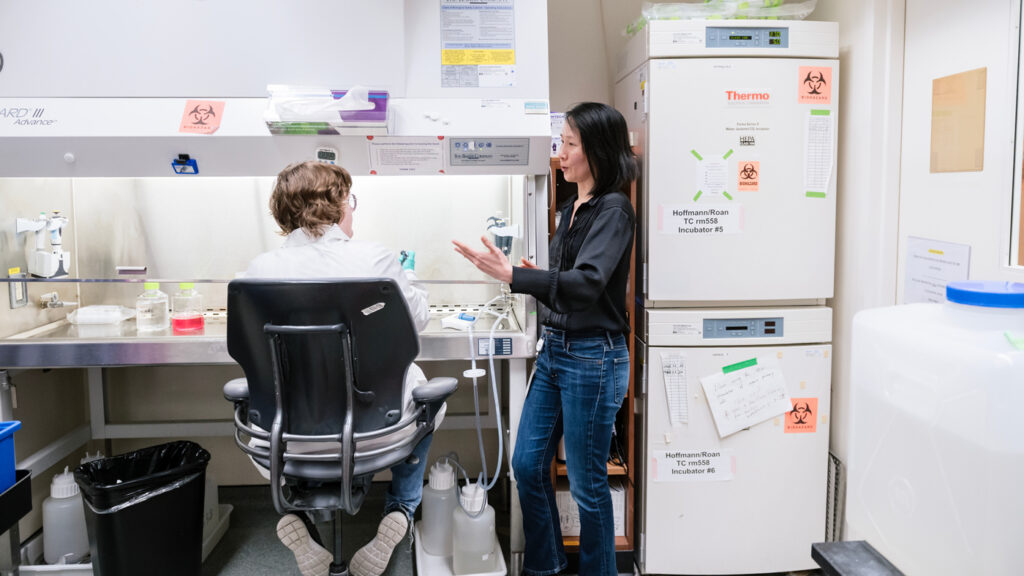
Why Some People Naturally Control HIV Even After Stopping Therapy—and How We Can Leverage That to Treat Others
New research offers a path toward life without daily HIV pills, suggesting common diabetes pill could help achieve long-term remission.
New Tool Reveals the Secrets of HIV-Infected Cells
Developed by Gladstone scientists, HIV-seq could uncover new opportunities for treating HIV.

Get Involved
Join the Team
Our people are our most important asset. We offer a wide array of career opportunities both in our administrative offices and in our labs.
Open PositionsPartner With Us
Discoveries don’t stay in our labs. Gladstone facilitates spinout companies to advance promising therapies, shortening the path between scientific discovery and helping real patients.
Learn MoreGive
Your gift to Gladstone will allow our researchers to pursue high-quality science, focus on disease, and train the next generation of scientific thought leaders.
Donate Now