Gladstone NOW: The Campaign Join Us on the Journey✕



The COVID-19 pandemic poses unprecedented challenges for communities around the world. As the virus continues to spread, COVID-19 is having severe public health and economic effects and has created urgent funding needs worldwide.
To help funders make immediate and strategic investments, Gladstone Institutes and Give2Asia hosted a webinar to provide insight into the pandemic. This webinar combines the biomedical research perspective with recommendations on the difference philanthropy can make in both this and future pandemics.
Speakers:
Melanie Ott, MD, PhD, is a senior investigator at Gladstone Institutes. She uses state-of-the-art organoids to model the infected human lung in a dish, and help scientists understand at a single-cell level how the coronavirus damages lung tissue and how to prevent this.
Aqeela Jogee is the vice president of family philanthropy at Give2Asia. She is responsible for managing the philanthropic services that Give2Asia provides to families to strengthen local communities and grassroots organizations across 25 countries in Asia.
Deborah Kan is the executive editor and founder of Being Patient, an online health platform focused on single-subject long-term diseases. Prior to founding Being Patient, she was a journalist based in Asia and worked for both The Wall Street Journal and Reuters.
About Gladstone Institutes
Based in San Francisco’s Mission Bay neighborhood, Gladstone Institutes is an independent state-of-the-art biomedical research institution that empowers world-class scientists to find new pathways to cures for various diseases from Alzheimer’s to heart failure. Last year Gladstone celebrated 40 years dedicated to discovery.
About Give2Asia
Based in the San Francisco Bay Area, Give2Asia is an international nonprofit that serves as a strategic partner and ally working on the ground in more than 23 countries across the Asia Pacific. Their role is to strengthen the work of local organizations and mobilize support through philanthropic giving from individuals, family foundations, and corporations.
Support Discovery Science
Your gift to Gladstone will allow our researchers to pursue high-quality science, focus on disease, and train the next generation of scientific thought leaders.
Turning the Tide on Tau: Q&A With Gladstone’s Lennart Mucke
Article
July 1, 2026
Turning the Tide on Tau: Q&A With Gladstone’s Lennart Mucke
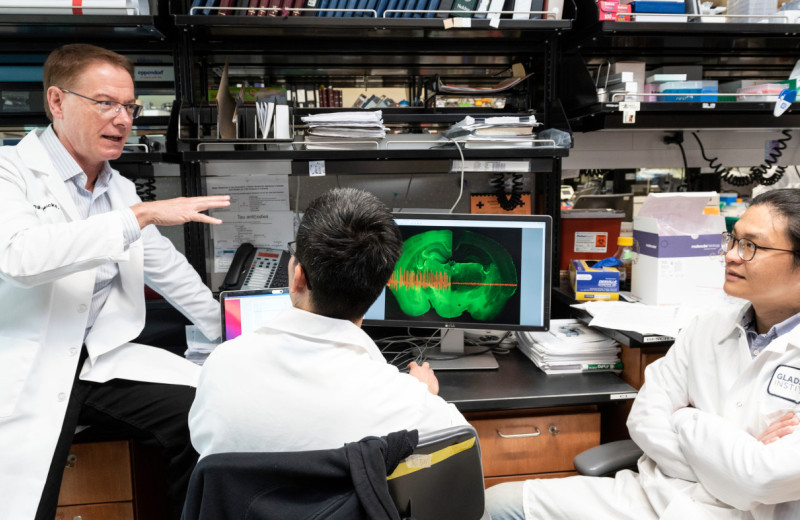
Nearly 20 years after his landmark study uncovered novel roles of tau in Alzheimer’s disease, Gladstone's Lennart Mucke shares his perspective on new clinical data that could transform the future of brain health.
Mucke Lab Alzheimer’s Disease Gladstone Experts Neurological Disease News ReleaseThis Is AI Decoding the Genetic Cause of Disease
Video
March 23, 2026
This Is AI Decoding the Genetic Cause of Disease
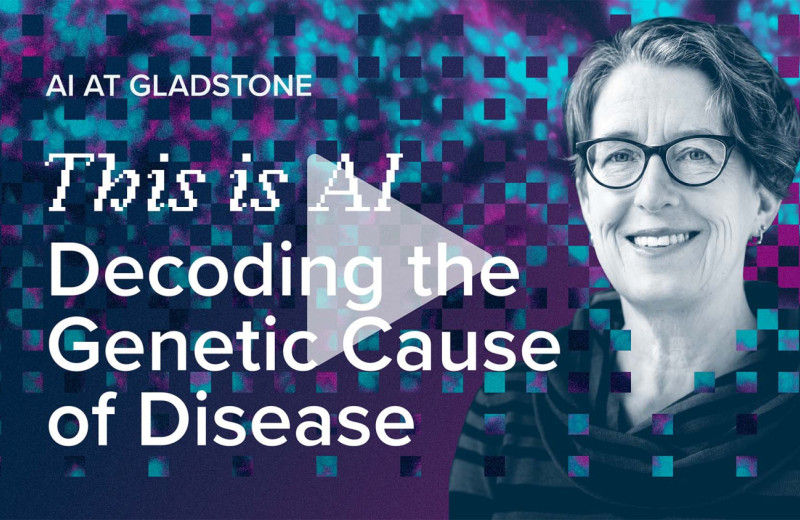
In this video, Katie Pollard and Deepak Srivastava explain how Gladstone scientists are combining AI models with novel tools in the lab to finally decode the entire human genome.
Gladstone Experts Pollard Lab Srivastava Lab AIScience in Seconds | A New Path Toward Life Without Daily HIV Pills
Video
March 20, 2026
Science in Seconds | A New Path Toward Life Without Daily HIV Pills
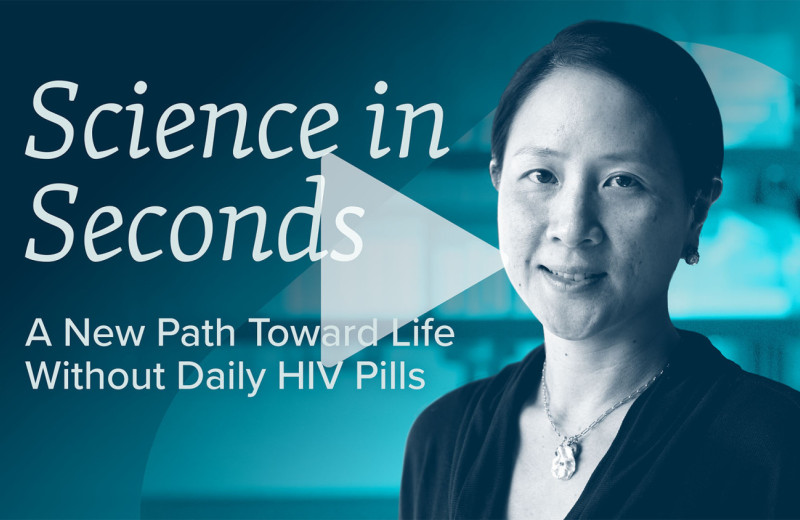
In this video, Nadia Roan and Ashley George explain how they uncovered a new path toward long-term health without the need for daily HIV pills.
Gladstone Experts Research (Publication) HIV/AIDS Infectious Disease Roan Lab