
Gladstone NOW: The Campaign Join Us on the Journey✕
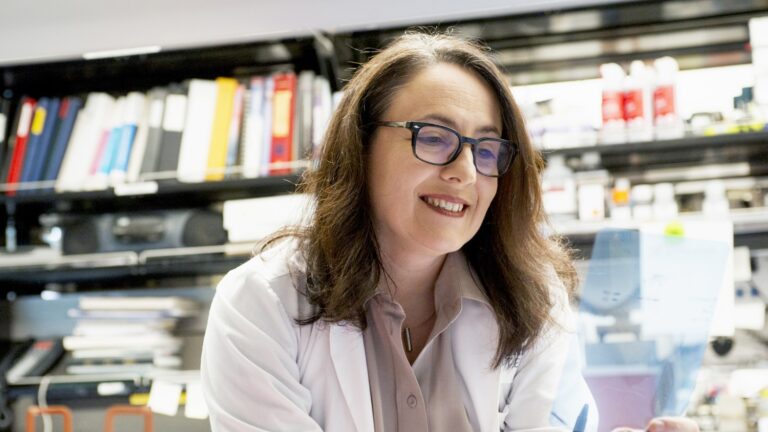
Ebony O. McGee, PhD, has spent more than a decade researching racialized experiences and racial stereotypes that adversely affect the education and career trajectories of underrepresented groups of color. In this talk, McGee discusses the impact STEM culture has on innovation while sharing ideas for a more inclusive culture that does more than promote diversity by building an inclusive supportive environment for underrepresented racially minoritized people. Order her book Black, Brown, and Bruised: How Racialized STEM Education Stifles Innovation today.
This event was hosted as part of the series Amplified: Race and Reality in STEM. Amplified: Race and Reality in STEM aims to give a national platform to speakers to have candid conversations around race and diversity in the STEM fields. Launched in 2020 as part of Gladstone’s commitment to diversity, equity, and inclusion, this series is hosted in partnership with Georgia Tech, the Molecular Engineering & Sciences Institute at University of Washington, and The University of Texas at Austin. We hope these discussions spark change throughout the sciences.
Our people are our most important asset. We offer a wide array of career opportunities both in our administrative offices and in our labs.
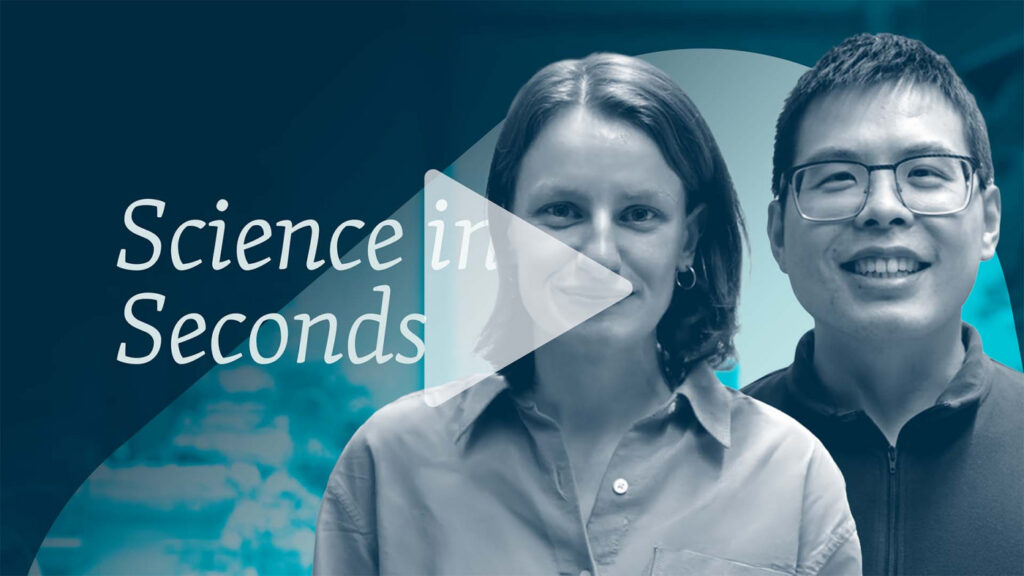
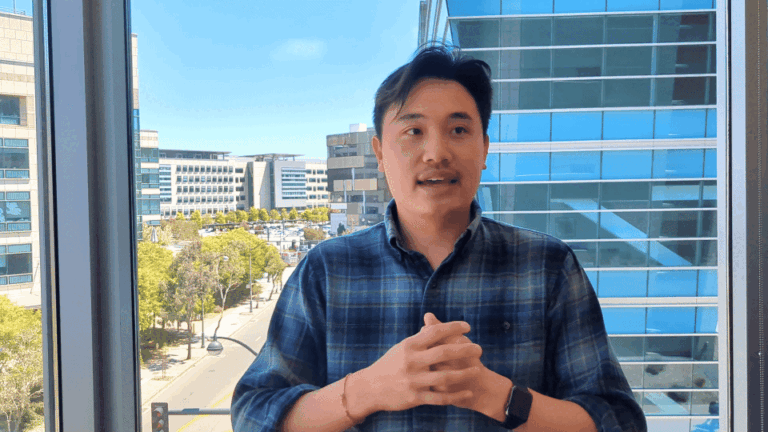
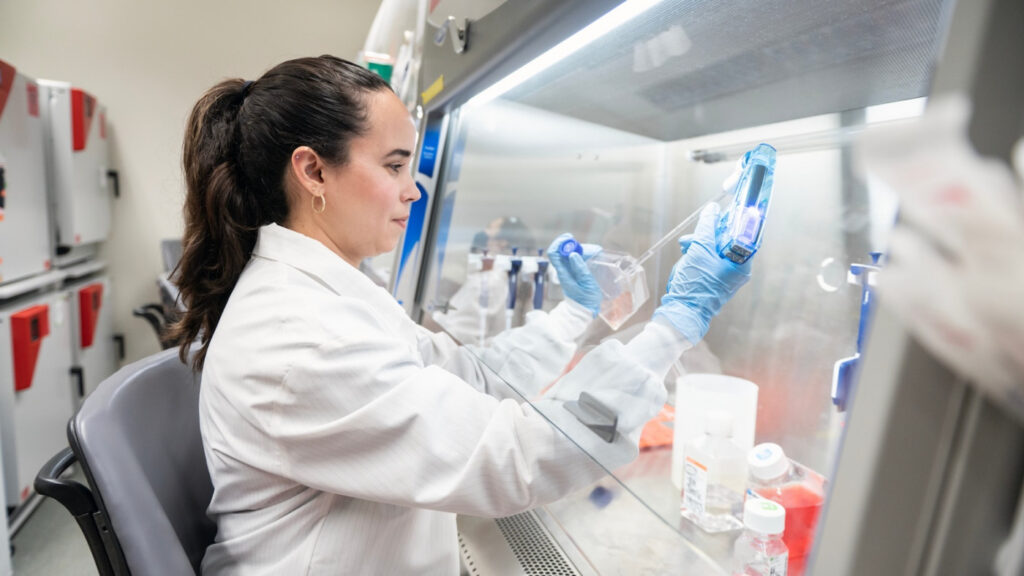
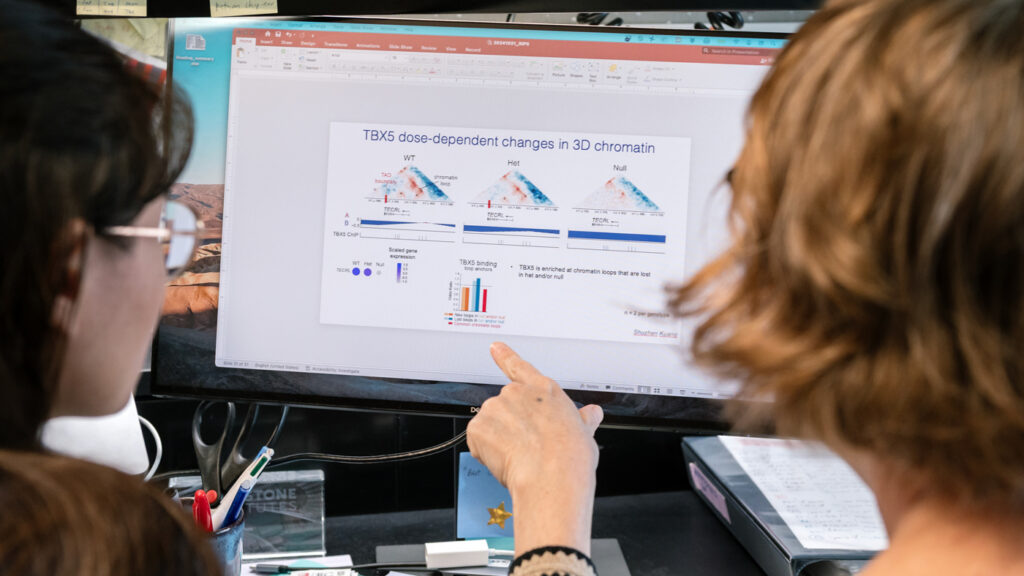
Explore CareersIn this video, Gladstone scientists share how they used stem cells, gene editing, and AI to identify a gene driving heart defects in Down syndrome—and how reducing its levels in mice restored normal heart development, offering hope for future treatments
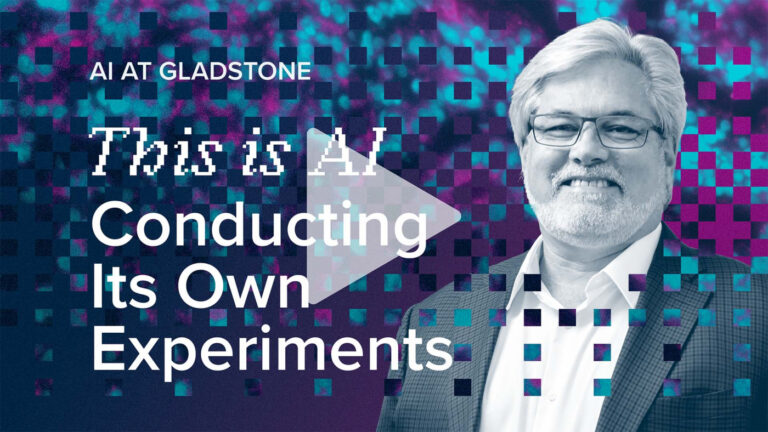
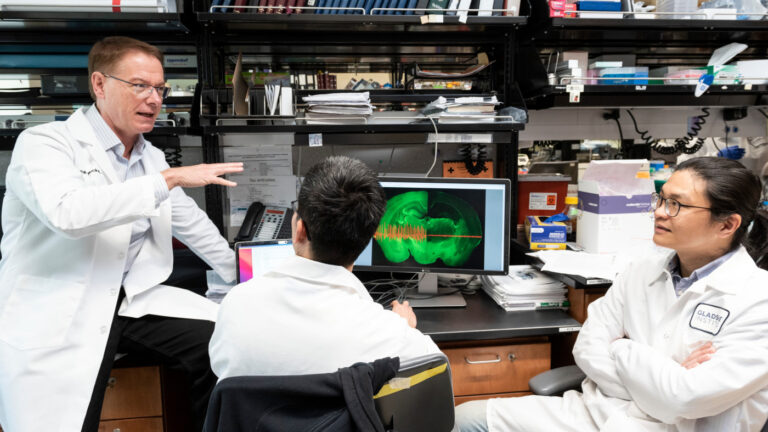
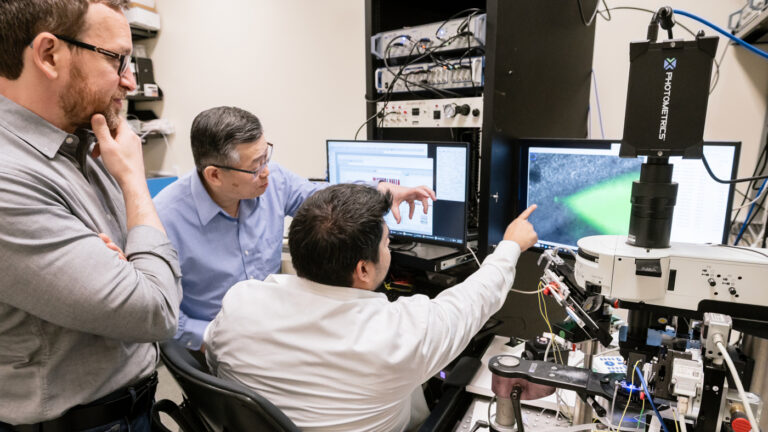
Gladstone Experts Cardiovascular Disease Data Science and Biotechnology Pollard Lab Srivastava Lab AI Big Data CRISPR/Gene Editing Human Genetics Stem Cells/iPSCsIn this video, Steve Finkbeiner and Jeremy Linsley showcase Gladstone’s groundbreaking “thinking microscope”—an AI-powered system that can design, conduct, and analyze experiments autonomously to uncover new insights into diseases like Alzheimer’s, Parkinson’s, and ALS.
Gladstone Experts ALS Alzheimer’s Disease Parkinson’s Disease Neurological Disease Finkbeiner Lab AI Big DataIn this animated short, Deepak Srivastava explains how scientists can reprogram ordinary skin or blood cells back in time—turning them into induced pluripotent stem cells which are capable of becoming any cell type in the body.
Gladstone Experts Stem Cells/iPSCs