Scientists Use Cancer’s Strength to Fight Against It
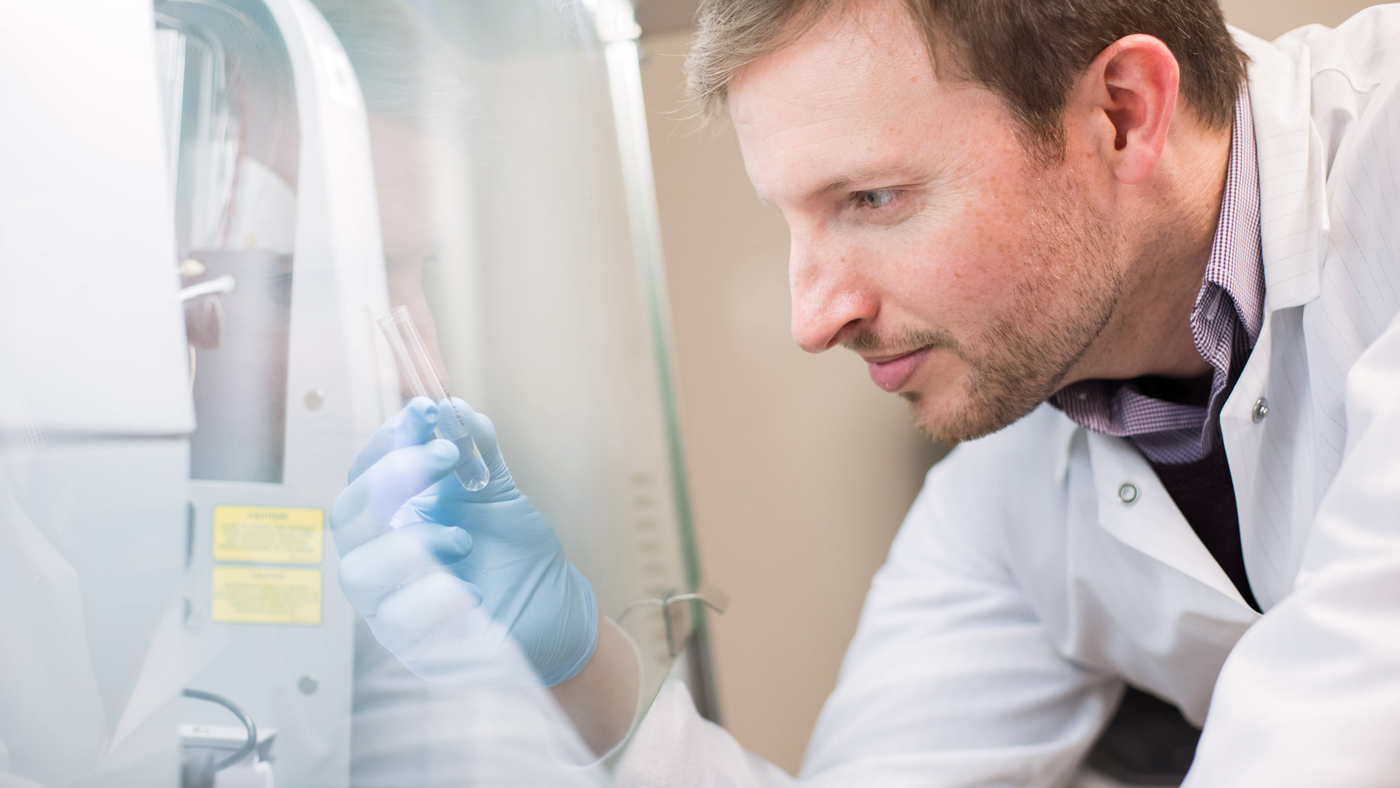
Scientists may have found a way around the limitations of engineered T cells by borrowing a few tricks from cancer itself.
The research, which appears in Nature, was conducted at UC San Francisco and Northwestern Medicine, and was co-led by Gladstone Affiliate Investigator Kole Roybal, PhD—an associate Professor of Microbiology and Immunology at UCSF, Center Director for the Parker Institute for Cancer Immunotherapy Center at UCSF, and a member of the Gladstone-UCSF Institute of Genomic Immunology.
By studying mutations in malignant T cells that cause lymphoma, the team zeroed in on one that imparted exceptional potency to engineered T cells used for cancer therapy. Inserting a gene encoding this unique mutation into normal human T cells, which play a key role in the immune system, made them more than 100 times more potent at killing cancer cells without any signs of becoming toxic.
While current immunotherapies work only against cancers of the blood and bone marrow, the T cells engineered by Northwestern and UCSF were able to kill tumors derived from skin, lung, and stomach in mice. The team has already begun working toward testing this new approach in people.
“Mutations underlying the resilience and adaptability of cancer cells can super-charge T cells to survive and thrive in the harsh conditions that tumors create,” says Roybal, co-senior author of the study.
“We used nature’s roadmap to make better T cell therapies,” says Jaehyuk Choi, MD PhD, an associate professor of Dermatology and of Biochemistry and Molecular Genetics at Northwestern University Feinberg School of Medicine, also a co-senior author. “The superpower that makes cancer cells so strong can be transferred into T cell therapies to make them powerful enough to eliminate what were once incurable cancers.”
A Solution Hiding in Plain Sight
Creating effective immunotherapies has proven difficult against most cancers because the tumor creates an environment focused on sustaining itself, redirecting resources like oxygen and nutrients for its own benefit. Often, tumors hijack the body’s immune system, causing it to defend the cancer, instead of attacking it.
Not only does this impair the ability of regular T cells to target cancer cells, it undermines the effectiveness of the engineered T cells that are used in immunotherapies, which quickly tire against the tumor’s defenses.
“For cell-based treatments to work under these conditions,” Roybal says, “we need to give healthy T cells abilities that are beyond what they can naturally achieve.”
The scientists screened 71 mutations found in patients with T cell lymphoma and identified which ones could enhance engineered T cell therapies in mouse tumor models. Eventually, they isolated one that proved both potent and non-toxic, subjecting it to a rigorous set of safety tests.
“We see this as the starting point. There’s so much to learn from nature about how we can enhance these cells and tailor them to different types of diseases.”
“Our discoveries empower T cells to kill multiple cancer types,” says Choi, a member of the Robert H. Lurie Comprehensive Cancer Center of Northwestern University. “This approach performs better than anything we’ve seen before.” Their discoveries can be incorporated into treatments for many types of cancer, the scientists said.
“T cells have the potential to offer cures to people who are heavily pretreated and have a poor prognosis,” Choi says. “Cell therapies are living drugs, because they live and grow inside the patient and can provide long-term immunity against cancer.”
In collaboration with the Parker Institute for Cancer Immunotherapy and the venture capital firm Venrock, Roybal and Choi are building a new company, Moonlight Bio, to realize the potential of their groundbreaking approach. They are currently developing a cancer therapy that they hope to begin testing in people within the next few years.
“We see this as the starting point,” Roybal says. “There’s so much to learn from nature about how we can enhance these cells and tailor them to different types of diseases.”
This article was adapted from a Northwestern Medical press release.
Up Next
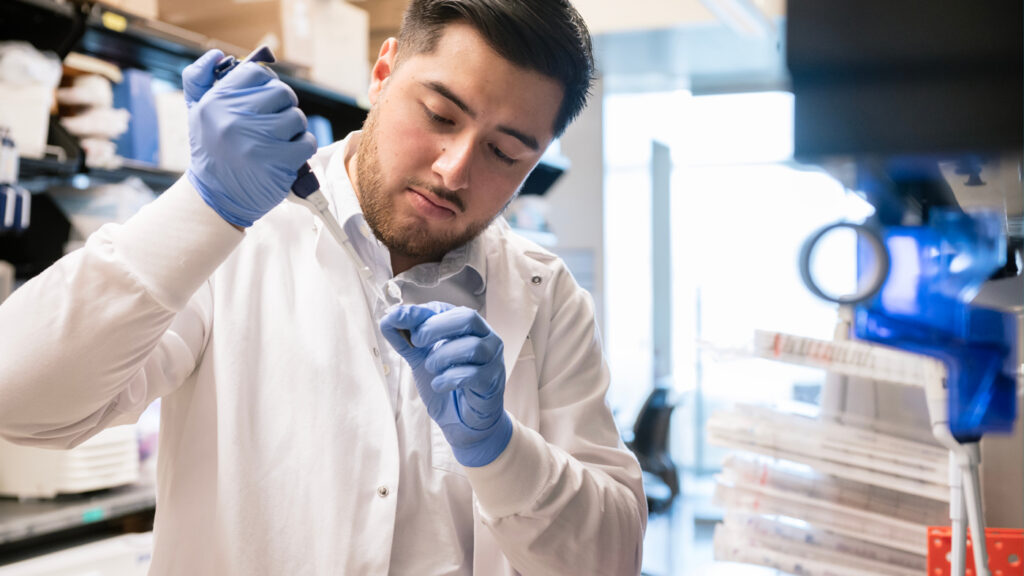
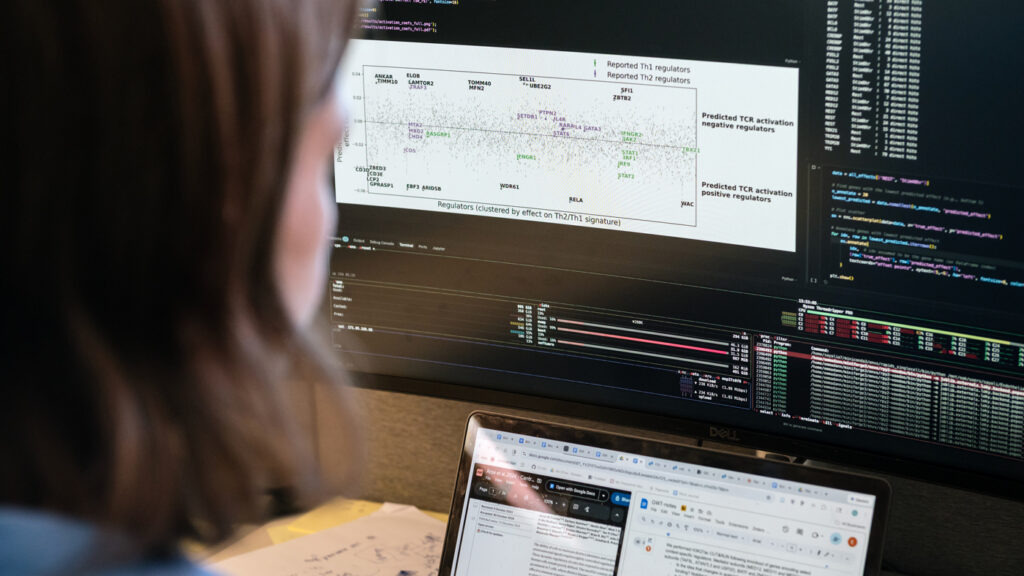
Scientists Decode Gene Circuits of Human Immunity, Fueling New Era of Disease Research
An unprecedented map of 22 million immune cells provides the functional rulebook for virtual biology and next-generation immunotherapies.
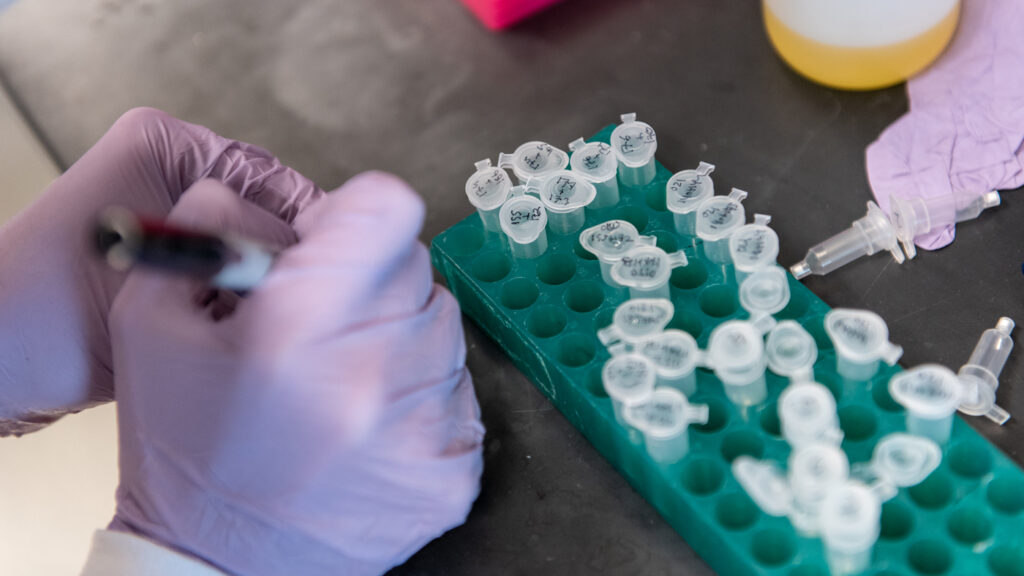
New Toolkit Turns Macrophages Into Better Cancer Fighters
Gladstone and UCSF scientists developed a method to genetically edit myeloid cells, immune cells that act as the body’s first responders.
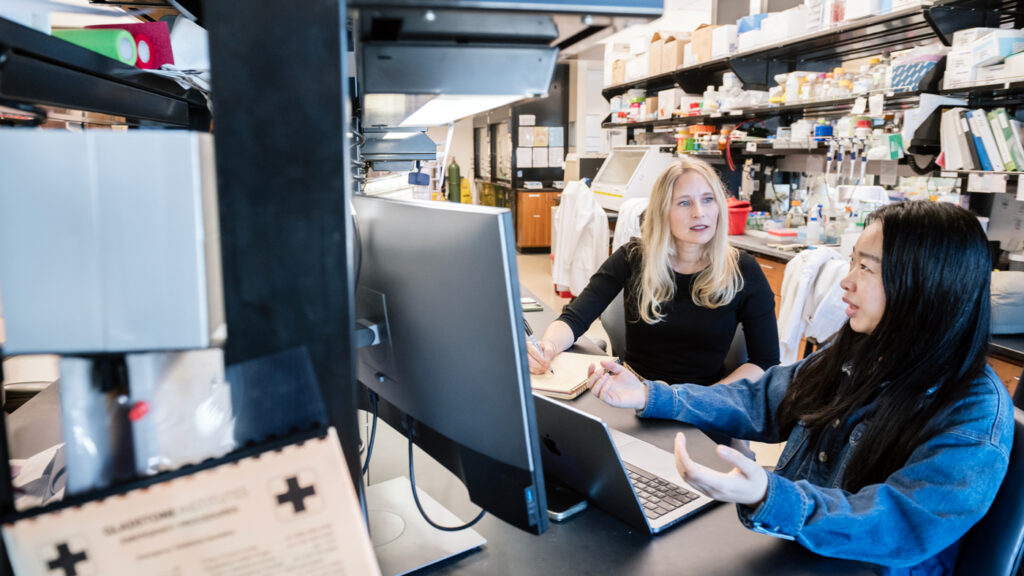
New CRISPR Screening Platform Boosts Power of Immunotherapy Against Solid Tumors
A new screening platform uncovers gene edits that enhance CAR-T cells’ ability to infiltrate and eliminate solid tumors.
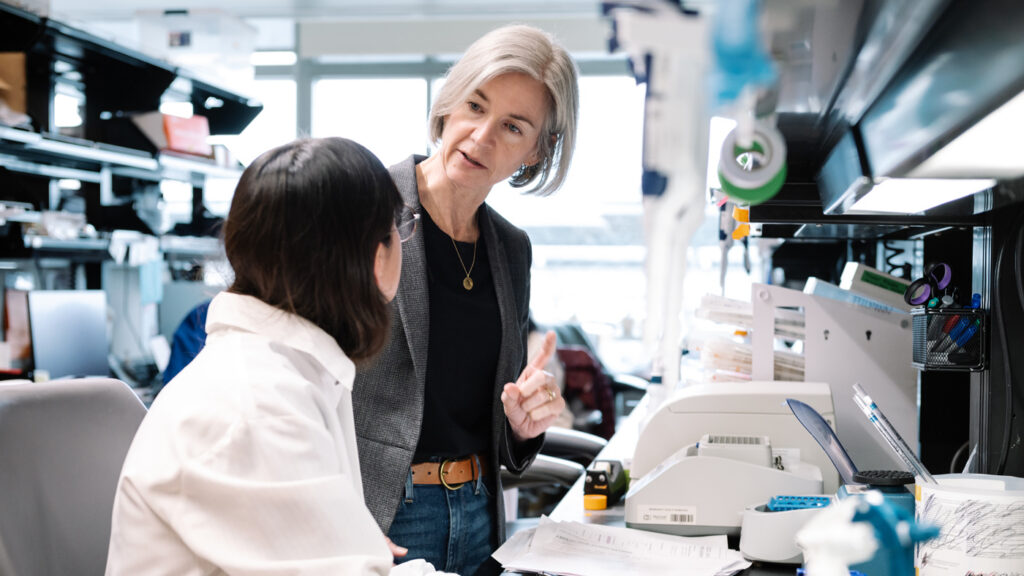
New CRISPR Technique Selectively Shreds Cancer Cells, Including Those of ‘Undruggable’ Cancers
An innovative chromatin-shredding technique shown to destroy cancer cells carrying a prevalent mutation while keeping healthy cells intact.

Get Involved
Join the Team
Our people are our most important asset. We offer a wide array of career opportunities both in our administrative offices and in our labs.
Open PositionsPartner With Us
Discoveries don’t stay in our labs. Gladstone facilitates spinout companies to advance promising therapies, shortening the path between scientific discovery and helping real patients.
Learn MoreGive
Your gift to Gladstone will allow our researchers to pursue high-quality science, focus on disease, and train the next generation of scientific thought leaders.
Donate Now