Gladstone’s Deepak Srivastava Honored as Most Admired CEO by San Francisco Business Times

The San Francisco Business Times has named Gladstone Institutes President Deepak Srivastava, MD, as one of the Most Admired CEOs among Bay Area businesses and nonprofits. In an article now appearing in the weekly publication, Srivastava is noted for his inspiring leadership style and ability to successfully navigate both the nonprofit research landscape and the startup biotech world.
Srivastava has led Gladstone since 2018, the third president in the organization’s history. But he’s played an instrumental role at Gladstone for nearly 20 years, having joined as director of the Gladstone Institute of Cardiovascular Disease in 2005. In addition to serving as president, Srivastava is a senior investigator at Gladstone, running a 20-person lab focused on gene networks that guide the development of the heart; his lab’s discoveries have shed new light on genetic drivers of heart disease and uncovered novel strategies for repairing heart damage.
Srivastava also is director of the Roddenberry Stem Cell Center at Gladstone and holds the title of Robert W. and Linda Mahley Distinguished Professor. Additionally, he is a professor at UC San Francisco and an attending physician in pediatric cardiology at UCSF Benioff Children’s Hospitals.
“Deepak is a natural leader who very quickly engendered the trust and respect of all the faculty and administration here at Gladstone,” says Robert Mahley, MD, PhD, president emeritus and founder of Gladstone, and a senior investigator in the Gladstone Institute of Neurological Disease. “He’s leading a group of highly motivated people, including some of the most brilliant scientists in the world, which is not a job for just anyone. And he’s able to do that successfully while also engaging with the larger scientific world and the Bay Area community.”
Gladstone, known for its explicit focus on disease research, is composed of five deeply interconnected institutes specializing in the areas of cardiovascular disease, neurology, virology, immunology, and data science and biotechnology. The organization’s more-than 600 biologists, chemists, engineers, and data scientists bring a deeply mechanistic understanding of how the human body works and what goes wrong in disease. But they don’t stop there; driven by the potential to save human lives, they work to advance their discoveries into the clinic in the form of new treatment approaches or even cures.
“We’re living in an extraordinary time for science and medicine. For the first time, it’s realistic to contemplate cures, not just treatments…and I have never been more hopeful about the future we can create.”
Among Srivastava’s most admirable leadership qualities, says Mahley, are his ability to build momentum around the organization’s disease-focused mission and create consensus among Gladstone’s diverse team of scientists and staff: “He solicits opinions and is exceptionally good at listening. He works to ensure a very inclusive leadership.”
A key to Gladstone’s success has been Srivastava’s ability to identify and recruit extraordinary talent, including two scientists, Shinya Yamanaka, MD, PhD, and Jennifer Doudna, PhD, who subsequently received Nobel prizes for their discoveries in stem cell biology and gene editing, respectively.
On top of this, Srivastava has a keen sense of how to translate scientific findings into therapies that will benefit patients. In 2016, he joined with fellow Gladstone scientists and local venture capitalists to launch Tenaya Therapeutics, a biopharmaceutical company that’s advancing cardiovascular discoveries made at Gladstone. The company, focused on regenerative medicine and drug discovery for heart failure, now has multiple programs in clinical stages. Srivastava serves on Tenaya’s board of directors and chairs the scientific advisory board.
“The Bay Area is a beacon for the world’s business elite, so to be named among the San Francisco Business Times’ most admired leaders is one of the best compliments I could receive,” Srivastava says. “I feel grateful every day that I have the opportunity to lead Gladstone during this pivotal time for human health. Very few places in the country have Gladstone’s caliber of science, the collaborative culture, and the resources we have to change the future of medicine. It’s so much more than a job to me. It’s the potential to save lives.”
Srivastava has laid out ambitious plans for the future growth of Gladstone, with goals to add considerable lab space and hundreds of new scientists, as well as expanded capabilities in AI and clinical translation.
“We’re living in an extraordinary time for science and medicine,” Srivastava says. “Advances in genetic engineering, AI, and stem cell biology are changing what’s possible for human health—and, for the first time, it’s realistic to contemplate cures, not just treatments. Gladstone is at the forefront of this revolution, and I have never been more hopeful about the future we can create.”
The San Francisco Business Times will honor Srivastava at its Most Admired CEOs gala on May 16.
Up Next
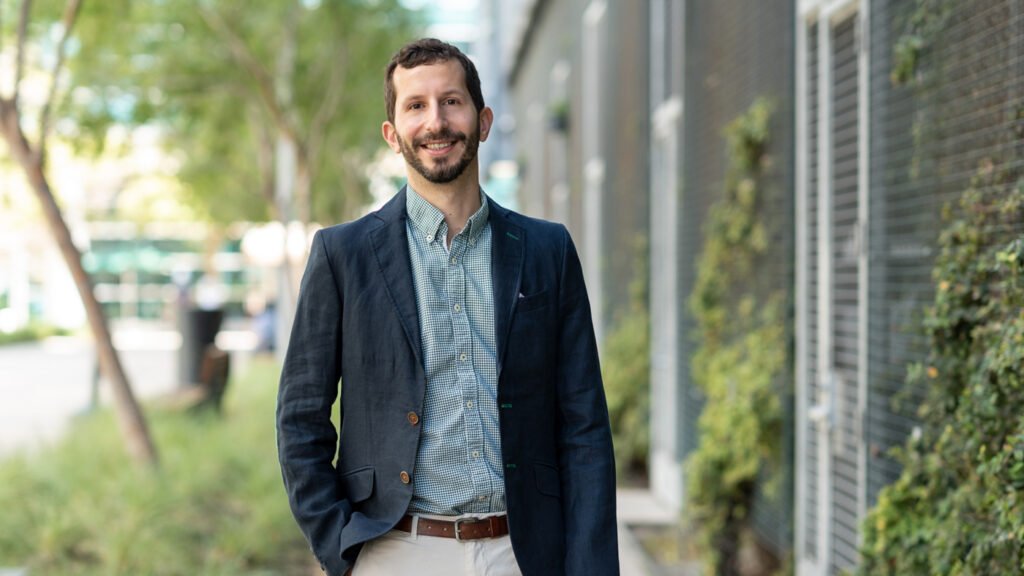
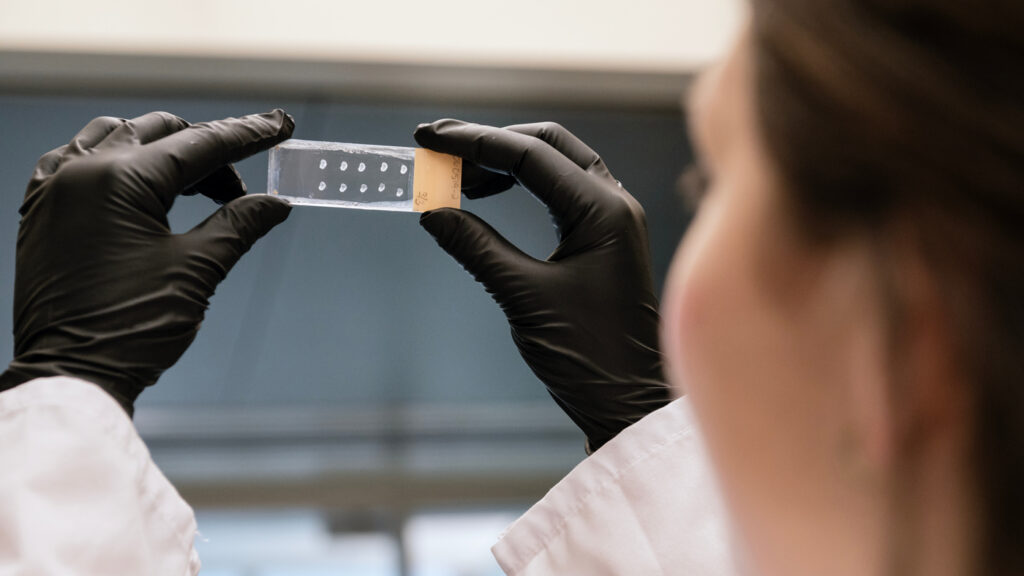
Engineered Human Neurons Rebuild Damaged Spinal Cord Circuits
Gladstone scientists show that stem cell-derived spinal neurons can integrate into damaged neural networks in rats and improve breathing-related motor function after a traumatic spinal cord injury.

American Heart Association Honors Benoit Bruneau with 2026 Distinguished Scientist Award
Bruneau, director of the Gladstone Institute of Cardiovascular Disease, will receive the association’s highest scientific honor in November.
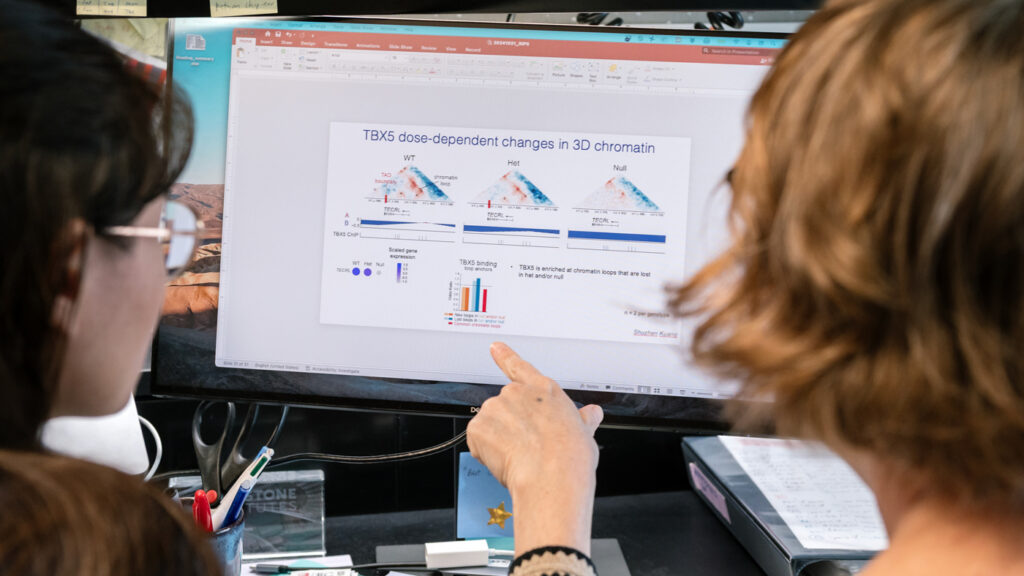
Misfolded DNA Blueprint: A New Origin for Genetic Disease
Gladstone researchers found losing just one copy a particular gene can disrupt heart development and lead to congenital heart disease.
How AI Is Pinpointing the Genetic Cause of Disease
Scientists at Gladstone are combining AI models with cutting-edge lab tools to finally make sense of the human genome.

Get Involved
Join the Team
Our people are our most important asset. We offer a wide array of career opportunities both in our administrative offices and in our labs.
Open PositionsPartner With Us
Discoveries don’t stay in our labs. Gladstone facilitates spinout companies to advance promising therapies, shortening the path between scientific discovery and helping real patients.
Learn MoreGive
Your gift to Gladstone will allow our researchers to pursue high-quality science, focus on disease, and train the next generation of scientific thought leaders.
Donate Now