Science in Seconds | Gladstone Researchers Develop a New Low-Oxygen Therapy
Isha Jain, PhD, and her team developed a drug that mimics the effects of breathing low oxygen, which could be life-saving for people with mitochondrial diseases who rarely survive past childhood. In mice with Leigh Syndrome—the most common childhood mitochondrial disease—the drug extended lifespan three-fold and reversed symptoms, even when given during late stages of disease. The new drug shows the promise of gas-based therapies for mitochondrial diseases and other common brain and cardiovascular conditions for which low oxygen has been shown to be beneficial.
In this video, Jain and research associate Skyler Blume explain the science behind their discovery and the impact it could have for mitochondrial diseases. Read more about this discovery.
Up Next


Controlling Oxygen to Fight Disease
New research shows low oxygen can help alleviate disease caused by defects in a mitochondrial quality control machinery.

Vitamin B3 Therapy Offers Hope for Fatal Childhood Disease
A new framework that matches vitamins with genetic diseases helped uncover that high-dose vitamin B3 can dramatically extend survival in mice with NAXD deficiency.
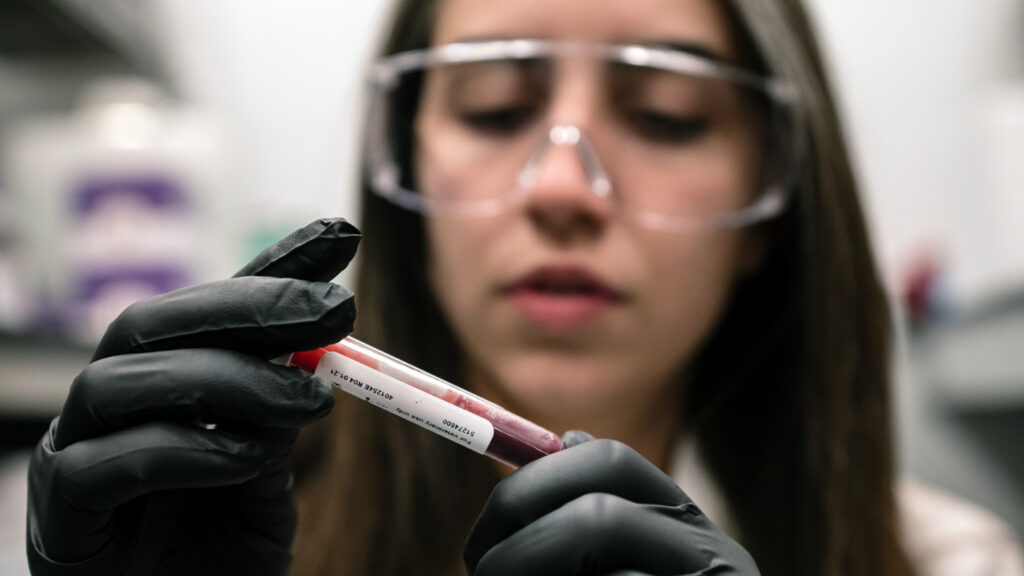
Red Blood Cells Soak Up Sugar at High Altitude, Protecting Against Diabetes
New study shows red blood cells act as hidden glucose sponges in low-oxygen conditions, explaining why people living at high altitude have lower diabetes rates and pointing toward new treatments.

Gladstone’s Scientific Highlights of 2025
From fundamental insights to translational advances, here’s how Gladstone researchers moved science forward in 2025.

Get Involved
Join the Team
Our people are our most important asset. We offer a wide array of career opportunities both in our administrative offices and in our labs.
Open PositionsPartner With Us
Discoveries don’t stay in our labs. Gladstone facilitates spinout companies to advance promising therapies, shortening the path between scientific discovery and helping real patients.
Learn MoreGive
Your gift to Gladstone will allow our researchers to pursue high-quality science, focus on disease, and train the next generation of scientific thought leaders.
Donate Now