1. Trainee Education and Development
  2. PUMAS Summer Internship Program

PUMAS Summer Internship Program

PUMAS is Gladstone’s flagship internship program designed to support and mentor community college students, providing them with hands-on research experience and a pathway into the sciences.

The PUMAS program, established in 2014, is funded by the National Heart, Lung, and Blood Institute of the National Institutes of Health. The principal investigators of the grant are Melanie Ott, MD, PhD, Senior Investigator and Director of the Gladstone Infectious Disease Institute, and Sudha Krishnamurthy, BDS, PhD, Senior Director, Research Training and Professional Development.
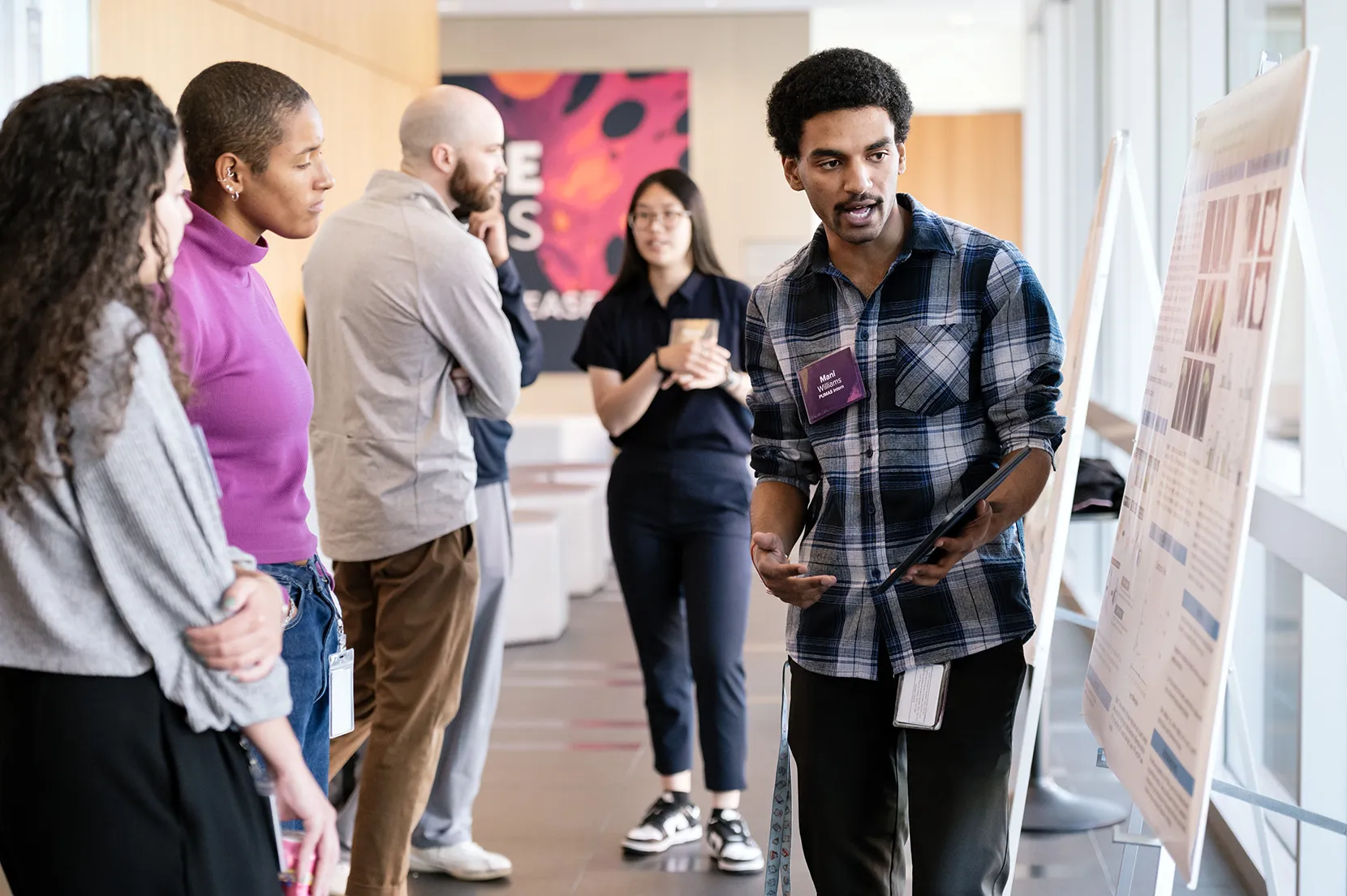
As a PUMAS intern you’ll:

As a PUMAS intern you’ll:

  • Gain hands-on lab experience in state-of-the-art facilities.
  • Work with a scientific mentor(s) on an independent research project.
  • Network with researchers including investigators, graduate students, and postdocs.
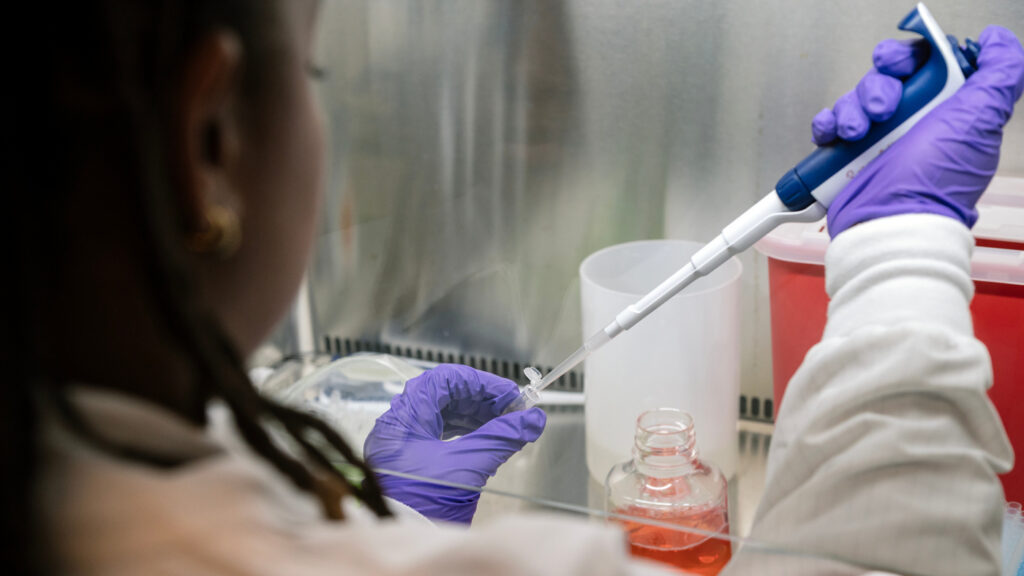
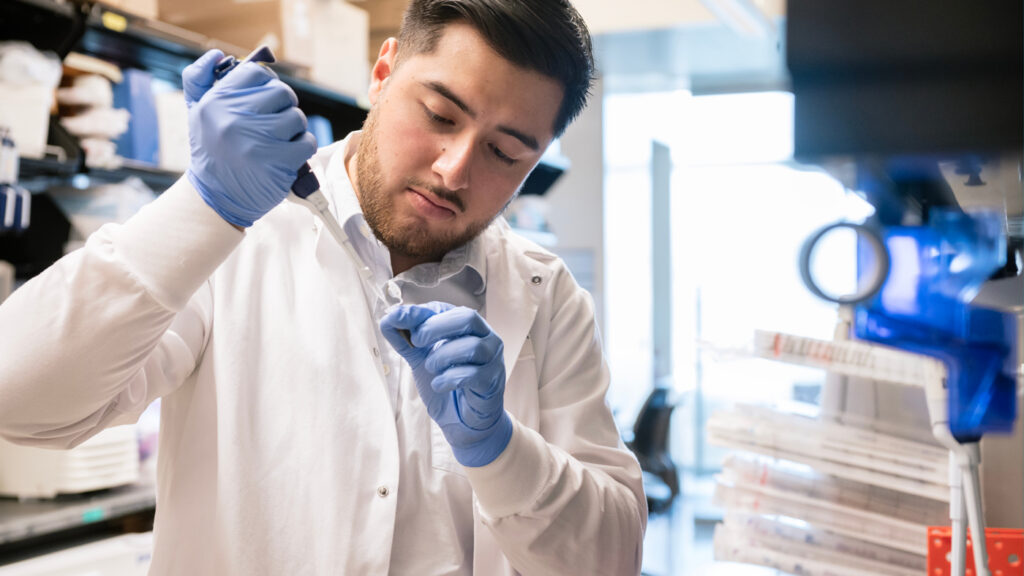
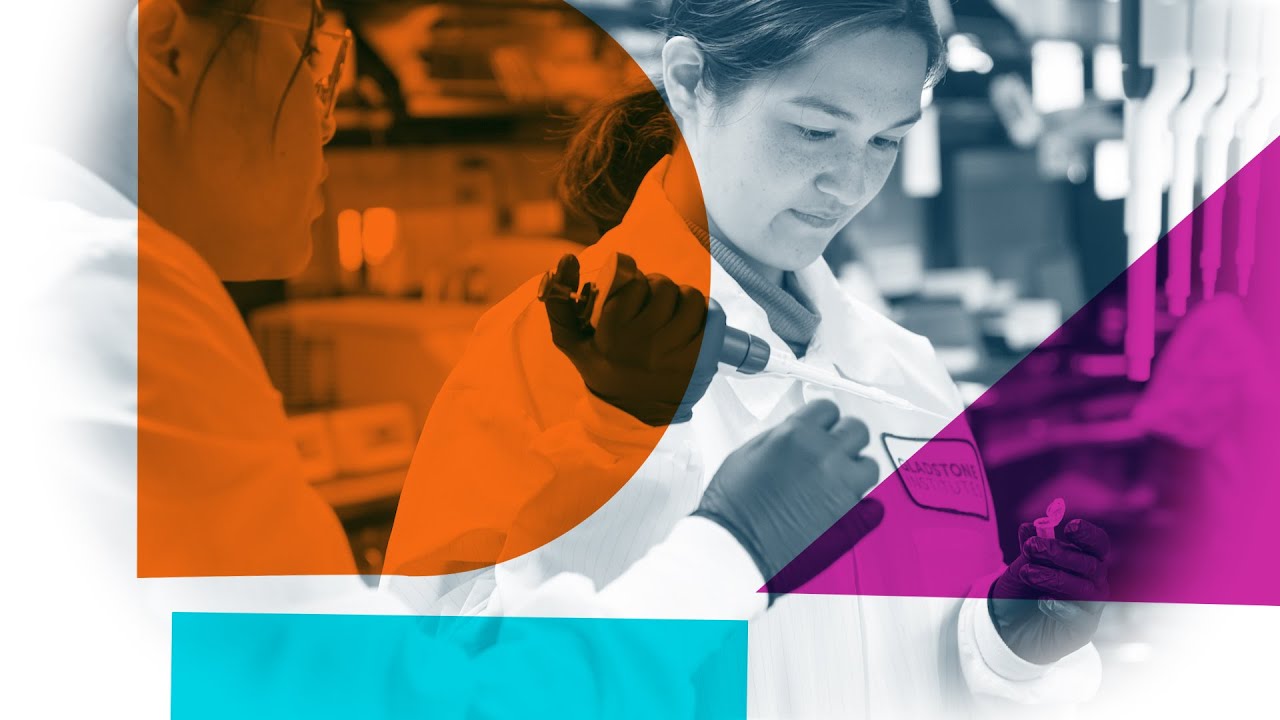
  • Learn lab skills and techniques, including etiquette, safety, and pipetting basics.
  • Improve public speaking and communication skills with workshops.
  • Increase your understanding of different career paths in science.
  • Learn what it means to be a scientist and get paid for your work.

Eligibility Requirements

To be eligible, you must:

  • Be a United States citizen or permanent resident.
  • Be currently enrolled as a community college student who is planning to transfer to a four-year institution to pursue a bachelor’s degree in science, technology, engineering, or mathematics (STEM).
  • Be 18 years of age or older.
  • Have successfully completed at least two semesters of college-level science courses with a lab component (chemistry and molecular biology preferred, but not required), before the start of the internship.
  • Have a minimum cumulative grade point average (GPA) of 2.50.

In-state candidates are preferred and prior PUMAS interns are encouraged to apply.

PUMAS Over the Years

of alumni are pursuing or working in STEM or health fields

increase in STEM contacts

Interns reported a stronger scientist identity, greater confidence, and improved career readiness

Floating Chromosome