
Leading the Way to Better Treatments for People with Epilepsy
Gladstone researchers harness unique tools and perspectives to study life-threatening seizures that lack a cure
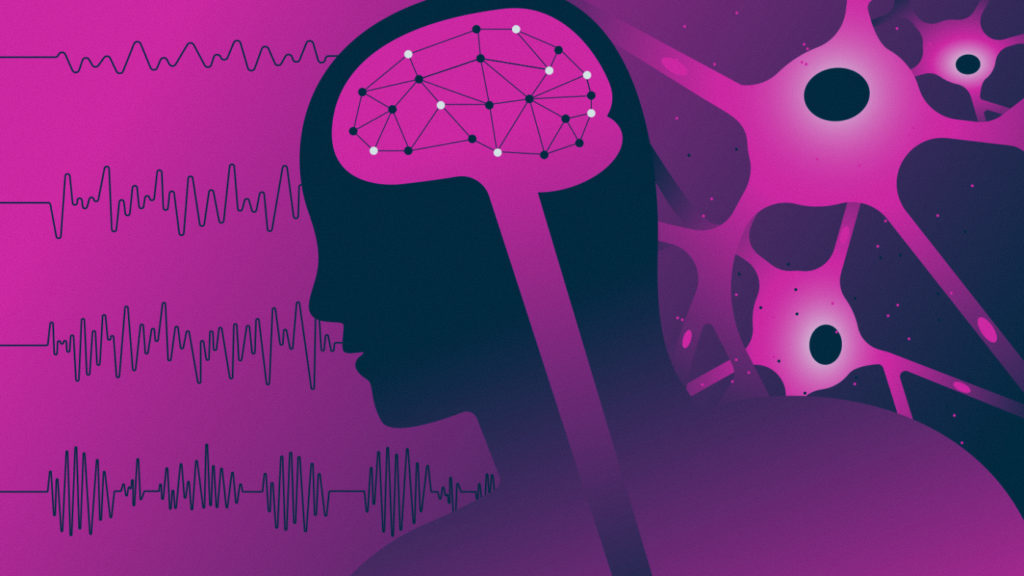
While symptoms are typically consistent for an individual during an episode, seizures are highly unpredictable, disruptive, and can be life-threatening.
Worldwide, an estimated 50 million people have epilepsy—including more than 3 million Americans—making it one of the most common neurological disorders. It affects people of all ages, genders, and backgrounds. Epilepsy can develop on its own or arise alongside other brain conditions, such as traumatic brain injury, stroke, Alzheimer’s disease, autism, or cerebral palsy.
There is currently no cure for epilepsy. Existing medications only suppress seizure symptoms rather than treating the underlying disease process, and roughly one in three patients do not respond to available drugs. For many others, anti-seizure medications come with severe, life-altering side effects, underscoring the urgent need for targeted therapies that address the root causes of the disorder.

Epilepsy can have genetic causes or develop following a brain injury, stroke, or infections. In a healthy brain, billions of nerve cells communicate through organized electrical signals. A seizure occurs when brain circuits suddenly fire in abnormal, hyper-synchronized bursts—much like an electrical storm—disrupting normal brain function.
In genetic forms of epilepsy, mutations alter key cellular components such as ion channels, chemical transporters, and gene regulators, disrupting the balance of signaling in the brain. When epilepsy develops after a brain injury or stroke, structural changes and immune responses alter brain networks over time.
For scientists, a major hurdle is disentangling protective signals that help heal the brain from harmful ones that destabilize circuits and trigger seizures. Gladstone researchers are mapping these underlying mechanisms to understand how seizures begin and spread, opening the door to targeted therapies that address the root causes of the disorder rather than just masking symptoms.
Gladstone researchers are working to understand why seizures develop and how they can be prevented or treated—both in primary epilepsies and in neurodegenerative conditions that can be accompanied by epileptic activity. Scientists are identifying specific cell types and brain circuits that drive abnormal electrical activity, exploring ways to restore genes linked to childhood epilepsies, and untangling how neurodegeneration and subsequent immune responses lead to long-term seizure disorders. Researchers are also uncovering molecular and cellular connections between epilepsy and diseases such as Alzheimer’s, with the goal of developing treatments that could stop the disruptive epileptic activity, protect memory and slow cognitive decline.

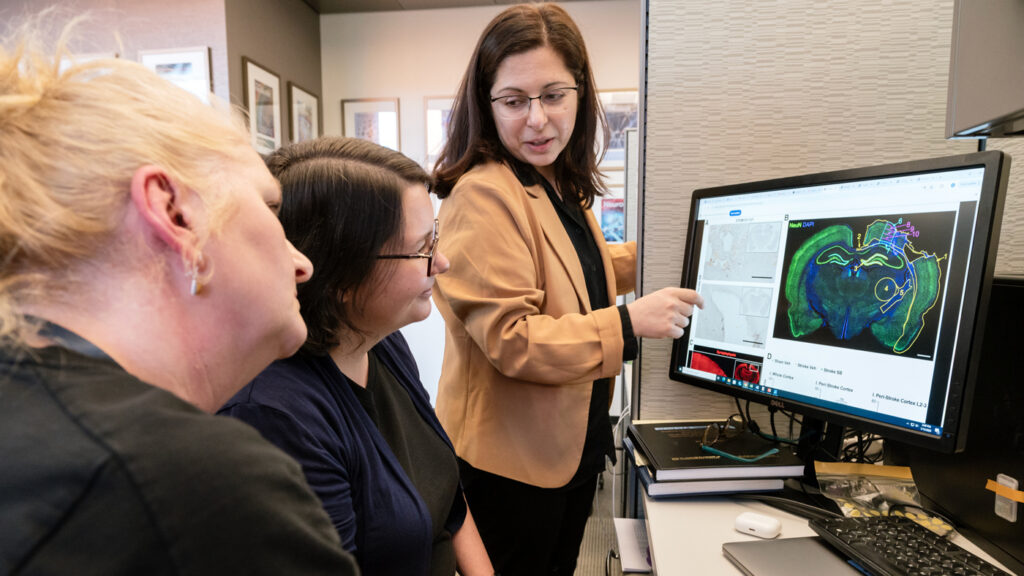
Jeanne Paz conducts fundamental neuroscience research to uncover how brain circuits misfire in genetic childhood epilepsies and following brain trauma or stroke. Using electrical brain mapping to record neural activity across many brain networks at once, her lab identifies “hot spots,” such as the thalamus, a brain region where electrical storms often originate—revealing the fundamental mechanisms of circuit dysfunction, so targeted therapies can eventually be developed. Her lab also applies cutting-edge research tools, including wireless optogenetics and engineered cell platforms, to precisely manipulate overactive brain circuits and identify therapeutic entry points.
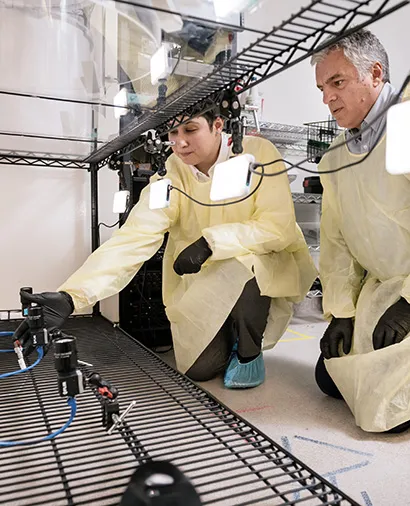
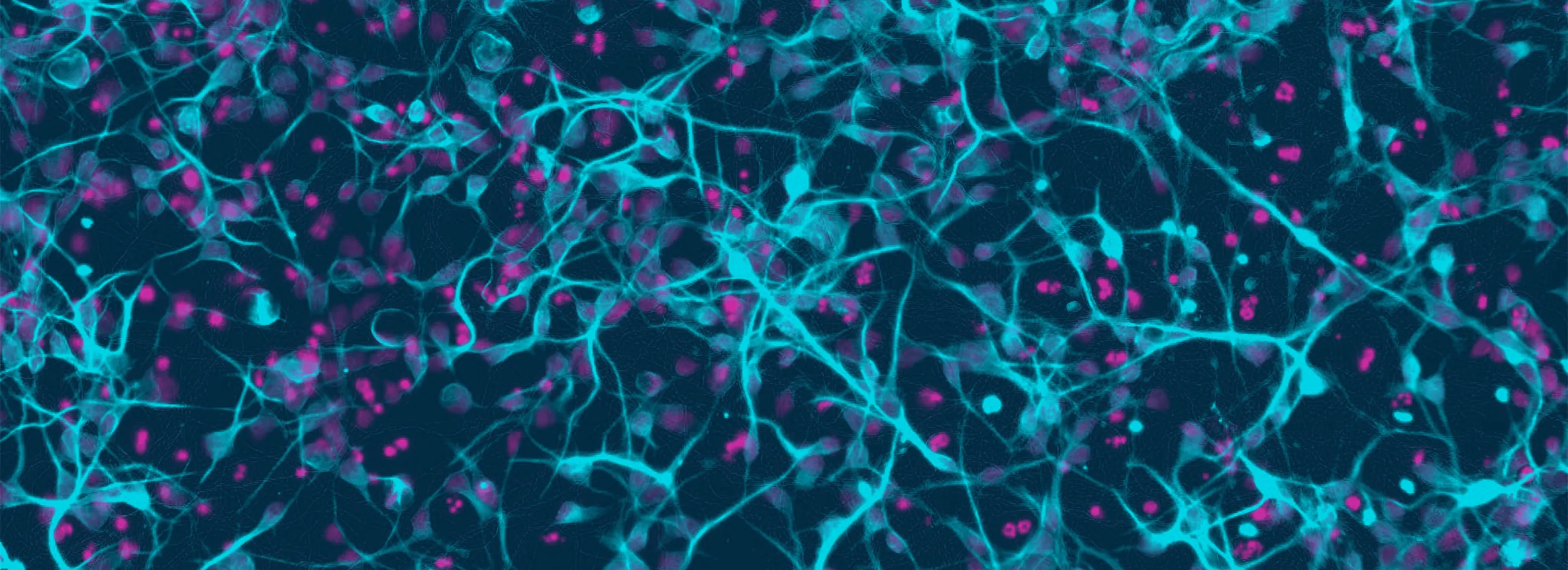
Jorge Palop’s lab is studying the connection between epilepsy and neurodegenerative conditions such as Alzheimer’s disease. His lab focuses on “inhibitory interneurons,” an important regulatory type of brain cells that stabilizes the activity of neuronal networks. Therapeutic interventions that boost these neurons or mimic their effects may eventually stem epileptic activity in Alzheimer’s patients and slow their cognitive decline by preventing disruptions of beneficial brain rhythms.
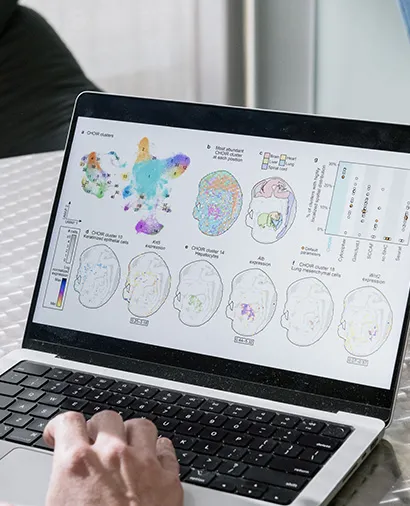
Lennart Mucke and his coworkers discovered that Alzheimer’s patients who have subtle forms of epileptic activity—mostly in their sleep—experience a faster cognitive decline than patients without this activity. Clinical trials are now underway with known anti-epileptic drugs to see whether they reduce both epileptic activity and mental decline. Mucke’s team also showed that lowering the tau protein in the brain can reduce epileptic activity and cognitive dysfunction in mouse models of Alzheimer’s and autism. Clinical trials of tau-lowering drugs have shown promising effects in patients in early stages of Alzheimer’s disease.

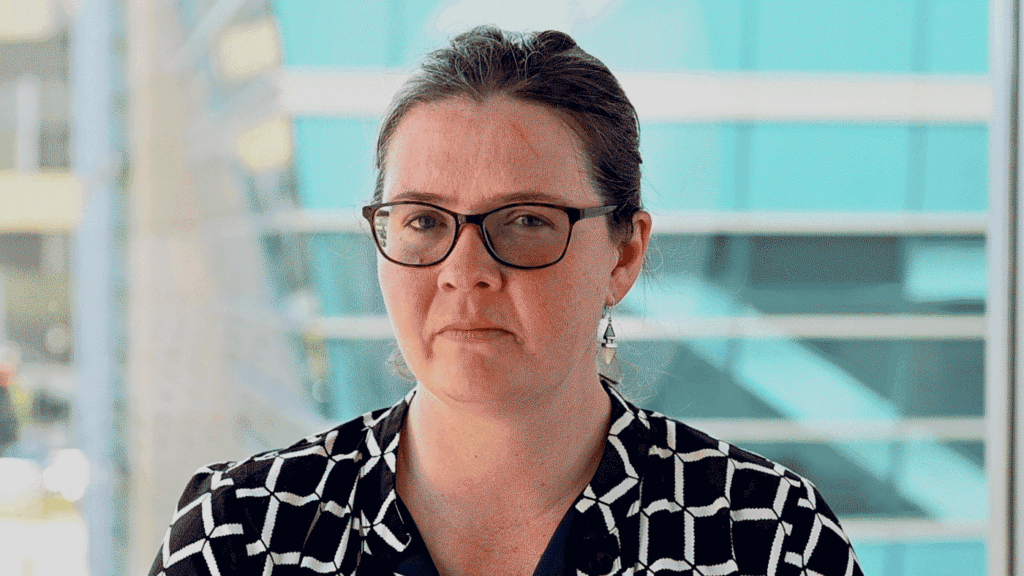
In honor of National Epilepsy Awareness Month, Postdoctoral Scholar Britta Lindquist shares how her past experiences in medical school brought her to study epilepsy.
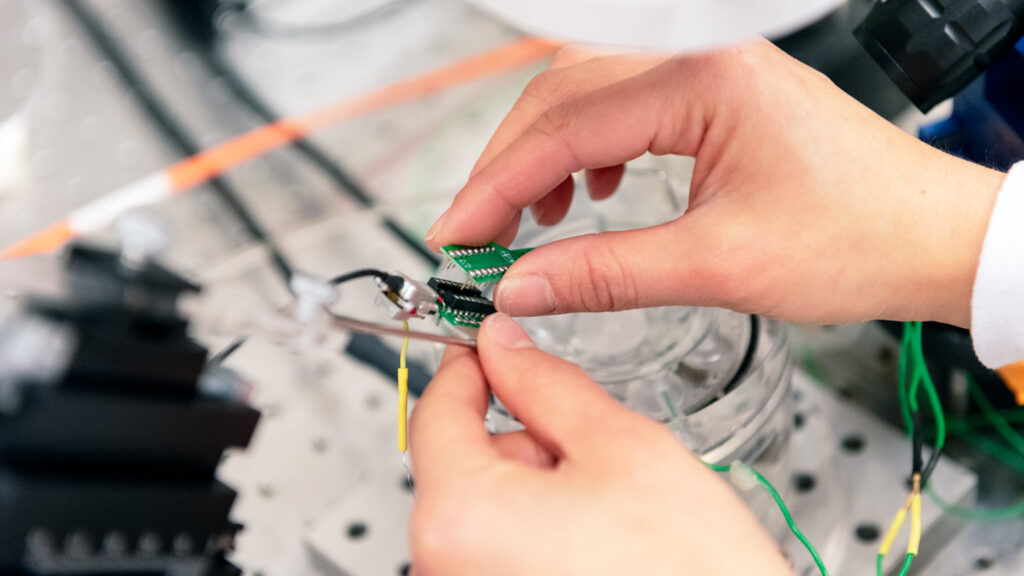
Study suggests that targeting a protein in the thalamus could block the long-term damage that follows brain injuries

Gladstone scientists show that reducing levels of the protein tau soon after birth can prevent these conditions in an experimental model

Gladstone scientists help explain how reducing the protein tau can prevent abnormal brain activity associated with Alzheimer’s disease, autism, and epilepsy

Our people are our most important asset. We offer a wide array of career opportunities both in our administrative offices and in our labs.
Open PositionsDiscoveries don’t stay in our labs. Gladstone facilitates spinout companies to advance promising therapies, shortening the path between scientific discovery and helping real patients.
Learn MoreYour gift to Gladstone will allow our researchers to pursue high-quality science, focus on disease, and train the next generation of scientific thought leaders.
Donate Now