New CRISPR Technique Selectively Shreds Cancer Cells, Including Those of ‘Undruggable’ Cancers
An innovative chromatin-shredding technique shown to destroy cancer cells carrying a prevalent mutation while keeping healthy cells intact.
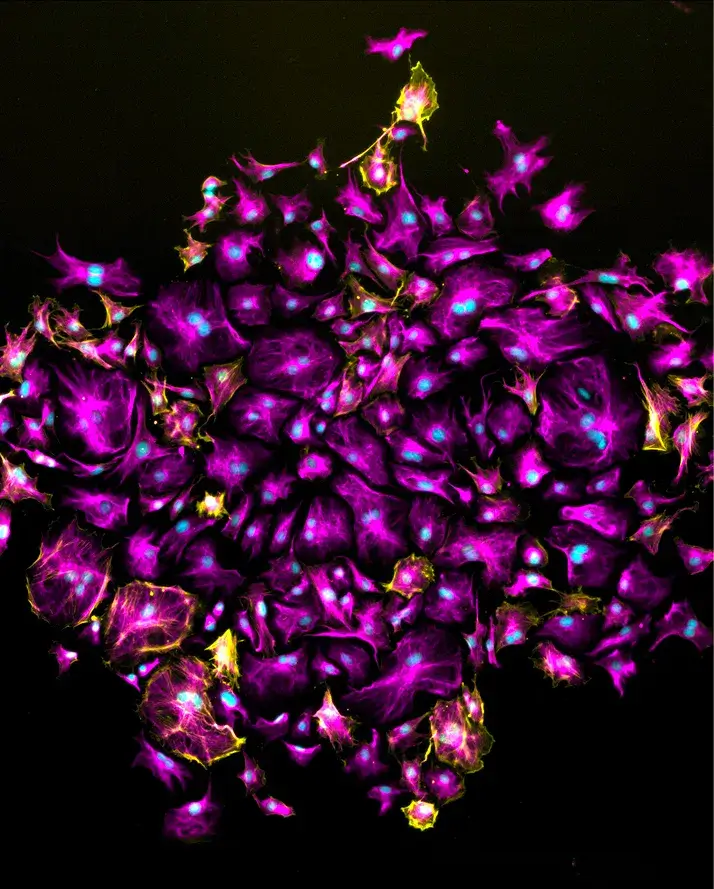
Researchers use CRISPR to investigate the genetic causes of conditions ranging from heart disease and cancer to neurological disorders and rare inherited diseases. Beyond helping scientists understand how genes influence health and disease, CRISPR is also beginning to power new treatments. By correcting harmful genetic mutations, the technology has the potential to address the root causes of many diseases and usher in a new era of precision medicine.
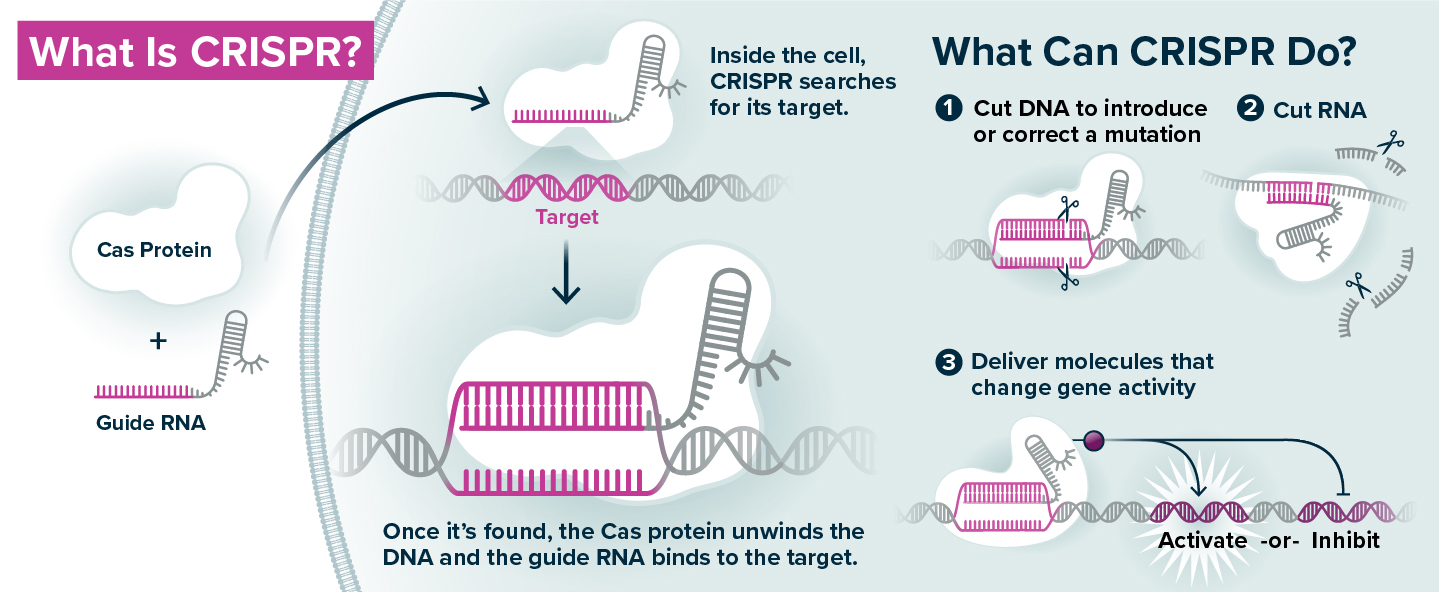
CRISPR relies on two key components: a guide RNA, which acts like a GPS address, and a Cas protein, which functions like molecular scissors. The guide RNA directs the Cas protein to a specific location in a cell’s DNA, where the protein can cut the genetic material with remarkable precision. Scientists can then remove, repair, or replace sections of DNA at that location.
Since Jennifer Doudna and colleagues first demonstrated this bacterial system could be adapted to edit the genome, researchers have expanded CRISPR far beyond simply cutting DNA. New versions can switch genes on or off without altering the genetic sequence, while others can target RNA—the cell’s working copy of DNA’s instructions—instead of DNA. These advances allow scientists to systematically study the role of nearly every gene in the genome and better understand the biological pathways that drive disease.
CRISPR is also beginning to move from the laboratory into the clinic. For example, health care professionals can now treat sickle cell disease by removing blood-forming stem cells from a patient’s body, editing the cells’ DNA in the lab, and infusing the corrected cells back into the patient. As researchers continue to improve the safety and precision of CRISPR, the technology is expected to play an increasingly important role in developing therapies for a wide range of genetic diseases.
While CRISPR has the potential to transform medicine, it also raises important ethical questions about how and when gene editing should be used. Most scientists support using CRISPR to treat diseases in children and adults by editing cells that are not passed on to future generations. These approaches, known as somatic gene editing, could help correct the genetic causes of many serious illnesses.
Greater debate surrounds germline editing, which involves making genetic changes to embryos that can be inherited by future generations. In 2018, a researcher in China claimed to have created the first gene-edited babies, sparking widespread concern among scientists and ethicists. Jennifer Doudna and other leaders in the field criticized the work as premature, citing unanswered questions about safety, oversight, and long-term consequences. Many researchers argued the experiment violated a global consensus that human germline editing should not proceed until the technology is better understood and society has had a chance to weigh its implications.
Doudna and other Gladstone scientists, concerned that future CRISPR-based therapies could widen health disparities by becoming expensive or difficult to obtain, are also focused on helping ensure these treatments are equitable and easily accessible by all patients who could benefit from them. As CRISPR technologies continue to advance, scientists, policymakers, and patient advocates are working together to establish ethical guidelines that balance innovation with safety, transparency, and public trust.
Gladstone researchers have been at the forefront of the CRISPR revolution from the beginning, when Doudna’s groundbreaking work transformed a bacterial defense system into one of the most powerful tools in modern biology.
Today, scientists across Gladstone not only use CRISPR, but also seek to improve CRISPR technologies, with the goal of better understanding disease, developing new diagnostics, and designing next-generation therapies. By combining expertise in genomics, immunology, neuroscience, virology, and stem cell biology, they are advancing gene-editing approaches that could lead to more precise treatments for conditions ranging from cancer and HIV to Alzheimer’s disease and other neurodegenerative disorders.
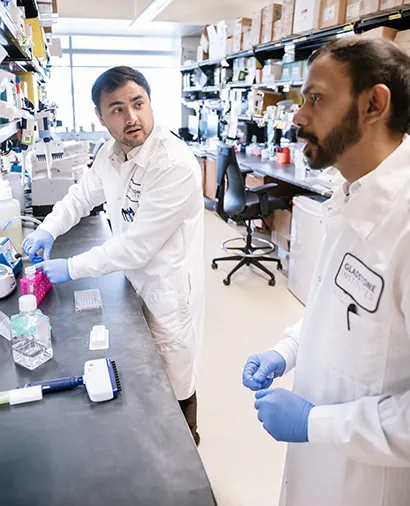
Alex Marson and his team have adapted CRISPR technology to precisely modify T cells, key cells of the immune system. By editing genes that control how T cells recognize and respond to disease, his team is developing more effective cell-based therapies for cancer, autoimmune disorders, and other conditions. This work is helping researchers understand immune cell biology while advancing next-generation immunotherapies.
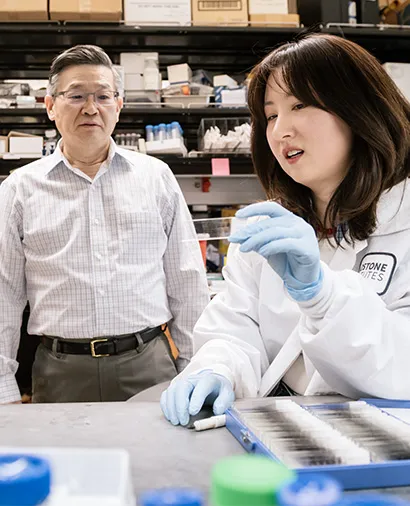
A group led by Yadong Huang is using CRISPR to investigate genetic factors that increase the risk of Alzheimer’s disease. His team studies ApoE4, the strongest known genetic risk factor for the disease, to better understand how it contributes to neurodegeneration. By editing disease-associated genes in human cells, researchers can explore new strategies for preventing or slowing Alzheimer’s progression.
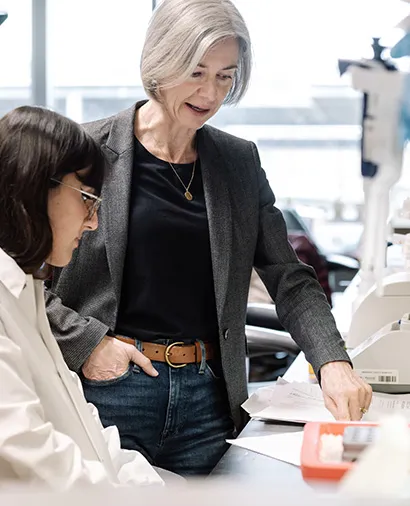
Jennifer Doudna and her team continue to study the natural CRISPR-Cas system in bacteria to understand how it recognizes and destroys invading viruses. Insights from this work are helping scientists engineer new versions of CRISPR with improved precision, efficiency, and specialized capabilities for research and therapeutic applications.
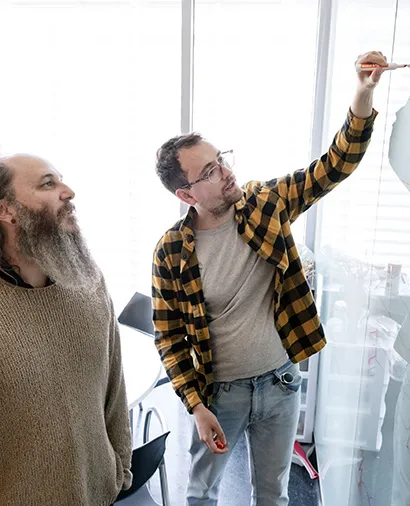
Seth Shipman is exploring how CRISPR can be used as a biological recording device. His lab has developed systems that allow cells to create a genetic record of events occurring over time, essentially functioning as a molecular “logbook.” These technologies could help scientists track how cells develop, respond to stress, or change during disease progression.
Bruce Conklin uses CRISPR to inactivate disease-causing mutations in human cells while developing computational tools that improve the technology’s accuracy. Conklin’s team focuses on developing therapeutic editing approaches to motor neuron disease, ALS and heart failure. His team also helped pioneer CRISPR interference (CRISPRi), a method that can reversibly switch genes off without altering the underlying DNA sequence, creating new opportunities for studying disease and developing therapies.
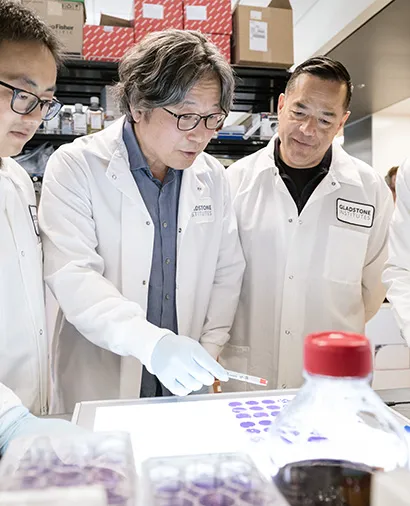
Melanie Ott is investigating whether CRISPR can help achieve a functional cure for HIV. Rather than removing viral DNA from infected cells, her team is using modified CRISPR systems to permanently silence the virus, preventing it from reactivating after treatment. In collaboration with Jennifer Doudna’s team, they are also exploring using CRISPR to eliminate infected cells. This approach could offer a new strategy for combating a disease that has remained difficult to cure for decades.
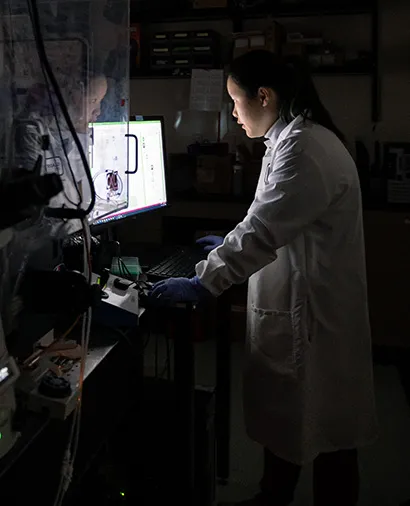
Steve Finkbeiner combines CRISPR with patient-derived induced pluripotent stem cells to study neurological disorders such as Alzheimer’s disease, Parkinson’s disease, and ALS. By editing genes in these cells, his team can better understand how the diseases develop and identify potential therapeutic targets.
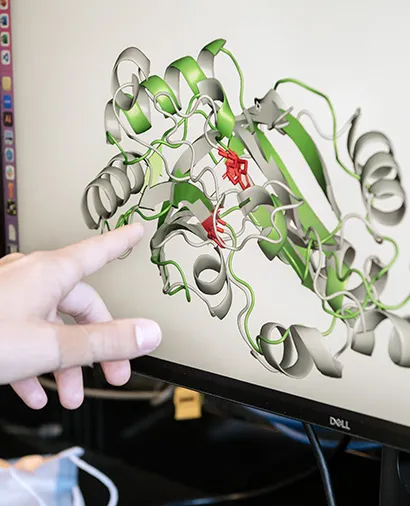
During the COVID-19 pandemic, scientists including Jennifer Doudna and Melanie Ott helped develop a CRISPR-based diagnostic test for SARS-CoV-2. The project demonstrated how CRISPR can be used not only to edit genes, but also to rapidly detect viruses and other biological markers, opening new possibilities for future diagnostic technologies.
The team led by Seth Shipman is combining CRISPR with retrons—DNA-making machinery from bacterial immune systems—to power more precise genome editing. They use retrons to manufacture DNA “repair templates” right where CRISPR makes its cuts, boosting the output of DNA 10-fold. Their platform can edit genes more efficiently than current approaches across organisms, from fungi to human cells. They continue to search for natural retron variants that edit human cells faster and more accurately, a step toward better gene therapies.
Julia Carnevale, MD
Affiliate Investigator

Bruce Conklin, MD
Senior Investigator

Jennifer Doudna, PhD
Senior Investigator
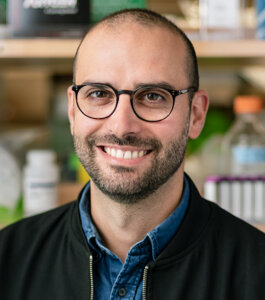
Justin Eyquem, PhD
Affiliate Investigator
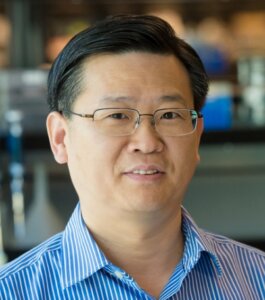
Yadong Huang, MD, PhD
Senior Investigator and Associate Director, Gladstone Institute of Neurological Disease

Steve Finkbeiner, MD, PhD
Senior Investigator and Director, Gladstone Center for Systems and Therapeutics
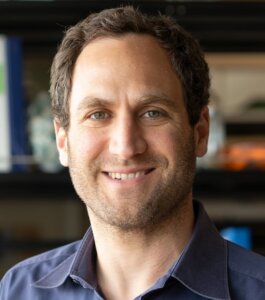
Alex Marson, MD, PhD
Senior Investigator and Director, Gladstone-UCSF Institute of Genomic Immunology
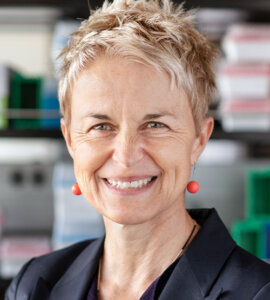
Melanie Ott, MD, PhD
Senior Investigator and Director, Gladstone Infectious Disease Institute
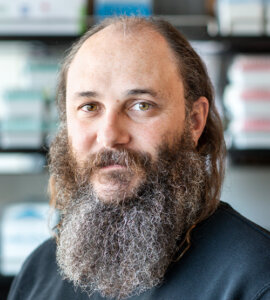
Seth Shipman, PhD
Associate Investigator

Brian Shy, MD, PhD
Visiting Investigator
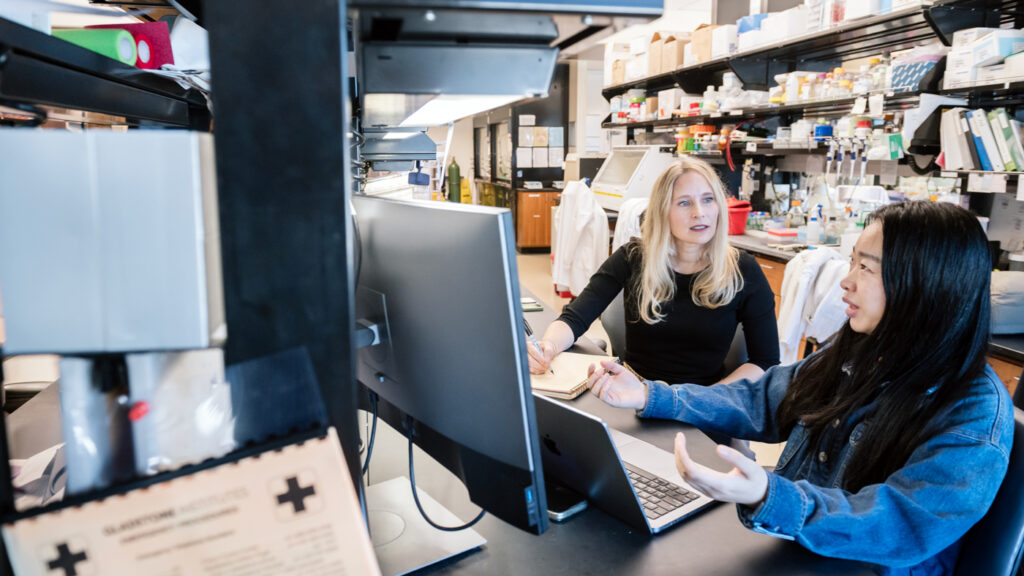
A new screening platform uncovers gene edits that enhance CAR-T cells’ ability to infiltrate and eliminate solid tumors.
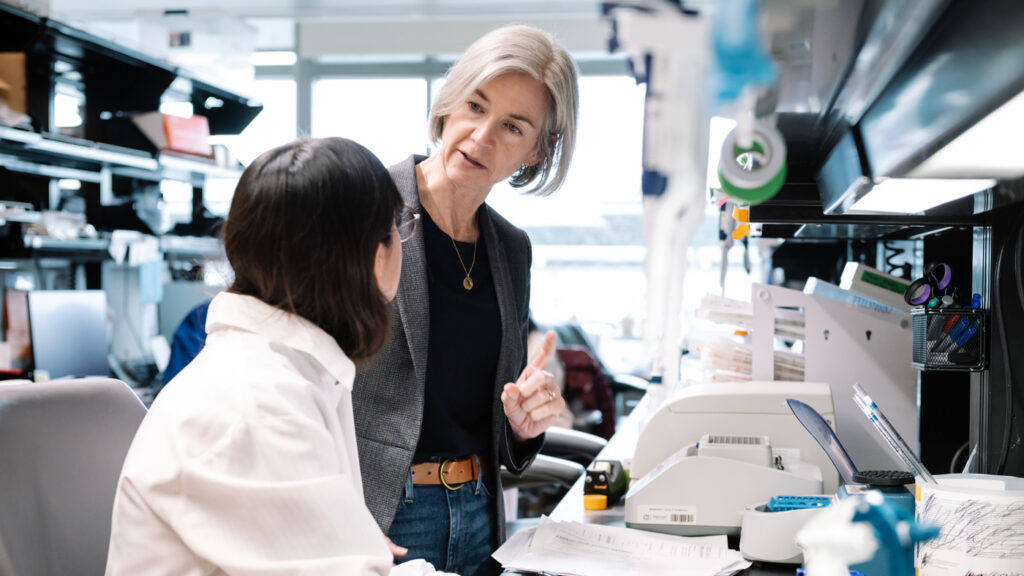
An innovative chromatin-shredding technique shown to destroy cancer cells carrying a prevalent mutation while keeping healthy cells intact.
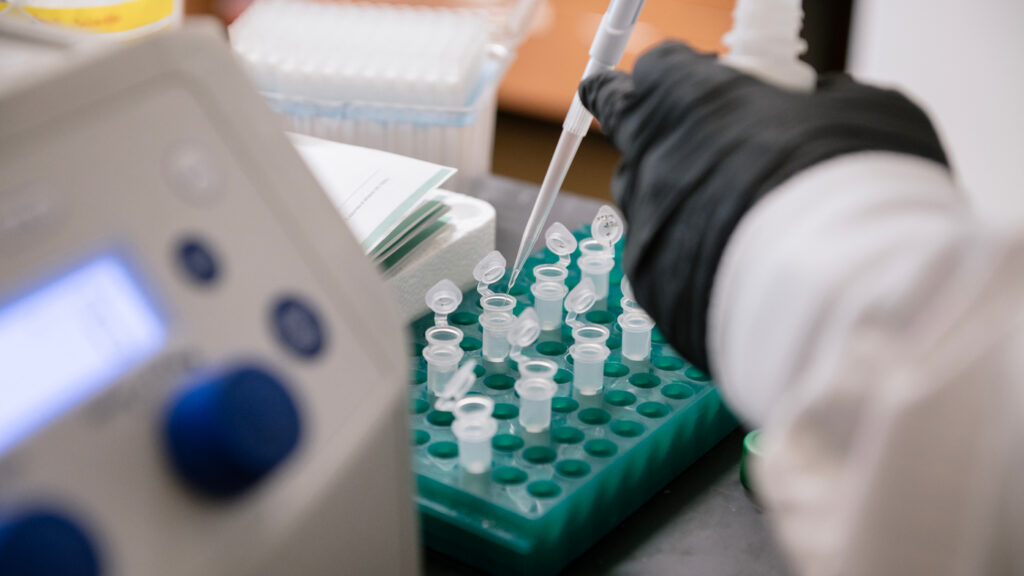
Scientists at Gladstone expanded their retron-based genome editing technology beyond E. coli, showing it works in 15 diverse bacterial species.

Gladstone Institutes is adding state-of-the-art laboratories in a newly constructed Mission Bay building.

Our people are our most important asset. We offer a wide array of career opportunities both in our administrative offices and in our labs.
Open PositionsDiscoveries don’t stay in our labs. Gladstone facilitates spinout companies to advance promising therapies, shortening the path between scientific discovery and helping real patients.
Learn MoreYour gift to Gladstone will allow our researchers to pursue high-quality science, focus on disease, and train the next generation of scientific thought leaders.
Donate Now