Gladstone NOW: The Campaign Join Us on the Journey✕



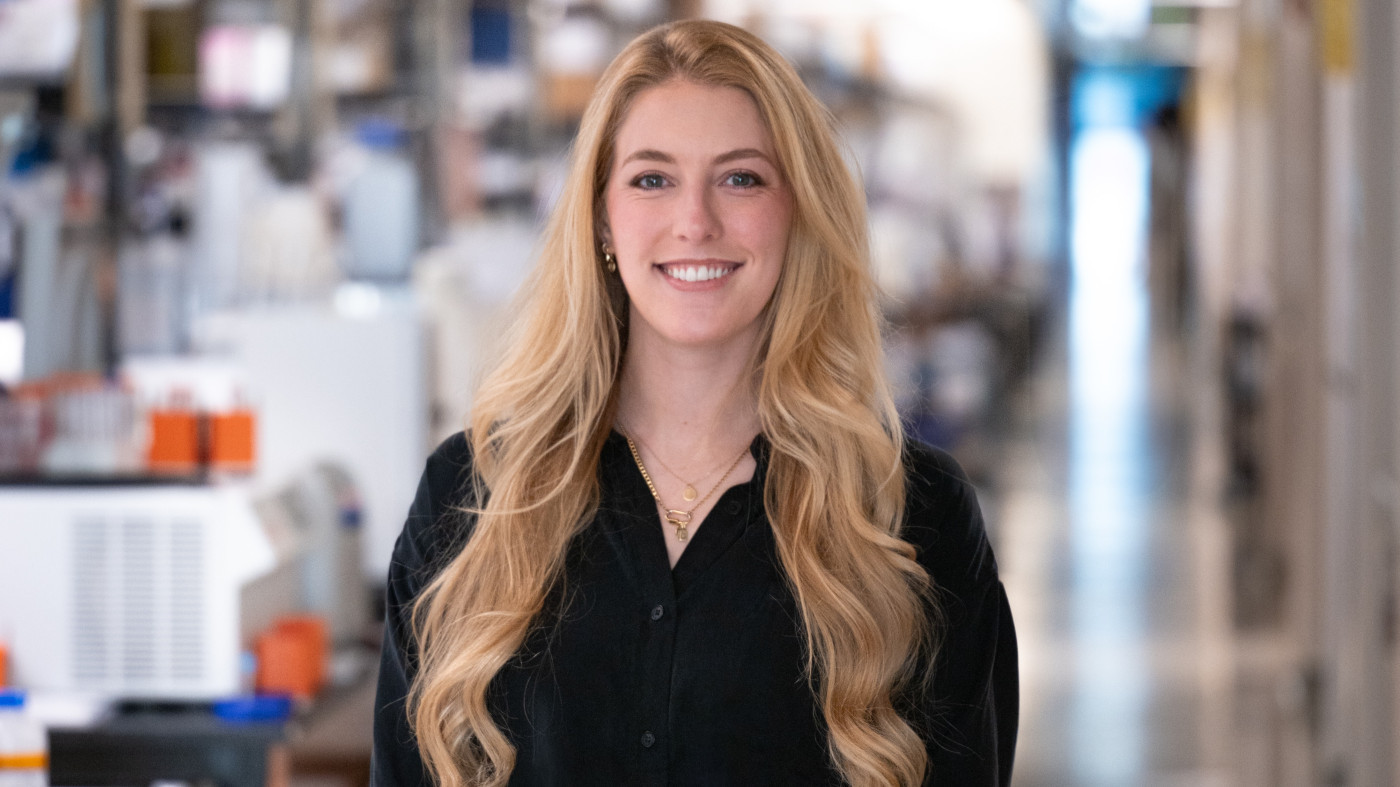
NOMIS–Gladstone Fellow Cathrine Sant is studying an enigmatic region of the human genome linked to neurodegenerative disease risk.
More than two million years ago, a segment of DNA flipped orientation in the human genome.
In this first-person account, Cathrine Sant, PhD, shares her journey from studying statistics and neurobiology to investigating one of the most intriguing regions of the human genome. She describes how the NOMIS–Gladstone Fellowship is helping her explore the health impact of this region, known as the MAPT locus, and uncover how an ancient genetic inversion at this site may influence the risk of Alzheimer's disease and other neurodegenerative disorders today.
The NOMIS–Gladstone Fellowship supports innovative, interdisciplinary research that empowers early-career scientists to pursue ambitious questions and establish independent research programs.
Bridging Computational Biology and Neuroscience
A small stretch of DNA flipped orientation in a subset of our ancestors 2.3 million years ago. This ancient inversion in our genome may help explain why some people are more vulnerable to Alzheimer’s disease and other neurodegenerative disorders today.
I was born in Denmark and grew up largely in California, where I first became interested in the intersection of computation and biology. As an undergraduate studying statistics and neurobiology at the University of California, Berkeley, I joined a neuropathology lab across the bay at the University of California, San Francisco. There, I was introduced to the gene at the center of this curious region of the human genome: MAPT. Tau, the protein encoded by MAPT, is a defining feature of Alzheimer’s disease and related disorders known as tauopathies.
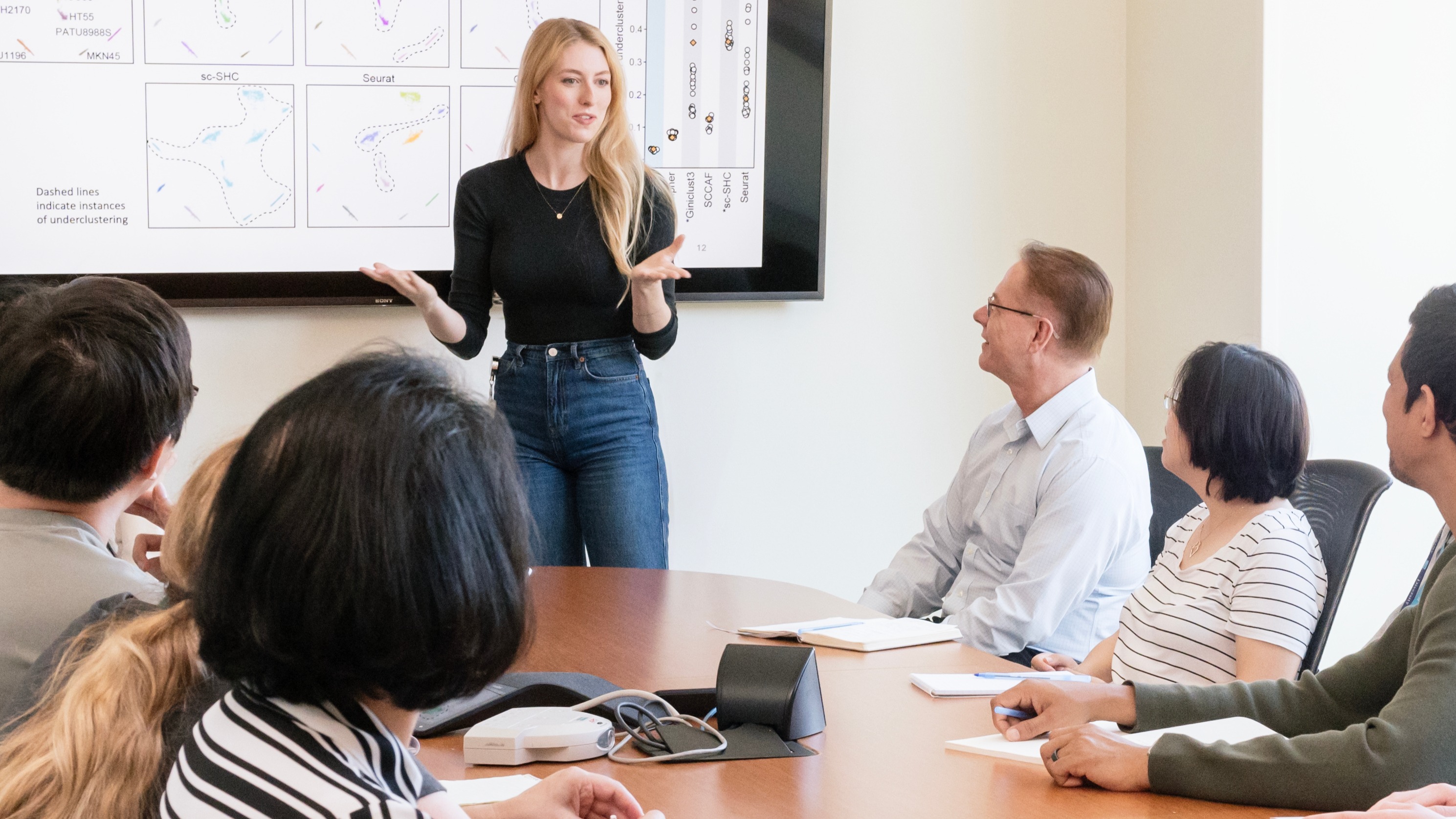
Sant developed a computational approach that accurately distinguishes cells of different identities or characteristics in complex biological samples used in diverse areas of biomedical and discovery research.
My increasing interest in the underlying causes of these diseases led me to pursue a doctorate in neuroscience at UCSF. During my graduate training, I realized how computational approaches could be harnessed to effectively leverage the power of large-scale datasets to reveal changes in the expression of thousands of genes. I therefore developed CHOIR, an algorithm designed to identify biologically distinct cell types from such datasets, which has since enabled us to examine the therapeutic potential of lowering tau levels in specific brain cell types.
Investigating a Genomic Mystery
As a NOMIS–Gladstone Fellow co-advised by Ryan Corces, PhD, and Lennart Mucke, MD, I am now focusing on the complex genetic landscape around MAPT. The two inverted forms, or haplotypes, of this region have acquired different properties during evolution, and, intriguingly, are associated with substantially different risks for several neurodegenerative diseases.
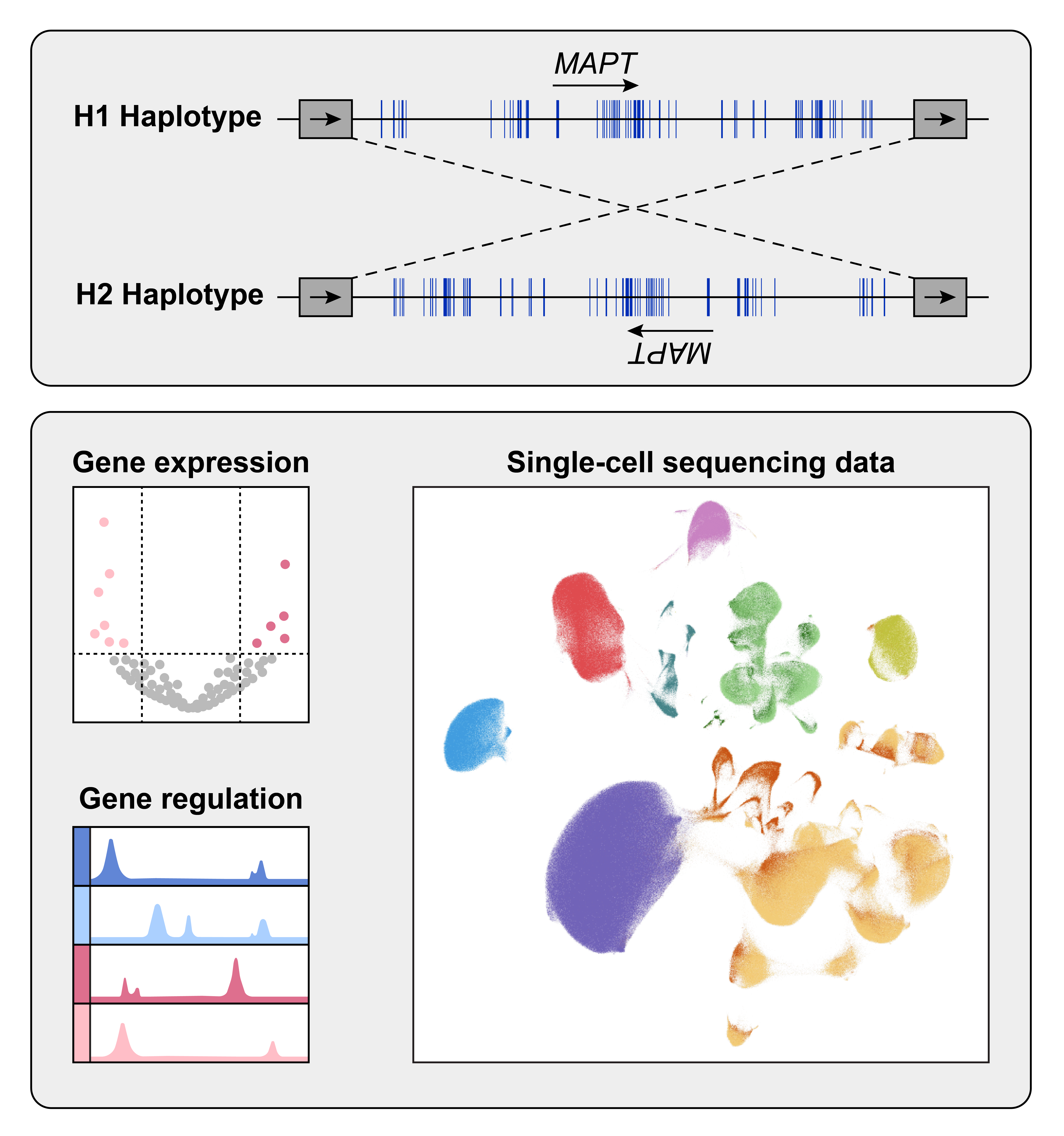
The MAPT locus in the human genome exists in two haplotypes defined by a large DNA inversion and thousands of genetic variants. These differences affect gene expression and regulation, which can be investigated using large-scale human brain single-cell sequencing data. (Credit: Cathrine Sant)
Connecting Evolution, Genetics, and Disease
It remains unclear how this single genomic region controls risk for a variety of diseases. I am investigating whether distinct mechanisms of gene regulation and splicing across specific brain cell types may be responsible for the differences in disease risk.
By dissecting the functional impact of this locus, I hope to better understand both the biology of tauopathies and the broader evolutionary dynamics that have sculpted complex regions of the human genome that affect higher cognition and many other important brain functions.
The NOMIS-Gladstone Fellowship Program gives me the intellectual freedom and mentorship to pursue these and other foundational questions that could shape the way we treat neurodegenerative disorders in the future.
Want to Join the Team?
Our people are our most important asset. We offer a wide array of career opportunities both in our administrative offices and in our labs.
Explore CareersNOMIS-Gladstone Fellows Forge Global Connections Through Bold Science
Article
August 10, 2026
NOMIS-Gladstone Fellows Forge Global Connections Through Bold Science
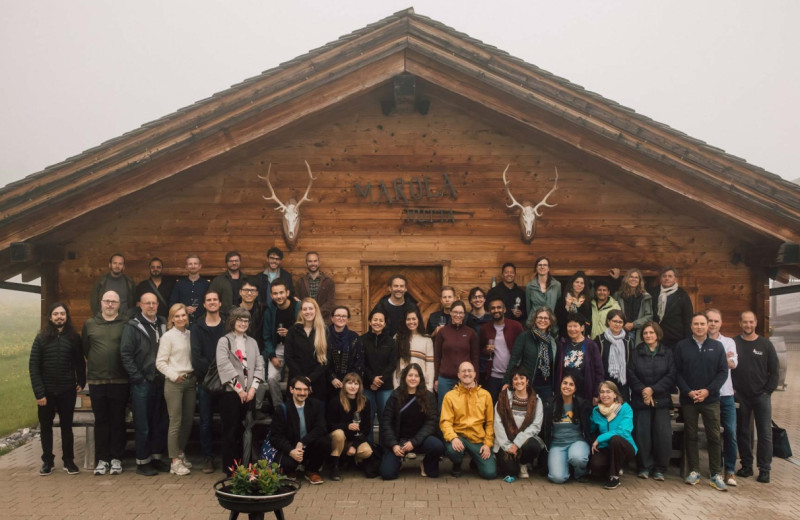
Scientists from across the NOMIS community gathered in Switzerland for the inaugural NOMIS Fellows Symposium.
NOMIS Neurological Disease Mucke LabWhen Brain Cells Talk: NOMIS-Gladstone Fellow Yuliya Voskobiynyk on Decoding Microglia’s Secret Signals

Article
August 21, 2025
When Brain Cells Talk: NOMIS-Gladstone Fellow Yuliya Voskobiynyk on Decoding Microglia’s Secret Signals
NOMIS–Gladstone Fellow Yuliya Voskobiynyk, PhD, shares her journey from Ukraine to Gladstone and how her research on microglia could shed light on brain function and diseases like epilepsy and Alzheimer’s.
Graduate Students and Postdocs Profile Neurological Disease NOMISThe Brain’s Hidden Clean-Up Crew: NOMIS-Gladstone Fellow Myung Jin Yang’s Quest to Unlock the Mystery
Article
August 21, 2025
The Brain’s Hidden Clean-Up Crew: NOMIS-Gladstone Fellow Myung Jin Yang’s Quest to Unlock the Mystery
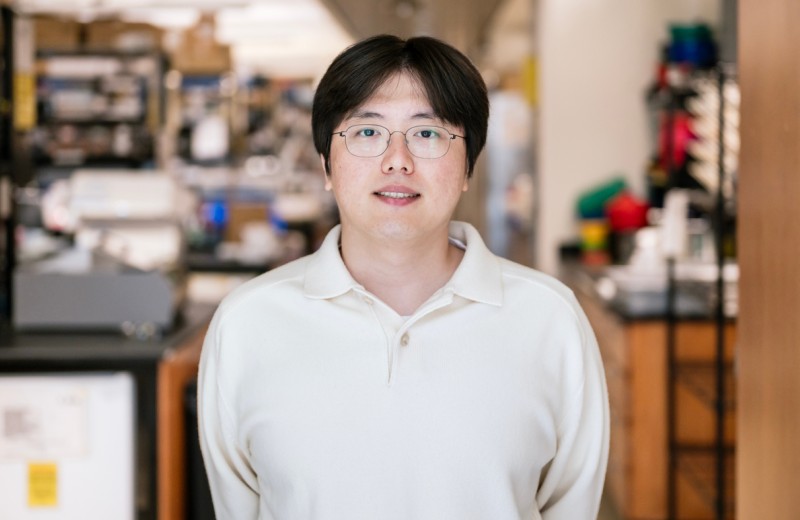
NOMIS–Gladstone Fellow Myung Jin Yang is uncovering how the brain clears waste without traditional lymphatic vessels, a mystery that could shed light on aging and neurodegenerative diseases.
Graduate Students and Postdocs Profile Neurological Disease NOMIS