


PrEP Is Not Linked to Greater Risk for Depression
A new paper reported no link between taking Truvada for oral PrEP and experiencing depression.
HIV/AIDS Infectious Disease Grant LabGladstone NOW: The Campaign Join Us on the Journey ✕
1216 - 1230 of 1390 Results Clear All
A new paper reported no link between taking Truvada for oral PrEP and experiencing depression.
HIV/AIDS Infectious Disease Grant LabRevelations about a key cellular pathway have important implications for neurodegenerative diseases like ALS and frontotemporal dementia.
Finkbeiner LabThe new strategy is more sustainable and less risky than the current standard therapies.
McDevitt Lab Stem Cells/iPSCsPrime Minister Shinzo Abe spoke about the value of collaboration between the US and Japan—particularly in the fields of science and technology.
Yamanaka LabLi Gan, PhD, has been selected to present the Inge Grundke-Iqbal Lecture for Alzheimer’s Research at the Alzheimer’s Association International Conference (AAIC) in Washington, D.C. in July.
Alzheimer’s DiseaseFinding could have implications for other autoimmune disorders, such as type I diabetes.
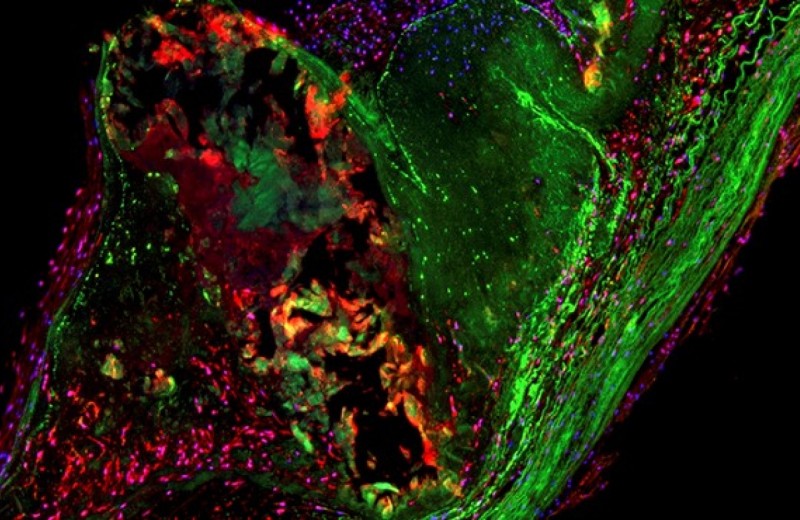
Multiple Sclerosis DiabetesScientists have discovered why some heart tissue turns into bone, and they may have learned how to stop it.
Srivastava Lab Stem Cells/iPSCsJeanne Paz, PhD, an assistant investigator at the Gladstone Institutes, has been awarded the prestigious Michael Prize, honoring her significant contributions to the field of epilepsy.
Paz Lab EpilepsyKatherine Pollard uses innovative statistical analyses to shed new light on the connection between gut bacteria, metabolism, and BMI.
Center for Systems and Therapeutics Pollard Lab Big Data MicrobiomeGroundbreaking discovery challenges the conventional theory that infected host cells control latency and could open the door to new pathways.
Weinberger Lab HIV/AIDSRaising levels of the life-extending protein klotho can protect against learning and memory deficits in a mouse model of Alzheimer’s disease, despite the accumulation of Alzheimer-related toxins in the brain.
Mucke Lab Aging Alzheimer’s DiseaseThe first study to manipulate CRISPR genome editing using small molecules has important implications for correcting disease-causing genetic mutations
Cardiovascular Disease Roddenberry Stem Cell Center Ding Lab CRISPR/Gene Editing Stem Cells/iPSCsBy helping cells switch their type, we may have discovered a new way to repair damaged hearts, and potentially revolutionize the future of medicine.
Srivastava Lab Stem Cells/iPSCsKaterina Akassoglou is working to identify a biomarker that could track the progression of multiple sclerosis using blood tests
Akassoglou Lab Multiple SclerosisProtein interactions between viruses and cells can illuminate common weak points in human biology and reveal potential new targets for antiviral treatments.
Krogan Lab Ott Lab