Jennifer Doudna Wins the 2020 Wolf Prize in Medicine

The 2020 Wolf Prize in Medicine was recently awarded to Gladstone Senior Investigator Jennifer Doudna, PhD. The Wolf Foundation, a state-funded Israeli organization that promotes excellence in the arts and sciences, grants awards annually to celebrate scientists and artists from around the world whose work has made the world a better place.
Doudna received the prize for her discovery of CRISPR-Cas9, a bacterial immune system that has been co-opted by researchers to enable precise gene editing. The Wolf Foundation recognized CRISPR as a medicine-revolutionizing technology with the potential to improve human welfare by leading to novel therapies for genetic and complex diseases.
Doudna’s lab played a central role in defining the structural and mechanistic components of CRISPR, and elucidating its potential applications. She shares the 2020 Medicine Prize with CRISPR co-discoverer Emmanuelle Charpentier, director of the Max Planck Institute for Infection Biology in Berlin, Germany.
The great power of CRISPR technology is accompanied by the potential for abuse. The Wolf Foundation also recognized Doudna’s invaluable work in guiding the ethical conversation about how CRISPR technology should be used to improve human health.
In addition to medicine, Wolf Prizes recognize scientific achievements in the areas of agriculture, mathematics, chemistry, and physics. Awards are also given for artistic accomplishments in the areas of painting and sculpting, music, and architecture. The prize ceremony will take place in Jerusalem on June 11, 2020.
Up Next
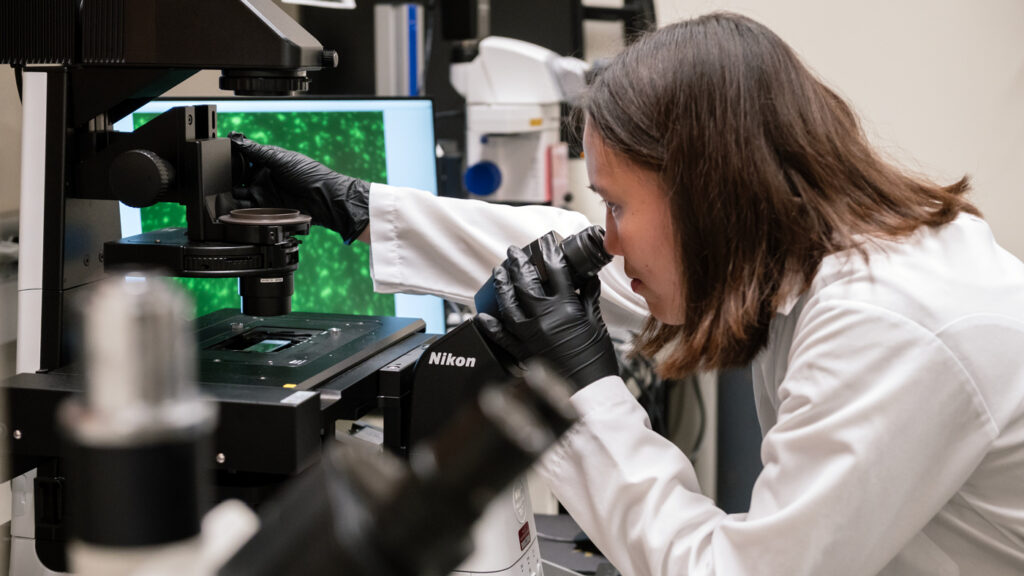
New Toolkit Turns Macrophages Into Better Cancer Fighters
Gladstone and UCSF scientists developed a method to genetically edit myeloid cells, immune cells that act as the body’s first responders.
New CRISPR Screening Platform Boosts Power of Immunotherapy Against Solid Tumors
A new screening platform uncovers gene edits that enhance CAR-T cells’ ability to infiltrate and eliminate solid tumors.
New CRISPR Technique Selectively Shreds Cancer Cells, Including Those of ‘Undruggable’ Cancers
An innovative chromatin-shredding technique shown to destroy cancer cells carrying a prevalent mutation while keeping healthy cells intact.
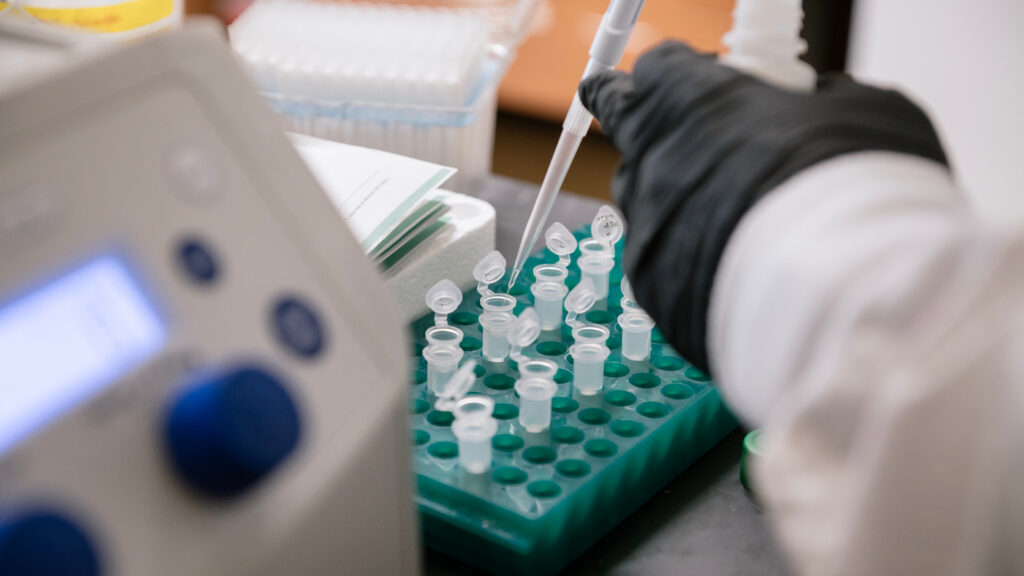
A Universal Toolkit for Editing Bacterial DNA
Scientists at Gladstone expanded their retron-based genome editing technology beyond E. coli, showing it works in 15 diverse bacterial species.

Get Involved
Join the Team
Our people are our most important asset. We offer a wide array of career opportunities both in our administrative offices and in our labs.
Open PositionsPartner With Us
Discoveries don’t stay in our labs. Gladstone facilitates spinout companies to advance promising therapies, shortening the path between scientific discovery and helping real patients.
Learn MoreGive
Your gift to Gladstone will allow our researchers to pursue high-quality science, focus on disease, and train the next generation of scientific thought leaders.
Donate Now