
Virologist Viewpoints: The Promise of Cancer Vaccines
Magnus Hoffmann explains the science behind cancer vaccines and how they could change the game.

Viruses like HIV mutate rapidly, making them difficult to target; others such as influenza and SARS-CoV-2 require new vaccines each year. Emerging infectious diseases also highlight the need for vaccine platforms that can be designed, tested, and manufactured quickly when new threats arise.
At the same time, scientists are expanding the role of vaccines beyond infectious diseases. Researchers are developing therapeutic vaccines that train the immune system to fight cancer and exploring vaccines against antibiotic-resistant bacteria, fungal infections, and parasites. These next-generation approaches could transform how we prevent and treat disease.
At Gladstone, researchers are developing innovative vaccines that generate strong, long-lasting immune responses and can respond to future pandemics and some of medicine’s greatest unmet challenges.
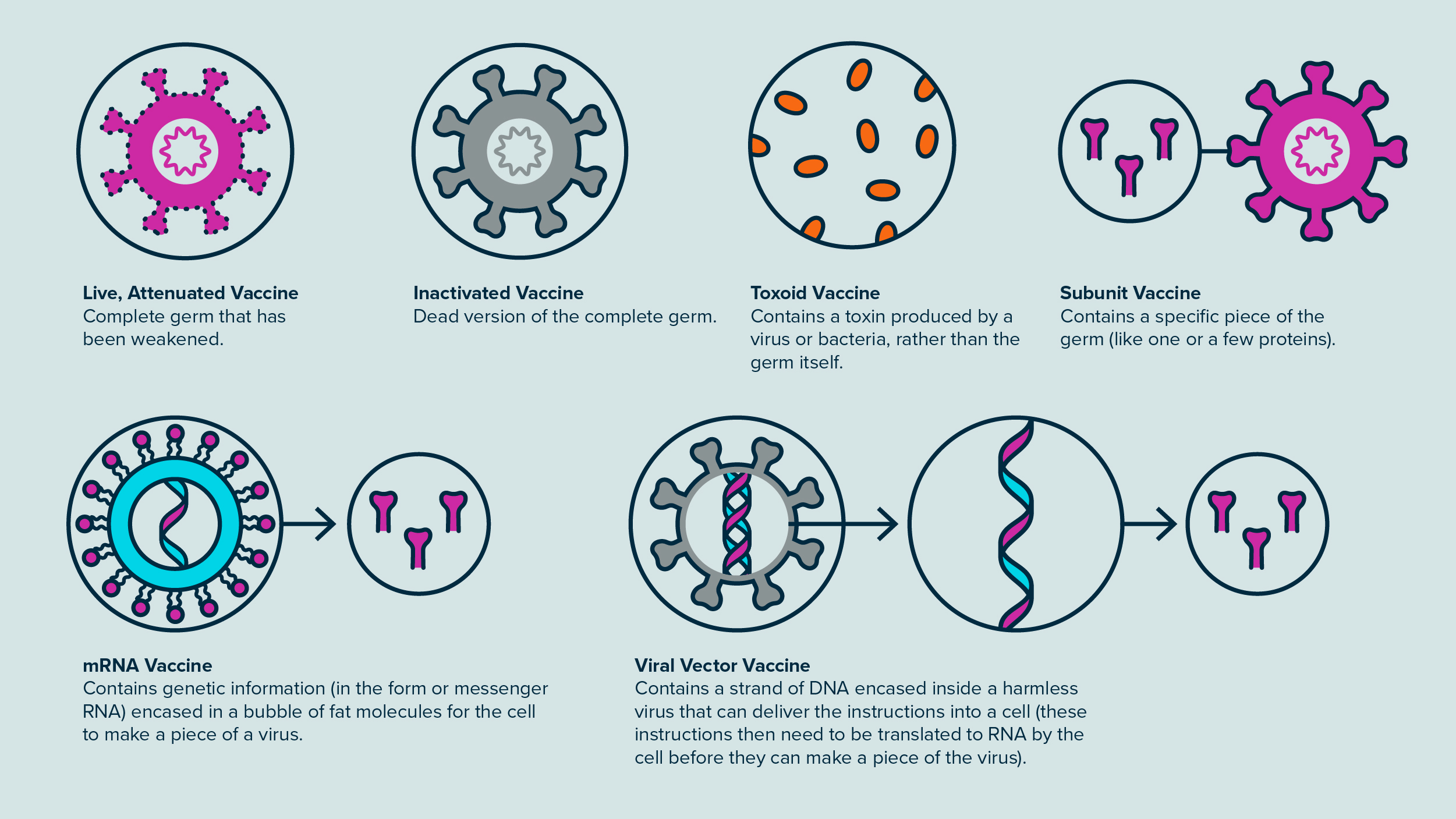
Vaccines work by safely teaching the immune system what a dangerous pathogen looks like before a person encounters the real thing. Instead of causing disease, vaccines expose the body to a harmless version of a virus or bacterium—or even just a small piece of it—allowing immune cells to recognize the threat and build a defense.
Once vaccinated, the immune system produces antibodies and activates specialized T cells that can quickly recognize and destroy the pathogen if it appears later. Many vaccines also generate immune memory, allowing the body to mount a rapid response months or even years after vaccination.
Different vaccine technologies accomplish this in different ways. Traditional vaccines may use weakened or inactivated viruses, while newer approaches—such as mRNA vaccines—deliver genetic instructions that allow the body’s own cells to temporarily produce a harmless viral protein. This technology, which became widely known during the COVID-19 pandemic, allowed vaccines to be designed and manufactured much more rapidly than with traditional methods.
Researchers are now building on these advances by developing vaccines that stimulate broader, stronger, and longer-lasting immunity against known pathogens while remaining easy to adapt for newly emerging diseases.
Scientists in the Hoffmann Lab, including Kim Dam, are rethinking how vaccines are built—combining the best of traditional approaches with newer technologies like mRNA to create stronger, smarter immune responses.
Gladstone scientists are developing the next generation of vaccines—designing technologies that produce immune responses that are stronger and last longer than those achieved with current vaccines, and can be rapidly adapted to combat future infectious diseases and even cancer.
Rather than focusing on a single virus, researchers are building flexible vaccine platforms that could one day be customized to protect against HIV, influenza, coronaviruses, malaria, and other emerging pathogens.
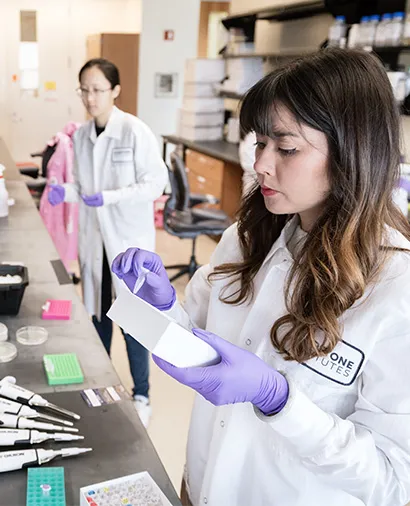
Magnus Hoffmann is developing a new vaccine platform that expands on the success of mRNA vaccines.
Instead of instructing cells to make a single viral protein, Hoffmann’s technology directs cells to assemble harmless virus-like particles that closely resemble real viruses but cannot replicate or cause disease. Because these particles more accurately mimic natural infections, they may stimulate stronger antibody and T-cell responses than conventional mRNA vaccines.
In preclinical studies, this platform generated antibody levels roughly ten times higher than conventional mRNA vaccines against the Omicron variant of SARS-CoV-2. The technology is currently being adapted to develop vaccines against influenza, HIV, and future emerging viruses, while also serving as a platform for targeted drug delivery.

Gladstone scientists are also broadening the scope of vaccine research beyond traditional infectious diseases.
Researchers are investigating vaccines for fungal infections, parasites, and antibiotic-resistant bacteria—pathogens that represent growing threats to global health. At the same time, they are exploring therapeutic cancer vaccines, which train the immune system to recognize and attack tumors rather than prevent infection.
These efforts reflect a new vision for vaccines: technologies that harness the immune system not only to prevent infectious disease but also to treat some of the world’s most challenging illnesses.
As vaccine science continues to evolve, Gladstone researchers are helping build platforms that are faster to develop, easier to adapt, and capable of addressing diseases that have long remained out of reach.

An unprecedented map of 22 million immune cells provides the functional rulebook for virtual biology and next-generation immunotherapies.
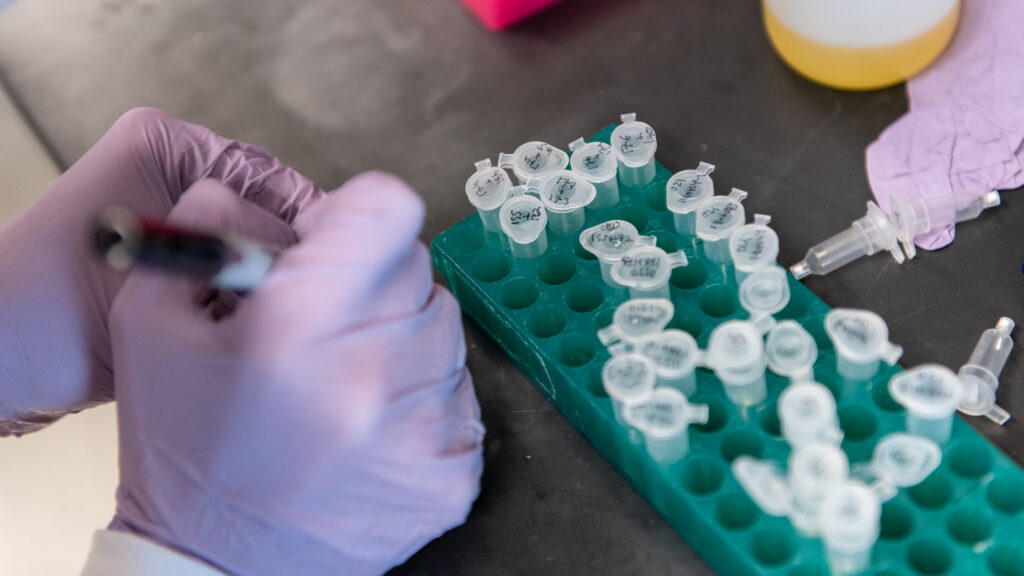
Gladstone and UCSF scientists developed a method to genetically edit myeloid cells, immune cells that act as the body’s first responders.

A new screening platform uncovers gene edits that enhance CAR-T cells’ ability to infiltrate and eliminate solid tumors.

An innovative chromatin-shredding technique shown to destroy cancer cells carrying a prevalent mutation while keeping healthy cells intact.

Our people are our most important asset. We offer a wide array of career opportunities both in our administrative offices and in our labs.
Open PositionsDiscoveries don’t stay in our labs. Gladstone facilitates spinout companies to advance promising therapies, shortening the path between scientific discovery and helping real patients.
Learn MoreYour gift to Gladstone will allow our researchers to pursue high-quality science, focus on disease, and train the next generation of scientific thought leaders.
Donate Now