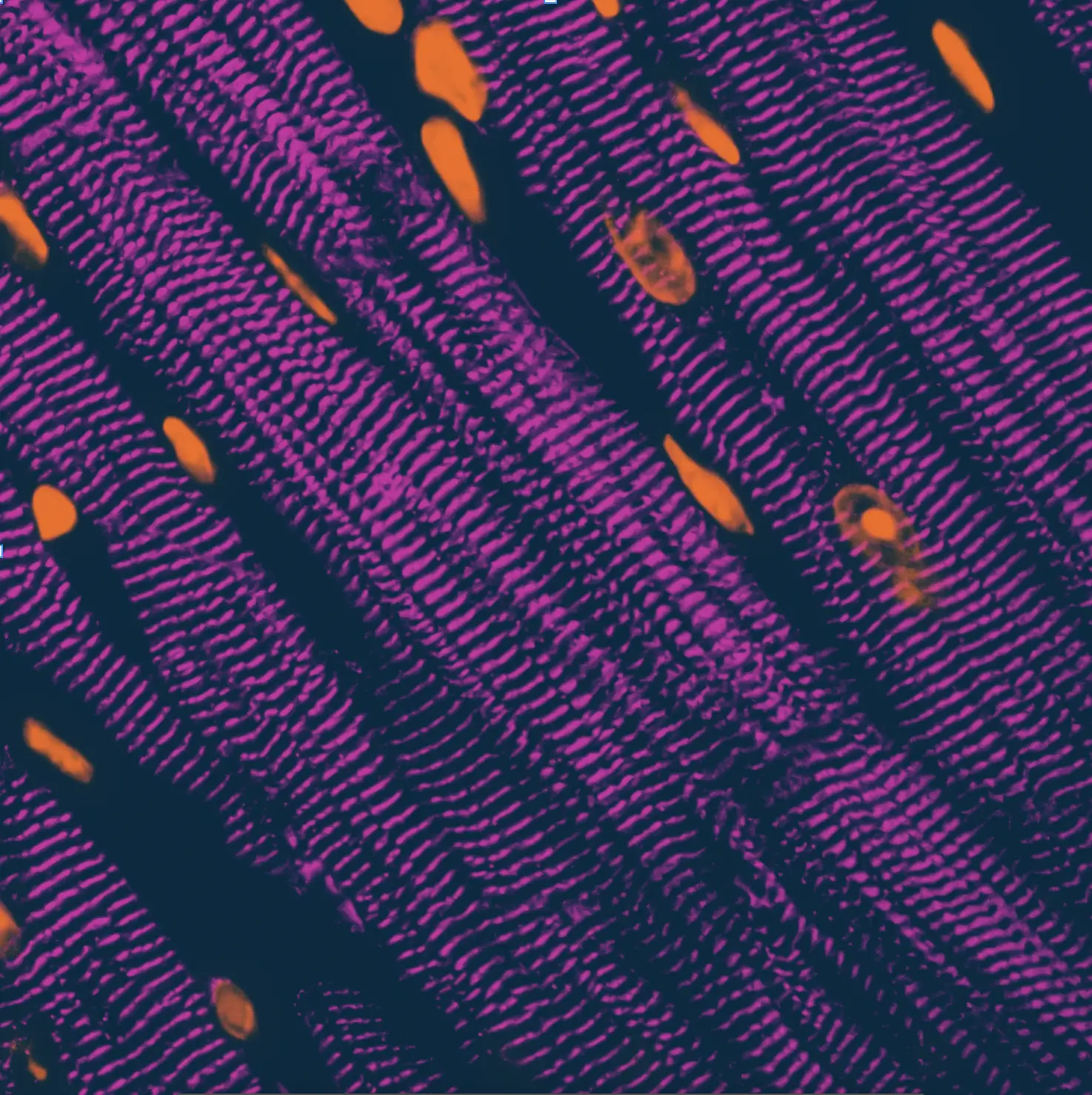
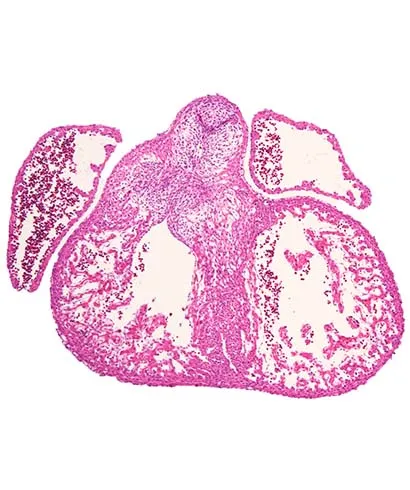
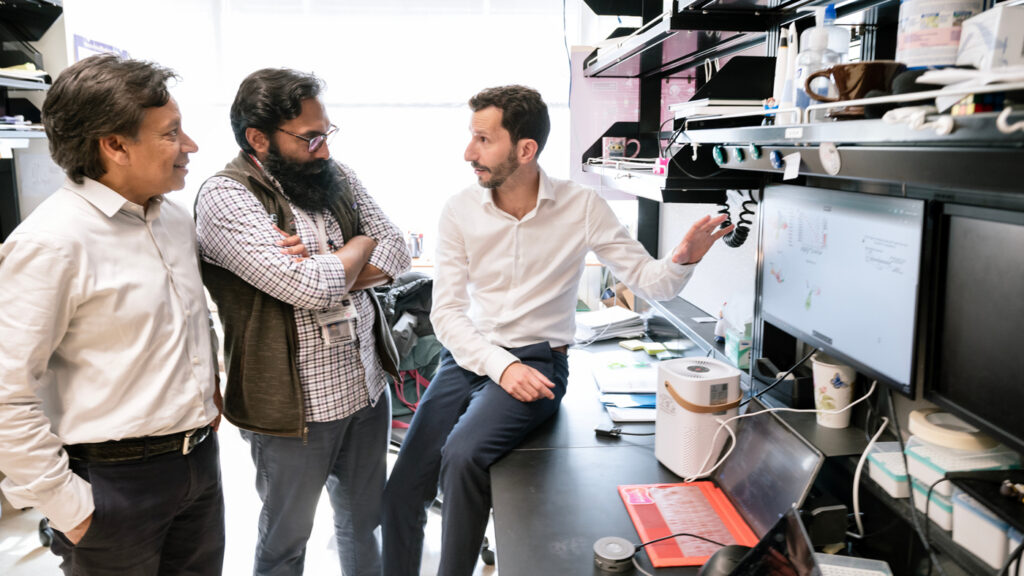
Heart failure worsens over time as strain on the heart triggers fibrosis, or scarring, that stiffens heart tissue and reduces its ability to pump blood. Researchers in the Alexanian, Srivastava, and Pollard Labs uncovered how specialized immune cells sense stress in the heart and activate fibroblasts—the cells responsible for producing scar tissue. In a series of studies published in Nature, the team identified a key “transcriptional switch” that drives fibrosis. By blocking this switch, researchers prevented scarring in the heart, opening promising new therapeutic strategies to halt or even reverse heart failure progression. Because fibrosis also affects organs such as the lungs, liver, and kidneys, these discoveries could have broad implications beyond cardiovascular disease.