Justin Eyquem Named a 2024 Pew-Stewart Scholar for Cancer Research
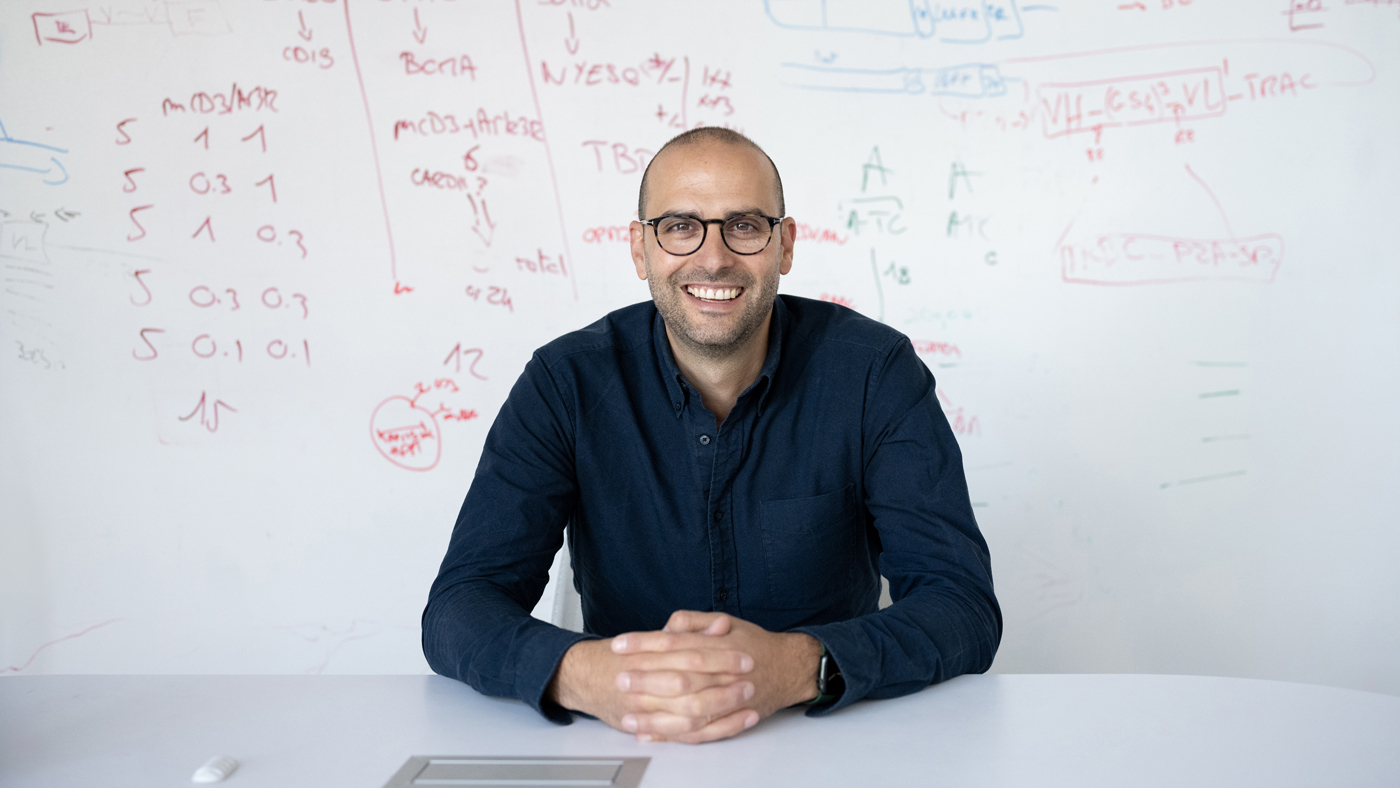
Justin Eyquem, PhD, an affiliate investigator at Gladstone Institutes and assistant professor of medicine in the Division of Hematology and Oncology at UC San Francisco, is one of five early-career scientists selected as a 2024 Pew-Stewart Scholar for Cancer Research.
Eyquem will receive a four-year grant to pursue questions related to cell therapies for cancer, the Pew Charitable Trusts and the Alexander and Margaret Stewart Trust announced.
“Despite decades of groundbreaking research and innovative breakthroughs, millions of Americans are still all too familiar with the devastation and uncertainty of a cancer diagnosis,” Donna Frisby-Greenwood, senior vice president for scientific advancement at the Pew Charitable Trusts, says in a statement. “Scientists have so much more to learn about the complexities of cancer, and Pew hopes this standout group of cancer researchers will help move us even closer to finding cures.”
Eyquem is a bioengineer who has been refining a sophisticated cancer treatment called CAR-T therapy, in which a patient’s own immune cells are re-engineered to attack the tumor. While these treatments can be highly successful, “living” drugs are also difficult to make and prohibitively expensive.
The process involves isolating immune cells from patients’ blood and reprogramming them with gene editing, which must be done in a sterile facility. The cells are only put back in after patients have undergone chemotherapy to suppress their immune systems.
Eyquem wants to skip over these steps with technologies that can edit immune cells directly within a person’s body. This innovation could eliminate costly steps in the production of the cells and spare patients from needing chemotherapy. Eyquem hopes this will make CAR-T cell therapy dramatically cheaper, faster, and more accessible. The method could also be applied to noncancer indications such as infectious disease and autoimmune and genetic disorders.
Eyquem is part of a small cohort of Pew-Stewart scholars who will meet throughout the four-year fellowship to share their work and hopefully inspire new ideas.
“It’s going to introduce me to a community of very creative thinkers and people that are at the forefront of this field,” he says. “This is the kind of network that really helps move these discoveries from the lab into the clinic.”
Up Next
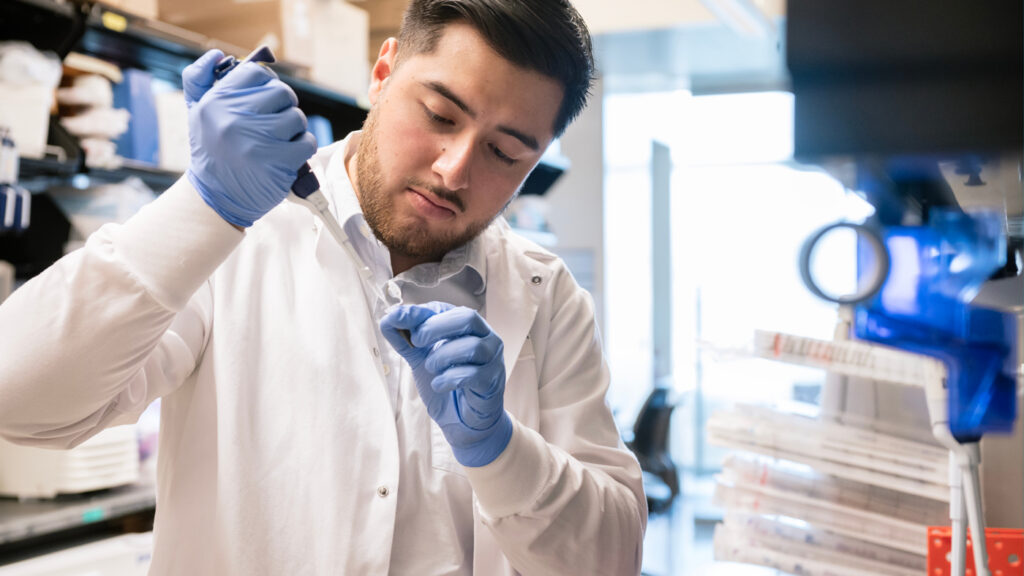

Scientists Decode Gene Circuits of Human Immunity, Fueling New Era of Disease Research
An unprecedented map of 22 million immune cells provides the functional rulebook for virtual biology and next-generation immunotherapies.
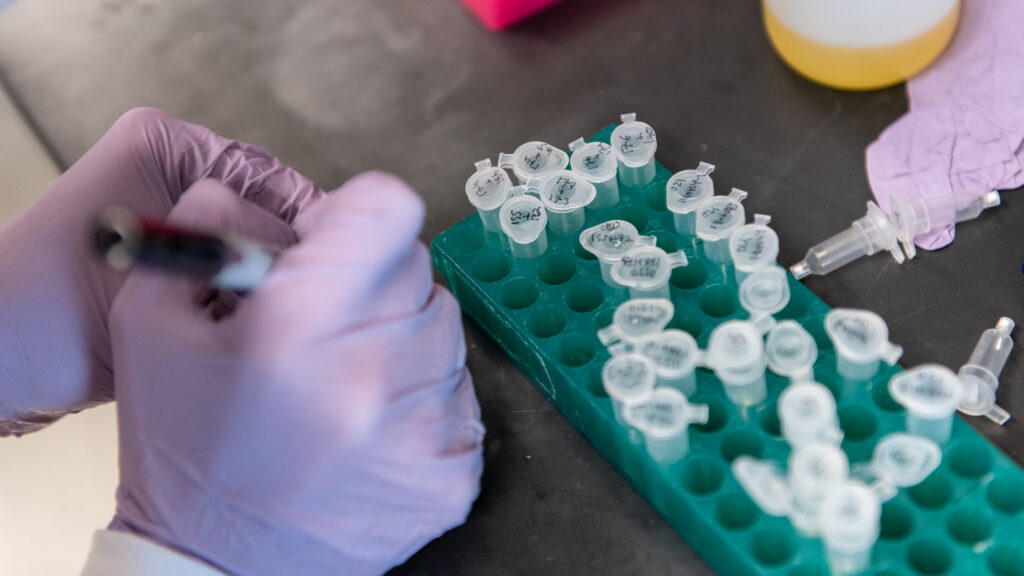
New Toolkit Turns Macrophages Into Better Cancer Fighters
Gladstone and UCSF scientists developed a method to genetically edit myeloid cells, immune cells that act as the body’s first responders.
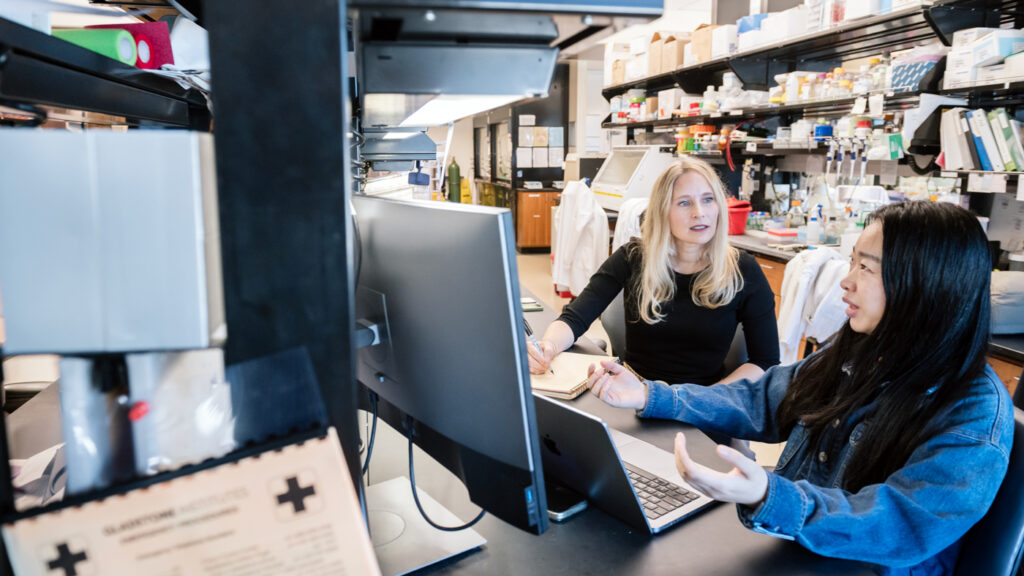
New CRISPR Screening Platform Boosts Power of Immunotherapy Against Solid Tumors
A new screening platform uncovers gene edits that enhance CAR-T cells’ ability to infiltrate and eliminate solid tumors.
New CRISPR Technique Selectively Shreds Cancer Cells, Including Those of ‘Undruggable’ Cancers
An innovative chromatin-shredding technique shown to destroy cancer cells carrying a prevalent mutation while keeping healthy cells intact.

Get Involved
Join the Team
Our people are our most important asset. We offer a wide array of career opportunities both in our administrative offices and in our labs.
Open PositionsPartner With Us
Discoveries don’t stay in our labs. Gladstone facilitates spinout companies to advance promising therapies, shortening the path between scientific discovery and helping real patients.
Learn MoreGive
Your gift to Gladstone will allow our researchers to pursue high-quality science, focus on disease, and train the next generation of scientific thought leaders.
Donate Now