Gladstone NOW: The Campaign Join Us on the Journey✕




From penicillin to organ transplants, so many important discoveries have dramatically changed healthcare and medicine over the past decades. But what’s really behind all this progress?
The key to all these developments is basic biomedical research. Science is accelerating at an unprecedented pace and opening new paths in research that weren’t possible a few years ago.
Scientists here at Gladstone Institutes are leveraging state-of-the-art scientific tools and creating technologies to find new ways to prevent and treat disease. They are discovering how the cells and molecules in our bodies work, providing the building blocks that will one day benefit patients suffering from diseases ranging from heart disease, Alzheimer’s and other neurologic diseases and immunologic disorders.
Support Discovery Science
Your gift to Gladstone will allow our researchers to pursue high-quality science, focus on disease, and train the next generation of scientific thought leaders.
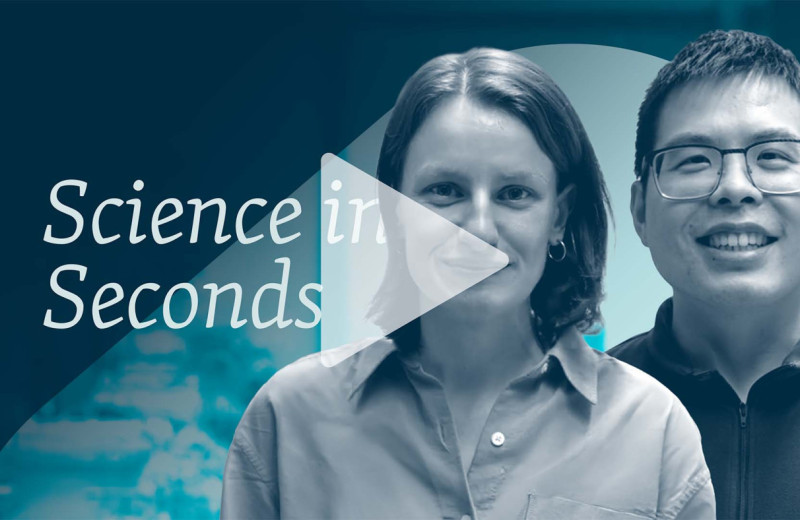
Science in Seconds | An Unprecedented Map of Human Immune Cells
Video
August 28, 2026
Science in Seconds | An Unprecedented Map of Human Immune Cells
In this video, Gladstone scientists Emma Dann and Ronghui Zhu explain how their new study offers a powerful framework for designing cancer immunotherapies and treating autoimmune conditions.
Turning the Tide on Tau: Q&A With Gladstone’s Lennart Mucke
Article
July 1, 2026
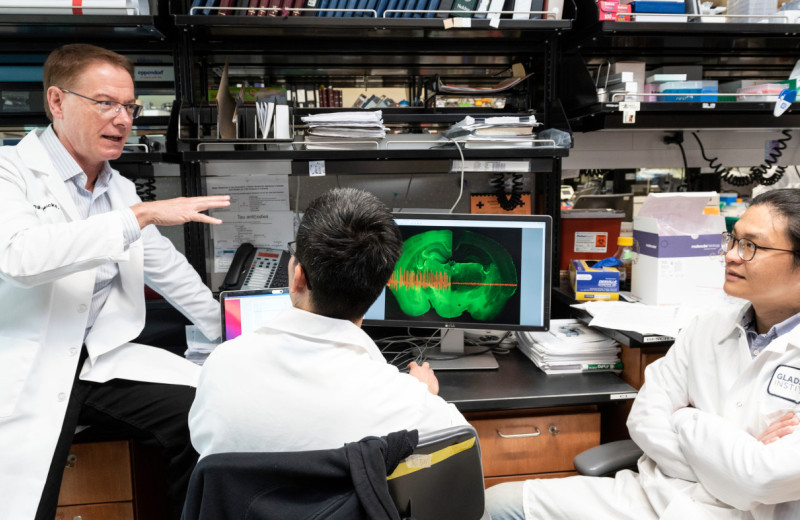
Turning the Tide on Tau: Q&A With Gladstone’s Lennart Mucke
Nearly 20 years after his landmark study uncovered novel roles of tau in Alzheimer’s disease, Gladstone's Lennart Mucke shares his perspective on new clinical data that could transform the future of brain health.
Mucke Lab Alzheimer’s Disease Gladstone Experts Neurological Disease News ReleaseThis Is AI Decoding the Genetic Cause of Disease
Video
March 23, 2026
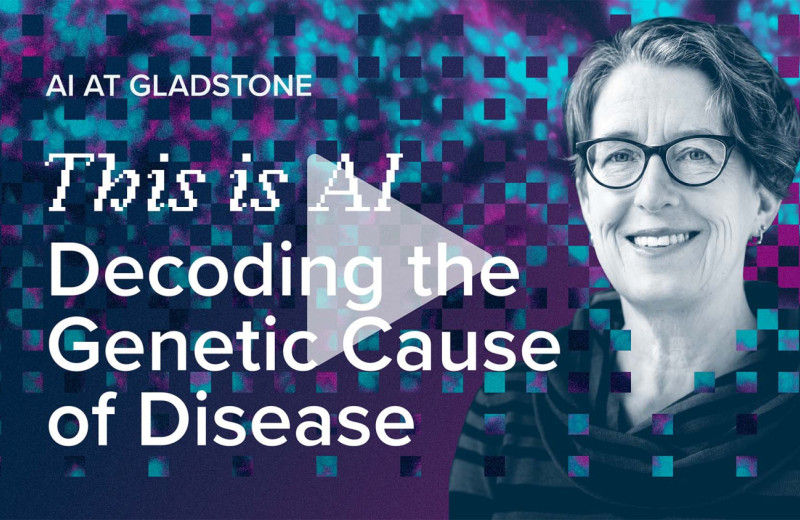
This Is AI Decoding the Genetic Cause of Disease
In this video, Katie Pollard and Deepak Srivastava explain how Gladstone scientists are combining AI models with novel tools in the lab to finally decode the entire human genome.
Gladstone Experts Pollard Lab Srivastava Lab AI