Gladstone NOW: The Campaign Join Us on the Journey✕




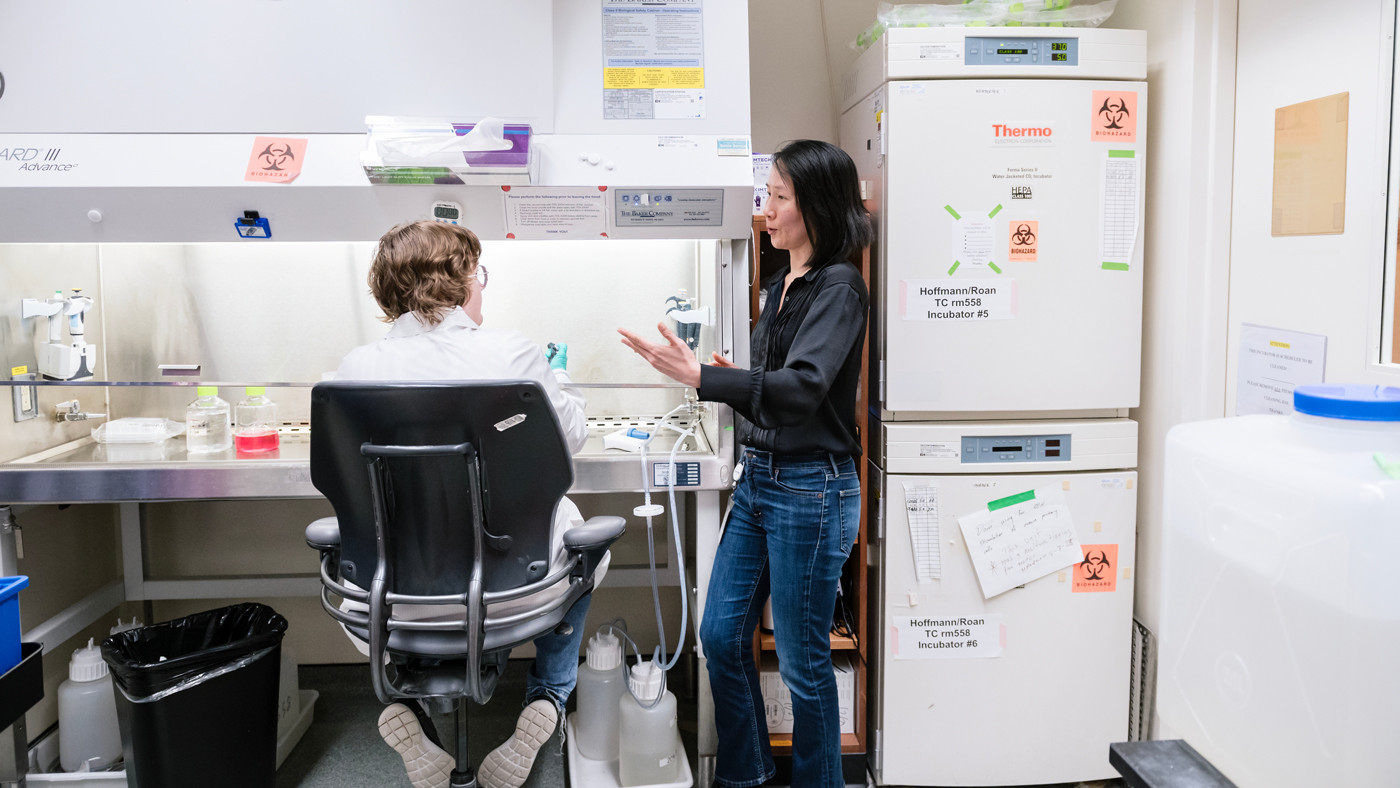
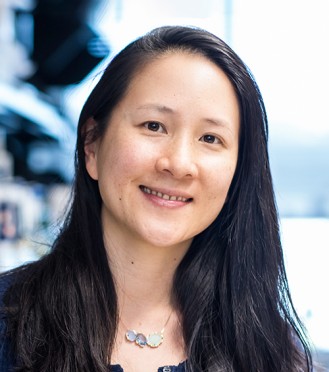
A team of Gladstone scientists—including Ashley George (left) and Nadia Roan (right)—uncovered a new path toward life without daily HIV pills, suggesting that a common diabetes pill could help achieve long-term remission.
Listen to this article
For millions of people living with HIV, a daily regimen of medications is a lifelong necessity. If they stop taking the drugs—commonly referred to as antiretroviral therapy—the virus usually rushes back within weeks.
But not for everyone; scientists have been baffled by rare individuals who, after stopping the drug regimen, keep the virus under control for months or even years.
“Strikingly, a small number of people rebound much more slowly and take multiple months or even longer to rebound,” says Nadia Roan, PhD, senior investigator at Gladstone Institutes.
In a study published in the journal Immunity, Roan and her team begin to reveal why that is—and in doing so, uncover possible new paths toward long-term health for people living with HIV without the need for antiretroviral therapy.
Among their key findings, the team discovered two specific genes inside infected cells that act like security locks to keep the virus asleep. And perhaps most significantly, they also found that a common diabetes drug, metformin, can activate one of these locks to keep the virus in its dormant state.
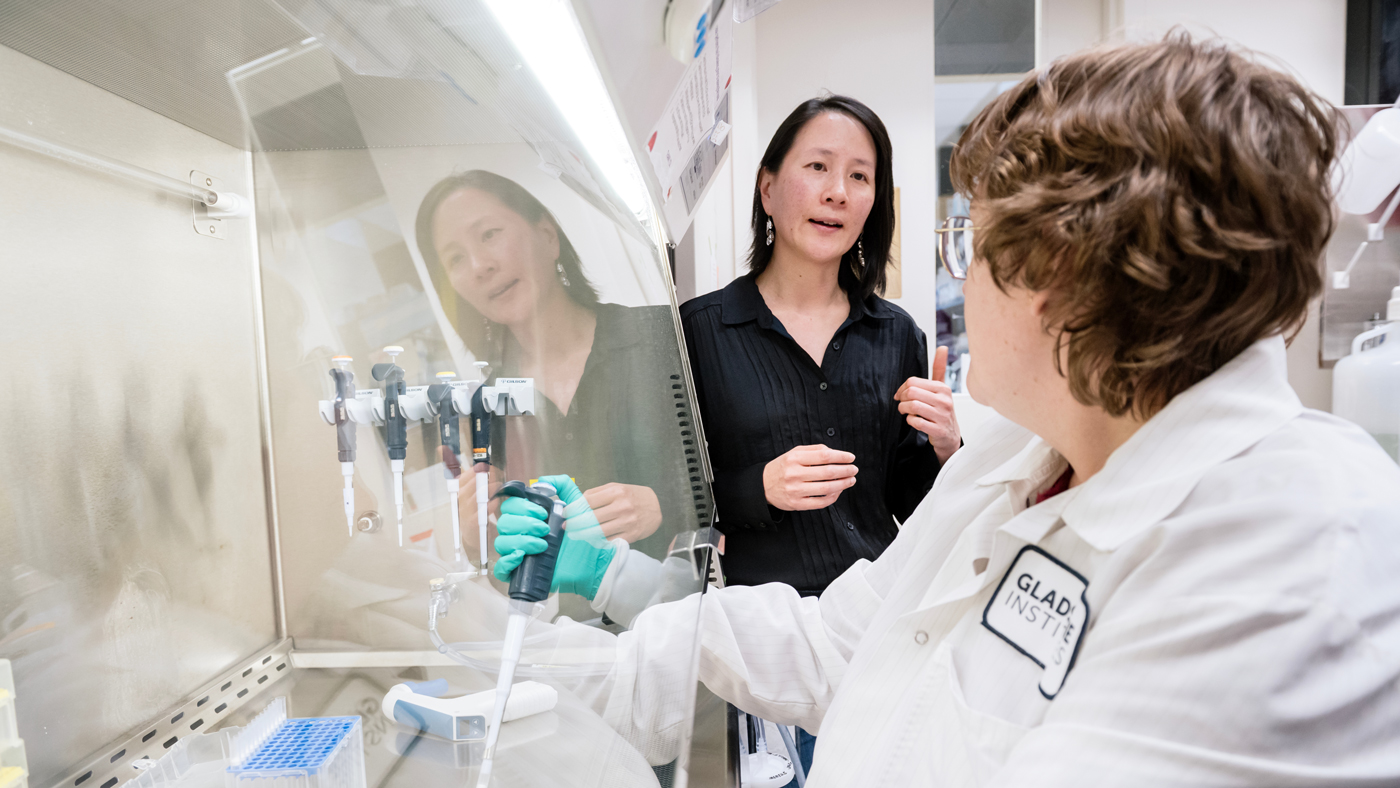
By studying the rare individuals who continue to suppress the virus even after treatment ends, Roan (left) and her team identified features of immune cells that can keep the virus locked down.
“Our data suggest metformin might be able to delay, or possibly even prevent HIV rebound in some individuals, which is exciting because it’s a very safe and affordable drug,” says Roan, senior author on the study. “We are now very interested in pushing forward with pre-clinical and eventually clinical studies to directly test these potential benefits.”
Working Toward a Functional Cure
In people with HIV, antiretroviral therapy successfully controls the virus, but “reservoirs” of immune cells containing a permanent copy of HIV’s genetic code persist. If treatment is disrupted, this genetic code typically begins to generate active HIV, leading to a return of symptoms and, if left untreated, to acquired immunodeficiency syndrome (AIDS).
By studying the rare individuals who continue to suppress the virus even after treatment ends, Roan and her team sought to pinpoint features of immune cells that can keep the virus locked down.
They turned to four recently completed clinical trials in which people with HIV deliberately went off treatment—in some cases to test potential HIV cures—and were carefully monitored for HIV rebound, at which time the individuals restarted antiretroviral therapy.
Roan’s group obtained blood specimens taken from 75 trial participants immediately before they paused therapy, and measured levels of genes and proteins within multiple types of immune cells from the samples to uncover associations between these features and how long it took for HIV to rebound.
These efforts yielded several important discoveries. In two of the trials, delayed rebound was associated with higher levels of a specific type of immune cell known as stem cell memory CD8+ T cells. In fact, the two patients with the most extremely delayed rebound—more than 22 weeks for one and over 33 for the other—also had the highest levels of these cells.
“These CD8+ T cells appear to have ‘stem-like’ features and might be able to stick around to continue replenishing themselves for prolonged periods of time, which may help them contribute to long periods of ART-free HIV control”, Roan says.
In another trial, people with an atypical type of natural killer cells rebounded later than patients with the conventional version. Natural killer cells are a type of immune cell typically thought of as destroyers of virus-infected cells. But they can also help regulate how other immune cells operate, which may impact post-therapy HIV rebound.
“All together, our findings suggest there’s probably not just one solution for suppressing HIV,” says Ashley George, PhD, research scientist at Gladstone and co-first author on the study. “By leveraging different features of immune cells that can help fight infection, we likely have multiple opportunities to control HIV without the need for ART.”
Trial-Ready Results for Metformin
The study’s most striking findings came from some of the patients’ CD4+ T cells—the main cell type that serves as a reservoir for HIV.
People whose reservoir cells had higher levels of two particular genes, DDIT4 and ZNF254, tended to have longer HIV rebound times after stopping antiretroviral therapy. In follow-up lab experiments, Roan and her team confirmed that both genes can suppress HIV.
“Both genes represent possible new targets for a promising ‘block and lock’ strategy for curing HIV, in which drugs would first be used to block HIV activation, followed by ways to make this block permanent,” George says.
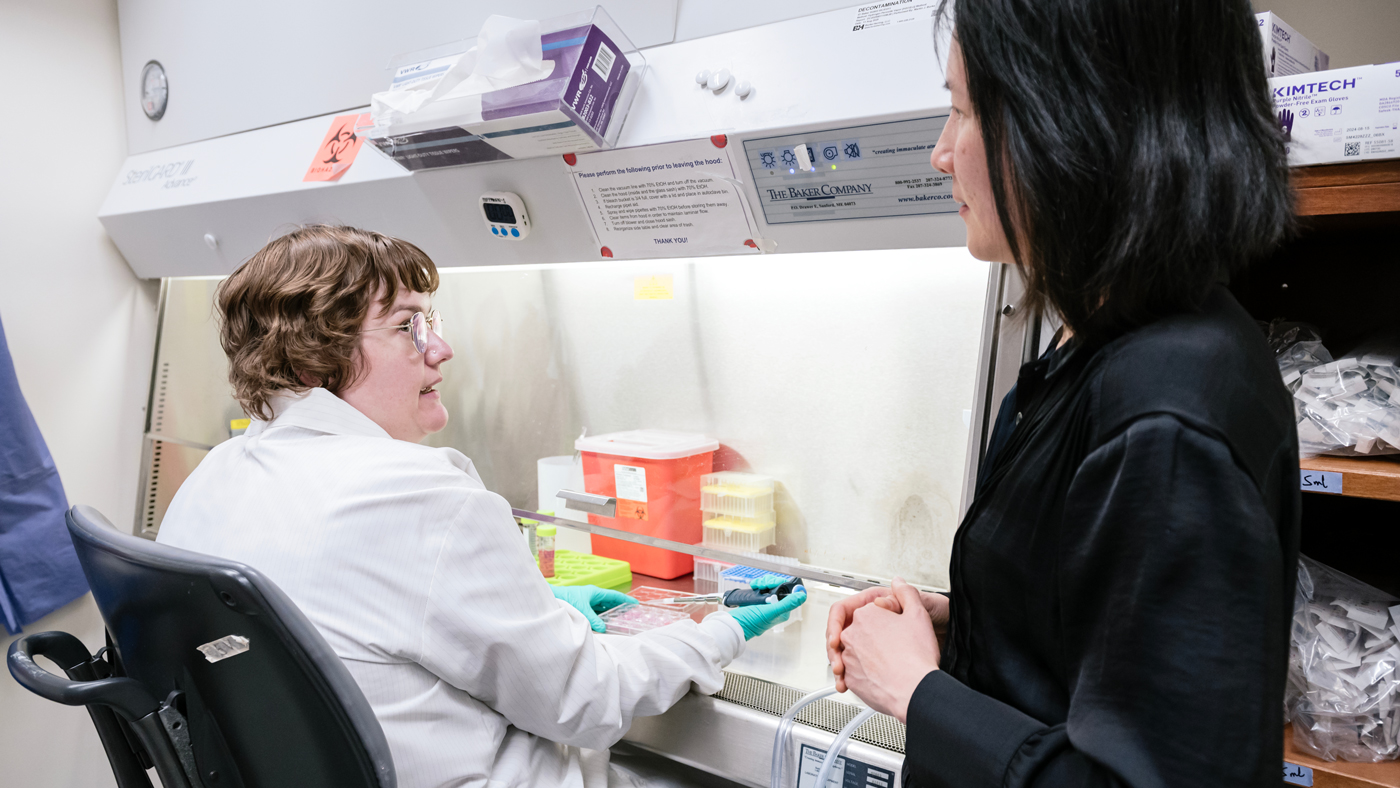
The study by George (left) and Roan (right) is part of a broader effort by a multidisciplinary group of researchers, named the HOPE Collaboratory, working to cure HIV.
This approach is a major focus of the HIV Obstruction by Programmed Epigenetics (HOPE) Collaboratory, a multidisciplinary group of researchers, including Roan and other co-authors on the new study, working toward an HIV cure.
When they further analyzed publicly available data, the team uncovered more supporting evidence. They found that people with higher levels of the two genes had reduced HIV activity in their cells. And, in “elite controllers”— people whose bodies naturally suppress HIV from the start of infection, even without therapy— levels of the gene ZNF254 among CD4+ T cells are much higher.
“One possibility we’re imagining for the future is that we could somehow deliver ZNF254 to infected cells in order to turn people into elite controllers,” George says. “We could also try to engineer an even stronger version of this gene.”
But of all findings in the new study, the link between gene DDIT4 and delayed rebound may have the most immediate ramifications for patients. That’s because levels of this gene can be boosted by the drug metformin—something that had already been observed by the scientific community in non-immune cells, and which this study demonstrated is also true in T cells.
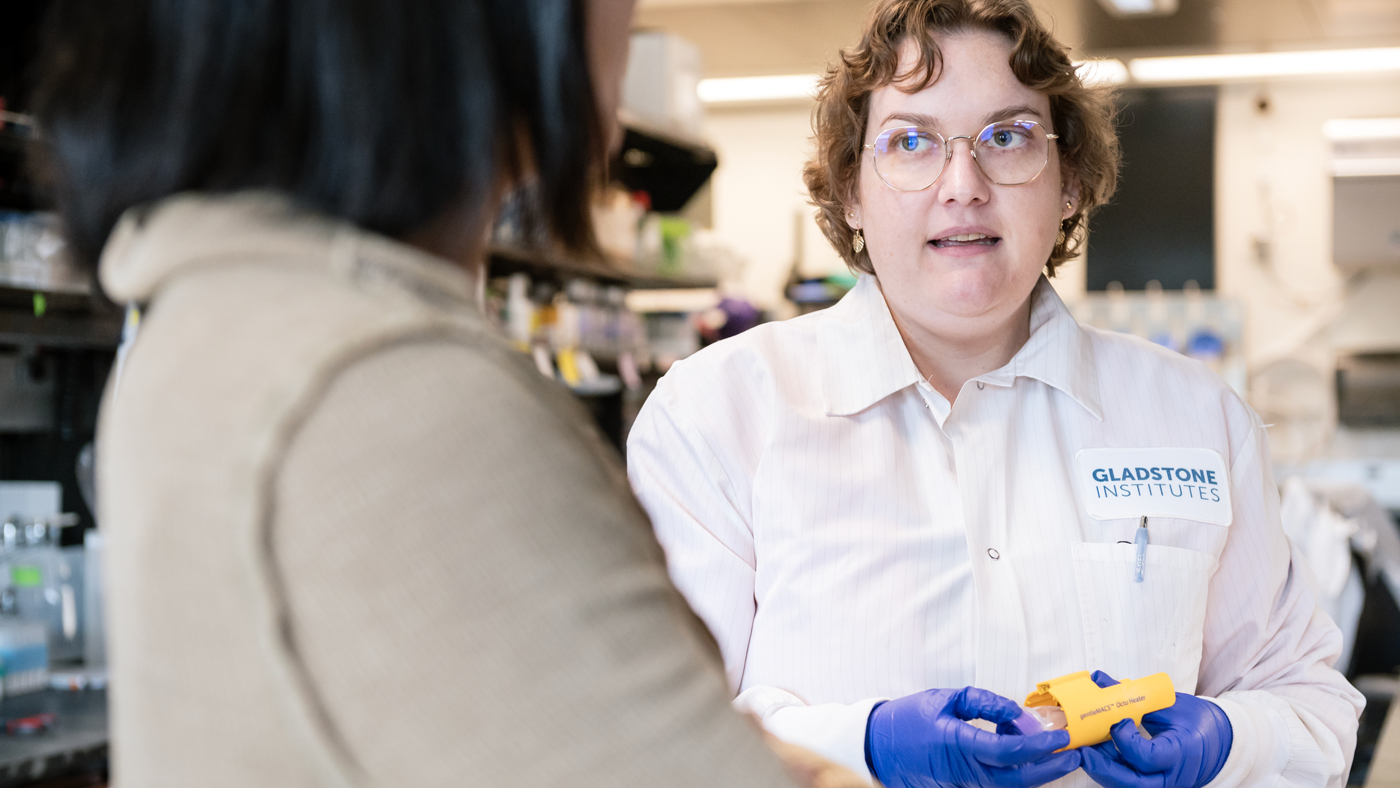
George and her colleagues found that treating HIV cells with metformin blocked the virus's ability to reactivate, suggesting a possible role for this drug in delaying, or even preventing, HIV.
This led the scientists to conduct a series of experiments to validate whether metformin can help suppress HIV. In one notable experiment, treating cells taken from people with HIV with metformin blocked the ability of HIV to reactivate, suggesting a possible role for this drug in helping achieve “block and lock”.
The team is next planning to test metformin and related compounds in a variety of pre-clinical models for their ability to prevent HIV reservoir cells from generating active HIV upon interruption of antiretroviral treatment.
Drugs that effectively silence HIV could also have health benefits even for those who stay on antiretroviral therapy. This is because the drugs can limit the levels of viral gene products—a driver of inflammation—that these individuals are chronically exposed to.
“We are excited to pursue HIV silencing strategies both as a way to achieve block and lock, but also as a strategy to improve the overall health of people with HIV by lessening chronic inflammation,” Roan says.
For Media
Julie Langelier
Associate Director, Communications
415.734.5000
Email
About the Study
The paper, “Multiomic analysis of ART-interruption cohorts identifies cell-extrinsic and -intrinsic mechanisms driving lymphocyte-mediated control of HIV rebound,” was published by the journal Immunity on March 20, 2026.
The authors are Tongcui Ma, Ashley George, Zichong Li, Reuben Thomas, Kailin Yin, Min-Gyoung Shin, Mauricio Montano, Yusuke Matsui, Kyrlia Young, Julia Prigann, Julie Frouard, Katie Pollard, Melanie Ott, Warner Greene, and Nadia Roan of Gladstone; Ashokkumar Manickam, Edward Browne, and Nancie Archin of University of North Carolina at Chapel Hill; Sabrina Leddy and Cedric Feschotte of Cornell University; Maisha Adiba, Christina Herrde, and Ulrike Lange of Leibniz Institute of Virology; Douglas Nixon of Feinstein Institutes for Medical Research; Jonathan Li of Brigham and Women's Hospital; David Smith of UC San Diego; Steven Deeks, Sulggi Lee, and Satish K. Pillai of UC San Francisco; Ole S. Søgaard and Martin Tolstrupof Aarhus University; Mohamed Abdel-Mohsen of Northwestern University; and Robert Siliciano of Johns Hopkins University School of Medicine.
The work was supported by the James B. Pendleton Charitable Trust, the National Institutes of Health (R01-AI183286, R01-DK131526, R01-AI147777, R01-AG092241, P01-AI169606, P01-AI131374, P01-AI169768, R21-AI172060, UM1-AI164559, UM1-AI164567, UM1-AI068636, UM1-AI068634, UM1-AI106701, S10-RR028962, P30-AI027763, P30-DK063720, and S10-OD018040), and the Gates Foundation (NV-033977).
About Gladstone Institutes
Gladstone Institutes is an independent, nonprofit life science research organization that uses visionary science and technology to overcome disease. Established in 1979, it is located in the epicenter of biomedical and technological innovation, in the Mission Bay neighborhood of San Francisco. Gladstone has created a research model that disrupts how science is done, funds big ideas, and attracts the brightest minds.
Featured Experts
CSV file successfully filtered and rewritten.CSV file successfully filtered and rewritten.
Gladstone NOW: The Campaign
Join Us On The Journey
How a Single Viral Protein Hijacks Immune Cells to Supercharge COVID-19 Infection
Article
September 18, 2026
How a Single Viral Protein Hijacks Immune Cells to Supercharge COVID-19 Infection
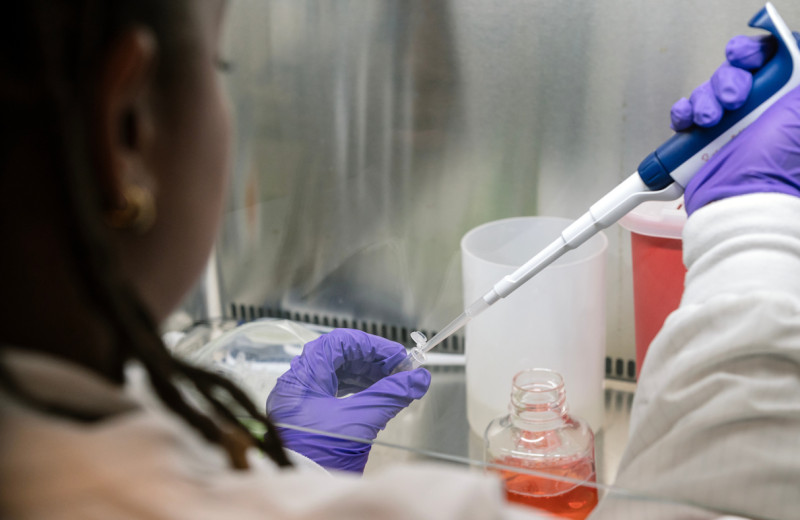
A new discovery reveals how a SARS-CoV-2 protein reprograms immune cells to accelerate viral spread—and points to a new strategy for therapeutic intervention.
News Release Ott Lab COVID-19 Infectious DiseaseThe 2026 Ogawa-Yamanaka Stem Cell Prize Awarded to Jun Takahashi
Article
September 14, 2026
The 2026 Ogawa-Yamanaka Stem Cell Prize Awarded to Jun Takahashi
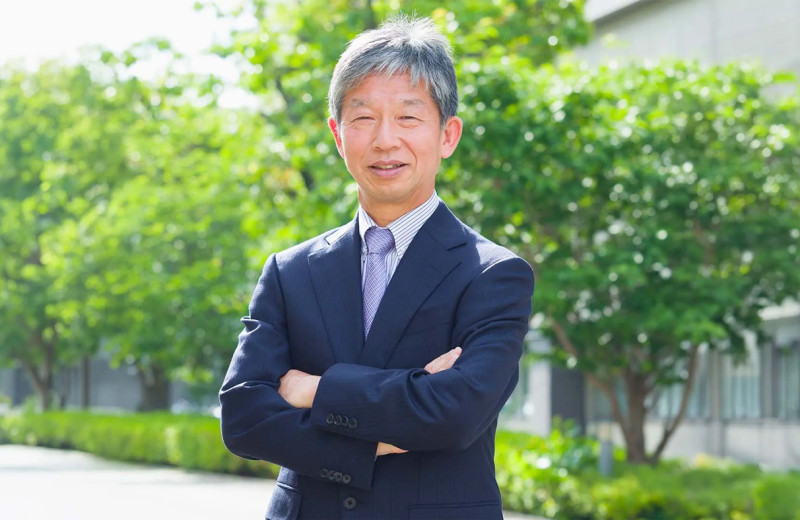
Takahashi is recognized for his pioneering work translating iPS cell technology into a clinically approved therapy for Parkinson’s disease.
Ogawa Stem Cell Prize Stem Cells/iPSCs Regenerative Medicine News Release AwardsScientists Decode Gene Circuits of Human Immunity, Fueling New Era of Disease Research

Article
August 28, 2026
Scientists Decode Gene Circuits of Human Immunity, Fueling New Era of Disease Research
An unprecedented map of 22 million immune cells provides the functional rulebook for virtual biology and next-generation immunotherapies.
Marson Lab Genomic Immunology Cancer Autoimmune Diseases News Release