


Gladstone-UCSF Institute of Genomic Immunology
Training can no longer be limited to the lab–the next leaders in immunotherapy must excel at strategic decision-making, career trajectory navigation, and understanding the intersection of discovery research, clinical translation, and commercialization of therapeutics. The Genomic Immunology Trainee Summit was designed by peers to bring together trainees from the Gladstone-UCSF Institute of Genomic Immunology for access to thought leaders across sectors, and multiple valuable networking opportunities.
This unique one-day summit will feature keynote addresses from visionary speakers Michael Fischbach and Kristen Hege, followed by breakout tracks highlighting tips and tricks for navigating careers, building professional skills, and making connections in either academic immunotherapy research or the biotech and venture sectors.
No matter your career ambitions, you’ll gain key perspectives and behind-the-scenes intel from leaders spanning academia, non-profits, venture, biotech, and more, while you explore career paths and strategic skills, and build your professional network.
Program
| 9:00–9:30am | Welcome and Introductions | |
| 9:30–10:30am | Keynote Speaker 1: Leadership (and Life) Lessons from the Pacific Coast Trail Kristen Hege, MD | Former SVP, Bristol Myers Squibb |
|
| 10:30–11:00am | Break | |
| 11:00am–12:00pm | Keynote Speaker 2: How to Pick a Scientific Problem Michael Fischbach, PhD | Liu (Liao) Family Professor of Bioengineering, Stanford University |
|
| 12:00–1:00pm | Lunch | |
| 1:00–3:00pm | Concurrent Tracks—Interactive Short Talks & Panels | |
| Track A: Academia & Adjacent | Track B: Biotech & Industry | |
| 1:00–2:00pm | Lessons from the Field: Early Career PI Panel and Q&A Magnus Hoffmann, PhD | Assistant Investigator, Gladstone Infectious Disease Institute Karin Pelka, PhD | Assistant Investigator, Gladstone-UCSF Institute of Genomic Immunology Zach Steinhart, PhD | Assistant Professor, Department of Otolaryngology Head and Neck Surgery, UC San Francisco Andrew Yang, PhD | Assistant Investigator, Gladstone Institute of Neurological Disease |
Crash Course Short Talks: Biotech & Industry Christen DiPetrillo, JD, PhD | Vice President, Head of Intellectual Property, Parker Institute for Cancer Immunotherapy Regis Kelly, PhD | Former Director, QB3 Institute Alan Korman, PhD | Chief Scientific Officer, BlueSphere Bio Leah Sibener, PhD | Senior Director, CSO Partner Team, Curio.Bio |
| 2:00–2:15pm | Break | |
| 2:15–3:00pm | Alternate Careers in & Around Academia Maya Arce, PhD | Science Fellow, Arc Institute Reid Bolus, PhD | Research Development Strategist & Grant Writer, Diabetes Center, UC San Francisco Tiago Faial, PhD | Chief Editor at Nature Genetics Dara Leto, PhD | Associate Director of Functional Genomics, Arc Institute |
Crash Course Short Talks: Biotech & Industry Christen DiPetrillo, JD, PhD | Vice President, Head of Intellectual Property, Parker Institute for Cancer Immunotherapy Regis Kelly, PhD | Former Director, QB3 Institute Alan Korman, PhD | Chief Scientific Officer, BlueSphere Bio Leah Sibener, PhD | Senior Director, CSO Partner Team, Curio.Bio |
| 3:00–4:00pm | Structured Networking Session (Rotational/Speed-Dating Format) | |
| 4:00–5:00pm | Reception | |
Speakers
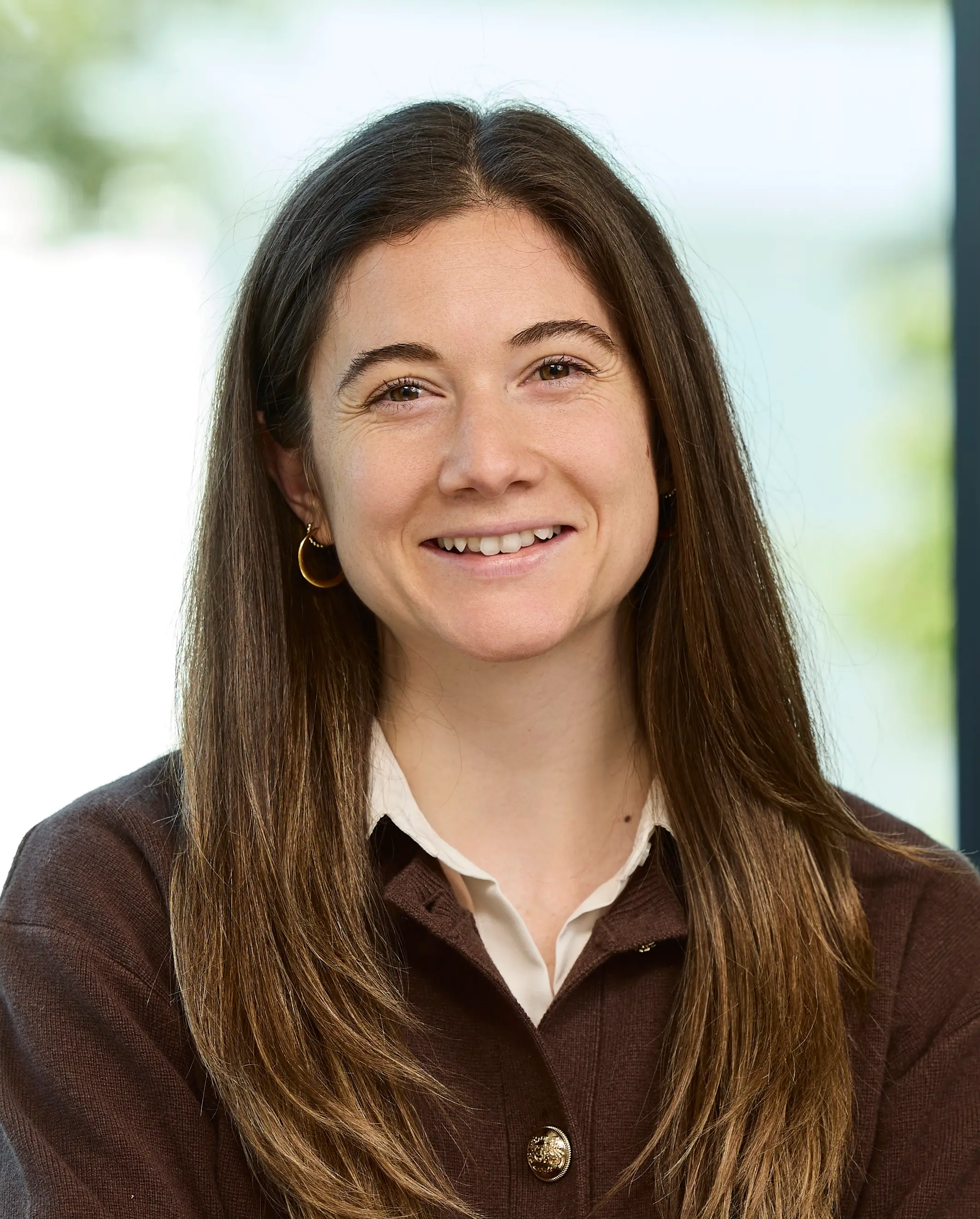
Maya Arce, PhD
Maya Arce earned her PhD at UC San Francisco, under the supervision of Alex Marson, MD, PhD. During this time, she investigated cell type and activation state specific transcriptional regulators required for control of specific T cell attributes. Her work established context specific gene regulatory maps and provided new mechanistic insights into the systems that enable dynamic regulation of human immune gene programs. As a science fellow at Arc, Arce focuses on understanding the early changes in cellular behavior that drive immune mediated disease.
Reid Bolus, PhD
Reid Bolus received his BS in 2011 in Biology from the University of Tennessee, Chattanooga and his PhD in Molecular Physiology and Biophysics from Vanderbilt in 2017, studying the impact of obesity-associated inflammation on adipose tissue function and systemic metabolic health. He performed his postdoctoral work in the Koliwad Lab before joining the UCSF Diabetes Center staff as a Research and Development Strategist in 2024. In this role, he supports faculty in pursuing funding opportunities, helping them strategize grant ideas and develop them into polished, competitive applications, as well as supporting large-scale center grants across the institute.
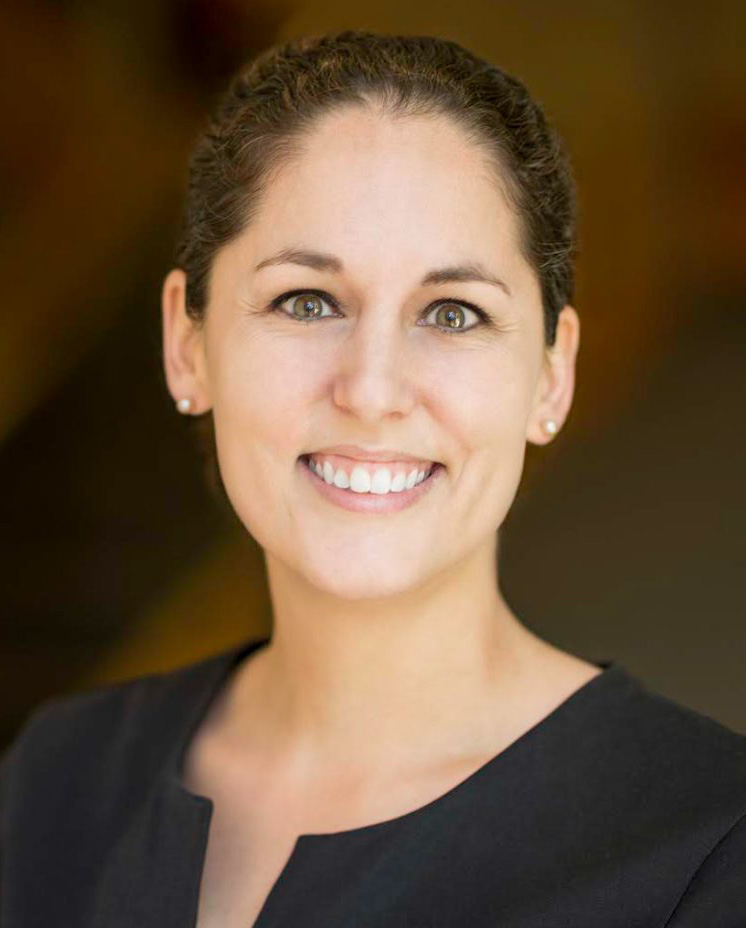
Christen DiPetrillo, JD, PhD
Christen DiPetrillo is Vice President, Head of Intellectual Property at the Parker Institute for Cancer Immunotherapy (PICI), where she leads intellectual property strategy to advance the translation of innovative cancer immunotherapies. Working at the intersection of science, intellectual property, and business strategy, she partners with investigators across PICI’s network institutions, PICI leadership, and external collaborators to shape licensing opportunities, strategic partnerships, and new ventures that help bring promising discoveries closer to patients.
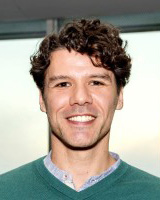
Tiago Faial, PhD
Tiago Faial obtained his PhD from the Stem Cell and Developmental Biology program at the University of Cambridge under the supervision of Jim Smith and Roger Pedersen, where he studied gene regulatory networks and signaling cascades that underpin mesoderm differentiation. For his postdoctoral work, Faial joined Joanna Wysocka's laboratory at Stanford University where he studied the dynamics of epigenetic landscapes in pluripotency. He joined Nature Genetics in 2015 and was appointed Chief Editor in 2022.
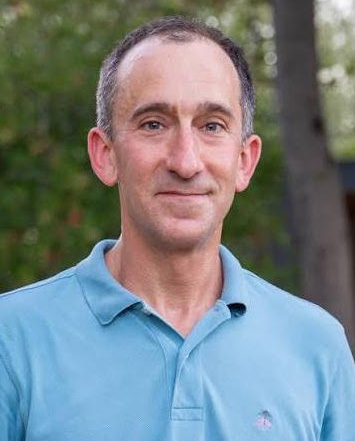
Michael Fischbach, PhD
Michael Fischbach is the Liu (Liao) Family Professor of Bioengineering at Stanford University, an Institute Scholar of Stanford ChEM-H, and the director of the Stanford Microbiome Therapies Initiative. His laboratory studies the mechanisms of microbiome-host interactions. Fischbach is a co-founder of Revolution Medicines and Kelonia, a co-founder and director of Azalea, a member of the scientific advisory boards of the Chan Zuckerberg Initiative, Stand Up to Cancer, and TCG Labs/Soleil Labs, and an innovation partner at The Column Group.
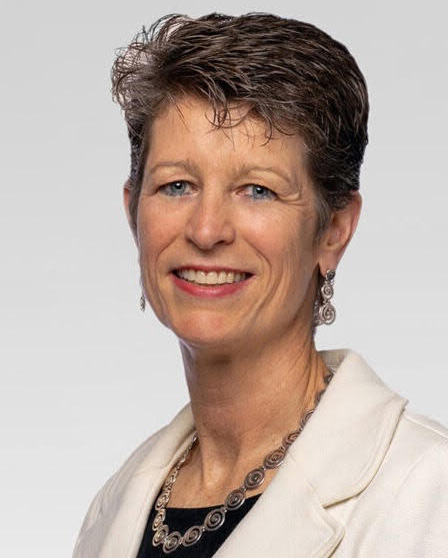
Kristen Hege, MD
Kristen Hege is a renowned physician-scientist with 30 years of experience in biopharma drug development and academic clinical medicine. She currently serves on the Board of Directors of EvolveImmune and KSQ Therapeutics and recently stepped down from director roles at Kelonia, Mersana and Adaptimmune following external acquisitions. In addition, she serves as co-chair of the Biotech Committee and Women in Immunotherapy Network for the Society for the Immunotherapy of Cancer (SITC) along with advisory roles at cTRL, Moonlight, Dispatch, Neomorph, Kamau, Cartography, Shennon, Avemi, OverT, Waypoint, Moderna, Generate, Legend, Infinitopes, Red Tree Ventures and Third Rock Ventures. Dr. Hege retired from her executive role at Bristol Myers Squibb in 2023 to pursue her life long dream of thru hiking the 2650 mile Pacific Crest Trail (PCT). In her BMS role as SVP Early Clinical Development, Hematology, Oncology & Cell Therapy, she was responsible for advancing a pipeline of small molecules, biologics and cell therapies from first-in-human studies through clinical proof-of-concept. In addition, Dr. Hege spent nearly three decades as part time clinical faculty in hematology at UCSF, most recently as Clinical Professor of Medicine.
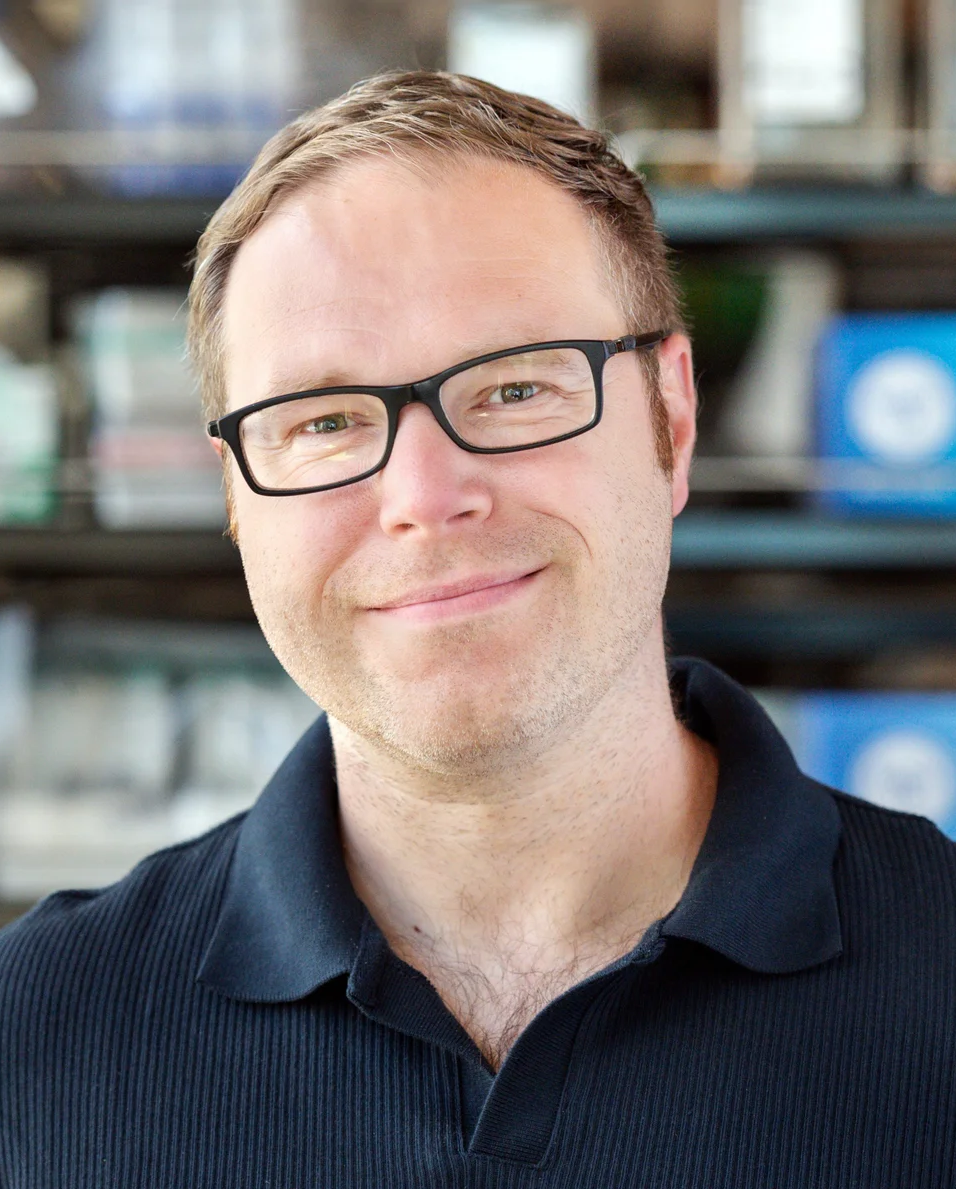
Magnus Hoffmann, PhD
Magnus Hoffmann joined Gladstone Institutes in 2024 as an assistant investigator with the Gladstone Infectious Disease Institute and the Gladstone Institute of Data Science and Biotechnology. Through his research, he seeks to advance a new generation of more effective vaccines, improved drug delivery methods, and a greater overall understanding of vaccine-induced immune responses. Hoffmann holds a doctoral degree in biology from the California Institute of Technology, and he received a prestigious NIH Director’s Early Independence Award in 2022. The award enabled him to skip traditional postdoctoral training and move immediately into an independent research position at Caltech.
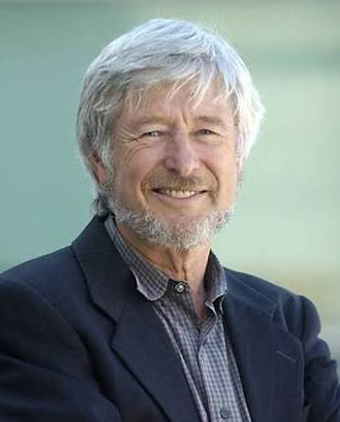
Regis Kelly, PhD
Regis Kelly recently retired as the Director QB3, one of four California Institutes for Science and Innovation, created by the California Legislature to strengthen the academic foundation of its technology-based industries. In this role, he supported entrepreneurs in their efforts to translate academic research into real-world solutions. From 2000 to 2004, Kelly served as Executive Vice Chancellor at the UC San Francisco, where his major responsibility was the new Mission Bay campus. Prior, he served as Chair of the Department of Biochemistry and Biophysics at UCSF; from 1988 to 1995, he was the Director of UCSF’s Cell Biology Graduate Program; and from 1992 to 2000, he was the Director of the Hormone Research Institute at UCSF.
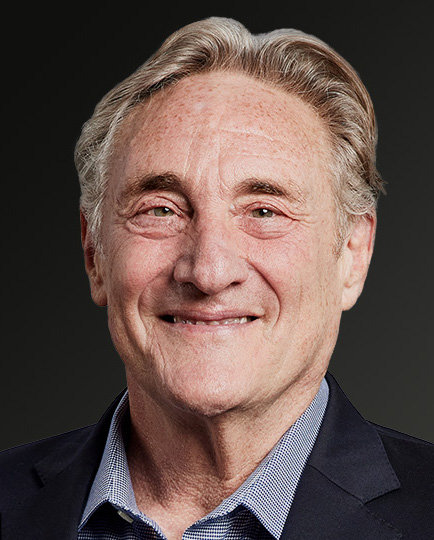
Alan Korman, PhD
Alan Korman brings more than three decades of immunotherapy and biotechnology experience to his role as Chief Scientific Officer and Board Member at BlueSphere Bio. Prior to joining BlueSphere, he served as the Senior Vice President of Human Immunology at Vir Biotechnology. Before that, Korman was the Vice President of Immuno-Oncology Discovery at Bristol-Myers Squibb. Korman received his PhD in Cellular and Developmental Biology from Harvard University, A.M. in Biology from Harvard University and A.B. in Biology from Brandeis University. Following the completion of his education, he was a Fellow at the Whitehead Institute at the Massachusetts Institute of Technology. In addition, Korman holds more than 30 patents and most notably, played an instrumental role in the discovery of the first anti-CTLA-4 checkpoint inhibitor.
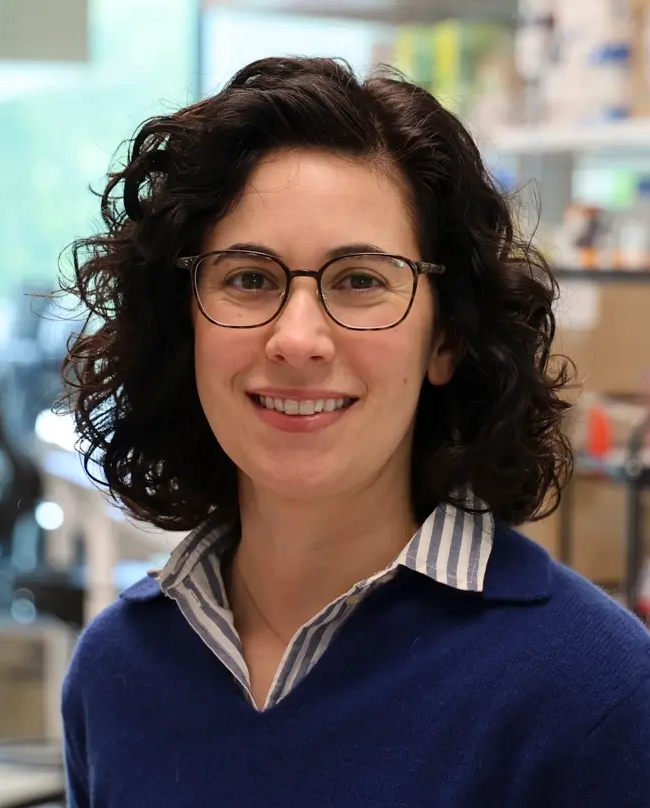
Dara Leto, PhD
Dara Leto leads a Functional Genomics group generating single-cell gene perturbation datasets across cell contexts as part of Arc's Virtual Cell Initiative. She earned her PhD from the Cell and Molecular Biology Program at the University of Michigan and completed postdoctoral research at Stanford University, where she used functional genomics to study protein quality control. Before joining Arc, she contributed to therapeutic programs at Arena Bioworks and Denali Therapeutics, applying high-throughput approaches to advance preclinical research and identify novel targets.
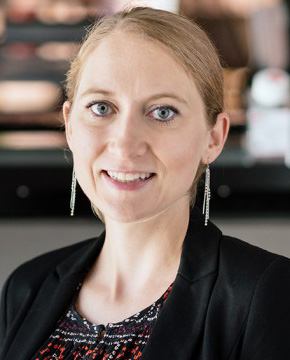
Karin Pelka, PhD
Karin Pelka is an assistant investigator at Gladstone Institutes. She is also an assistant professor in the Department of Microbiology and Immunology at UC San Francisco. Pelka aims to understand how immunological processes are regulated in human tissues in order to leverage the immune system in the fight against diseases such as cancer. She earned a PhD in innate immunity from the University of Bonn in Germany, where she discovered a key regulatory mechanism that controls the detection of infection- or danger-associated nucleic acids by sensors of the innate immune system. As a postdoctoral fellow at the Broad Institute of MIT and Harvard, she shifted her interest to cancer immunology and systems biology and then started her lab at Gladstone in 2021.
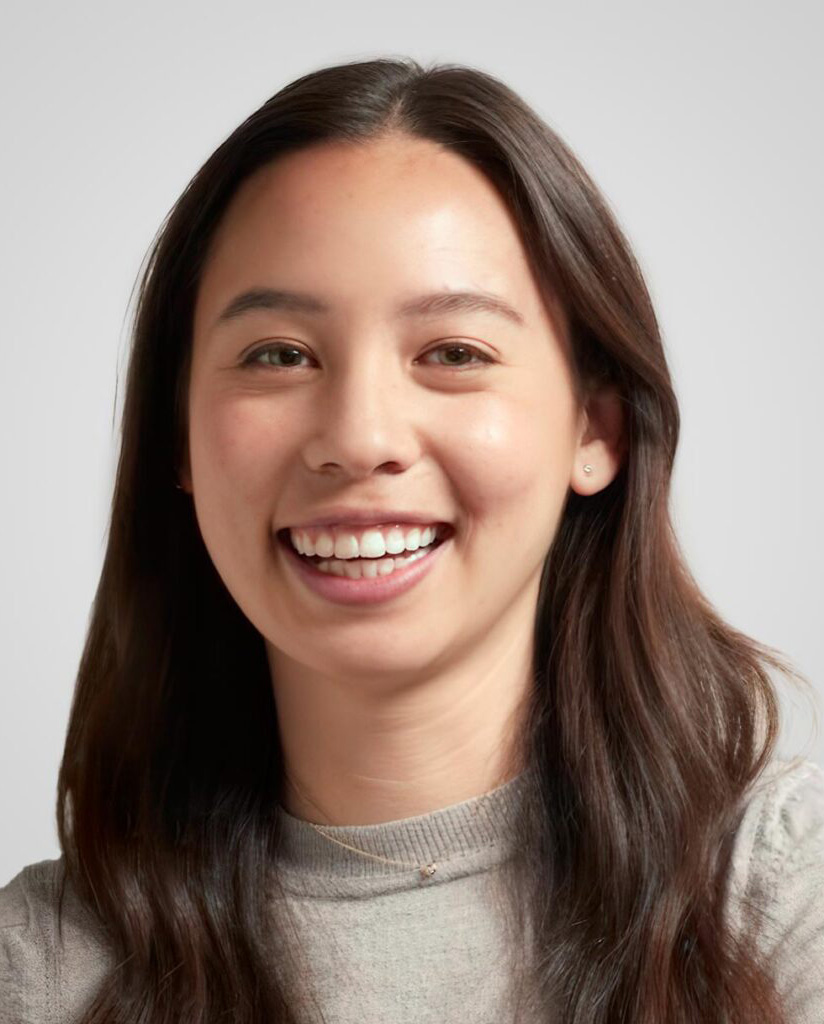
Leah Sibener, PhD
Leah Sibener earned her PhD in Immunology from Stanford in Chris Garcia’s lab and her Bachelor’s in Biophysics from Johns Hopkins. After her PhD, Sibener founded 3T Biosciences with the vision to use patient immune responses to discover novel targets in solid tumors. As VP of Therapeutic Discovery, she built and led a multidisciplinary team encompassing protein engineering, immunology, and platform development, while continuing to help lead fundraising efforts and facilitate scientific collaboration with academic and pharma partners. Their efforts resulted in a pipeline of bispecific T cell engagers against internally discovered novel targets, a pharma partnership, and a successful Series A fundraise. She now serves as Senior Director of the CSO Partner Team at the venture firm Curie Bio.
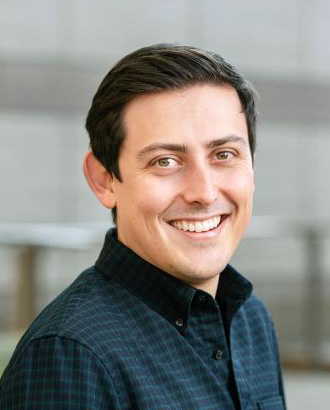
Zachary Steinhart, PhD
Zachary Steinhart completed his graduate training at the University of Toronto in the Angers Lab, where he researched Wnt-β-catenin driven cancers. He built some of the first tools to complete genome-scale CRISPR knockout screens in cancer cell lines, leading to the discovery of FZD5 as a therapeutic vulnerability in pancreatic cancer. For his postdoctoral fellowship Steinhart joined the Marson Lab at the Gladstone-UCSF Institute of Genomic Immunology where he applied his skills in CRISPR-based forward genetics to a human immunology context. Steinhart developed genome-scale CRISPR activation and interference screening technologies in primary T cells and is now applying these platforms to accelerate the discovery of cancer immunotherapies. He started his lab at UCSF as an assistant professor in the Department of Otolaryngology in 2026.
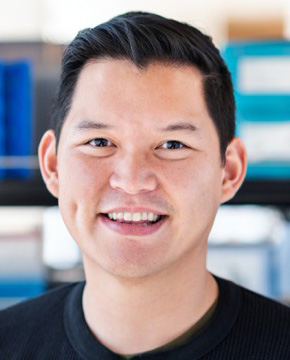
Andrew Yang, PhD
Andrew Yang is an assistant investigator at Gladstone Institutes, and an assistant professor in the Departments of Neurology and Anatomy at UC San Francisco. Yang earned a BS in mechanical engineering and materials science from the Massachusetts Institute of Technology and a PhD in bioengineering from Stanford University, where he trained in the neuroscience laboratory of Gladstone alumnus Tony Wyss-Coray. Yang applies his training in engineering and his curiosity about neuroscience toward understanding the meaning, mechanisms, and therapeutic potential of protein and immune cell messages at the critical interface where the brain interfaces with the blood. His research has shown an unexpected degree of communication across the blood-brain barrier and has revealed a critical role for this barrier in the development of Alzheimer’s disease.
About the Gladstone-UCSF Institute of Genomic Immunology
Founded in 2020, the Gladstone-UCSF Institute of Genomic Immunology brings together experts in immunology, synthetic biology, human genetics, and CRISPR genome engineering with clinical experts in manufacturing and trial design for novel immunotherapies. The institute blends the latest genomics and genome-engineering technologies with immunology research to engineer the human immune system for therapeutic benefit.
Details
Contact(s)
Diversity, Equity, and Inclusion
At Gladstone, we are committed to providing events and professional development activities that resonate with our community’s diverse members. Our goal is to develop creative programming that encompasses a wide variety of ideas and perspectives to inspire, educate, and engage with everyone within our walls.
We want to effect positive change through our events and activities by providing a platform for discussions on important topics related to increasing diversity and inclusiveness in the sciences.