Gladstone NOW: The Campaign Join Us on the Journey✕




During Gladstone’s 40th Anniversary Science Symposium, the Gladstone Women’s Initiative hosted a special panel discussion on building a more inclusive environment and advocating for gender parity in the scientific field.
Panelists
Karla A. Kirkegaard, PhD, Violetta L. Horton Research Professor of Genetics, Stanford University School of Medicine
Katherine S. Pollard, PhD, director, Gladstone Institute of Data Science and Biotechnology
Christine E. Seidman, MD, professor, Departments of Medicine and Genetics, Harvard Medical School and Brigham and Women’s Hospital
Marc Tessier-Lavigne, PhD, president and Bing Presidential Professor, Stanford University
Moderators
Melanie Das, PhD, scientist, Mucke Lab, Gladstone Institutes
Jeannette Osterloh, PhD, manager, Corporate Liaison and Ventures, Gladstone Institutes
Want to Join the Team?
Our people are our most important asset. We offer a wide array of career opportunities both in our administrative offices and in our labs.
Explore CareersTurning the Tide on Tau: Q&A With Gladstone’s Lennart Mucke
Article
July 1, 2026
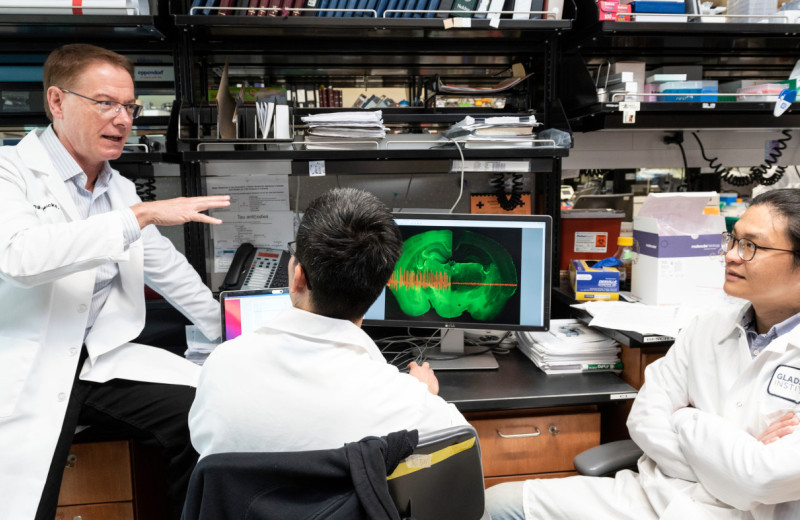
Turning the Tide on Tau: Q&A With Gladstone’s Lennart Mucke
Nearly 20 years after his landmark study uncovered novel roles of tau in Alzheimer’s disease, Gladstone's Lennart Mucke shares his perspective on new clinical data that could transform the future of brain health.
Mucke Lab Alzheimer’s Disease Gladstone Experts Neurological Disease News ReleaseThis Is AI Decoding the Genetic Cause of Disease
Video
March 23, 2026
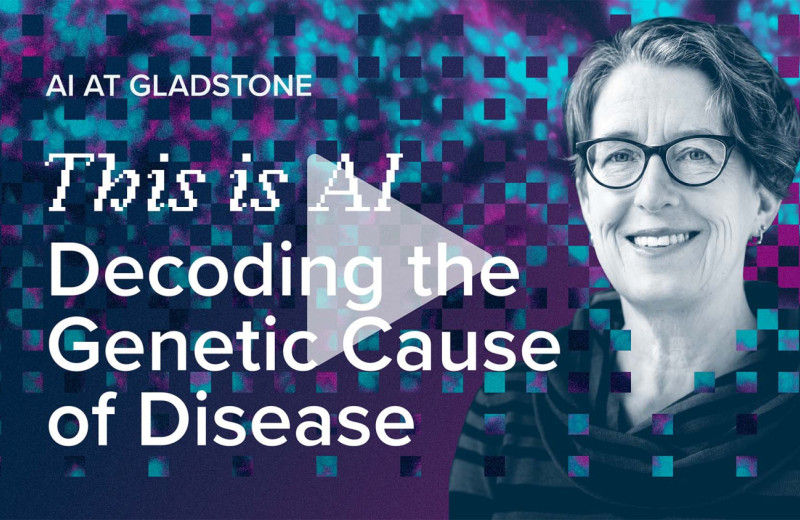
This Is AI Decoding the Genetic Cause of Disease
In this video, Katie Pollard and Deepak Srivastava explain how Gladstone scientists are combining AI models with novel tools in the lab to finally decode the entire human genome.
Gladstone Experts Pollard Lab Srivastava Lab AIScience in Seconds | A New Path Toward Life Without Daily HIV Pills
Video
March 20, 2026
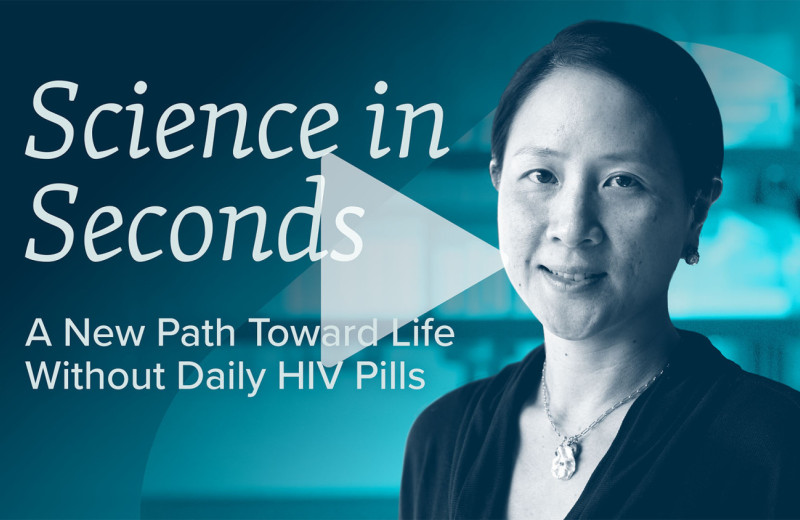
Science in Seconds | A New Path Toward Life Without Daily HIV Pills
In this video, Nadia Roan and Ashley George explain how they uncovered a new path toward long-term health without the need for daily HIV pills.
Gladstone Experts Research (Publication) HIV/AIDS Infectious Disease Roan Lab