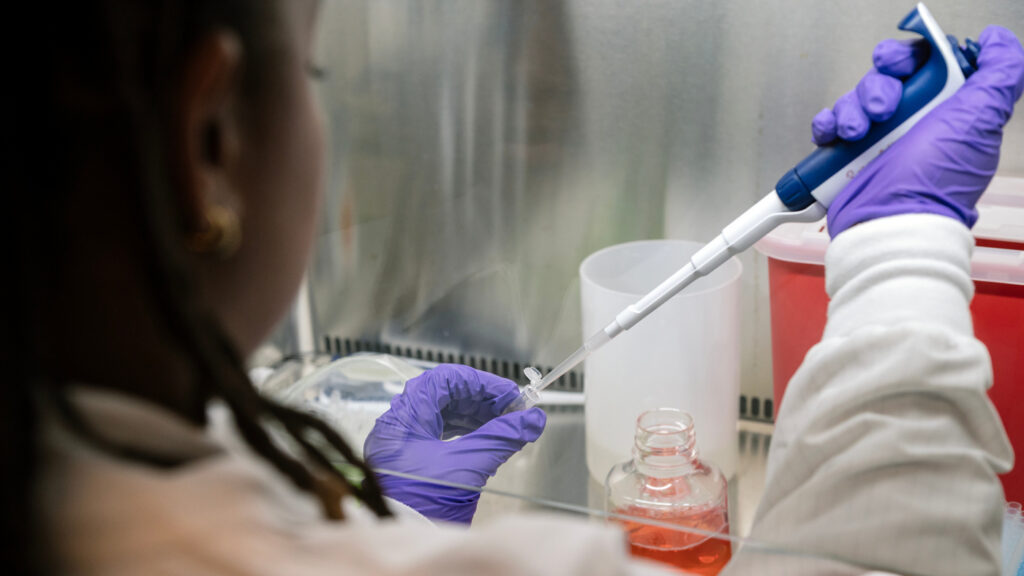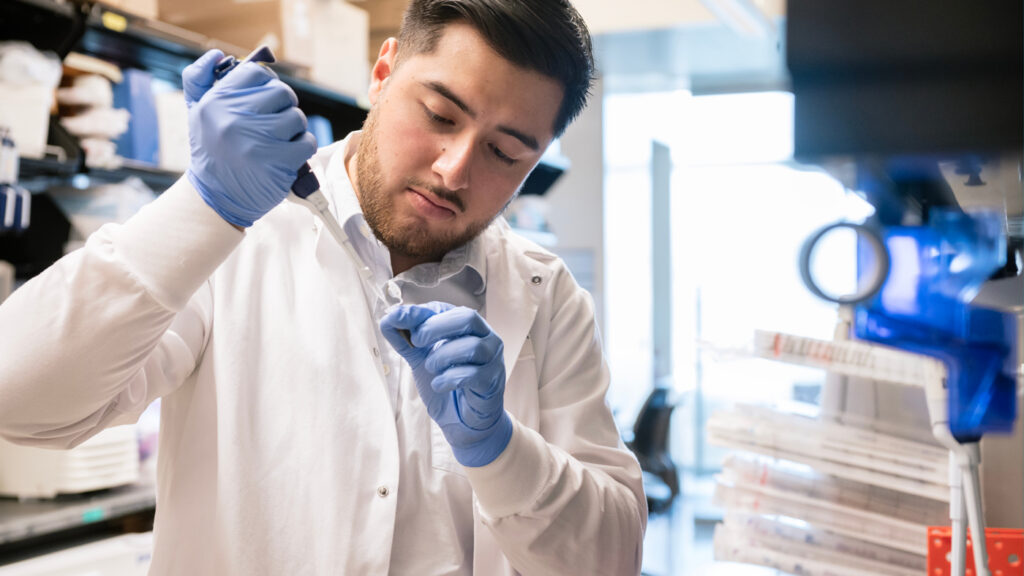
Steven Finkbeiner and his lab study how brain cells learn and remember, and what causes them to malfunction or die in disease.
The long-term goal is to understand how these normal functions go awry and cause neurological and psychiatric diseases. To this end, the lab has developed patient-derived models of several of them, including Huntington’s disease, Parkinson’s disease, Lewy Body Dementia, amyotrophic lateral sclerosis (ALS), frontotemporal dementia, Alzheimer’s disease, autism and schizophrenia. The group has also developed state-of-the-art technologies to generate and analyze large troves of images and genetic data, including robotic microscopy and artificial intelligence.
Disease Areas
- Alzheimer’s Disease
- Huntington’s Disease
- Parkinson’s Disease
- Lewy Body Dementia
- Amyotrophic Lateral Sclerosis (ALS)
- Frontotemporal Dementia
- Autism
- Schizophrenia
- Neurodegenerative Diseases
Areas of Expertise
- Artificial Intelligence
- Stem Cells and iPS Cells
- Disease Models
- Robotic Microscopy
- Data Science
- Human Genetics
- Genetic and Small Molecule Screening
- Digital Neuropathology
Lab Focus
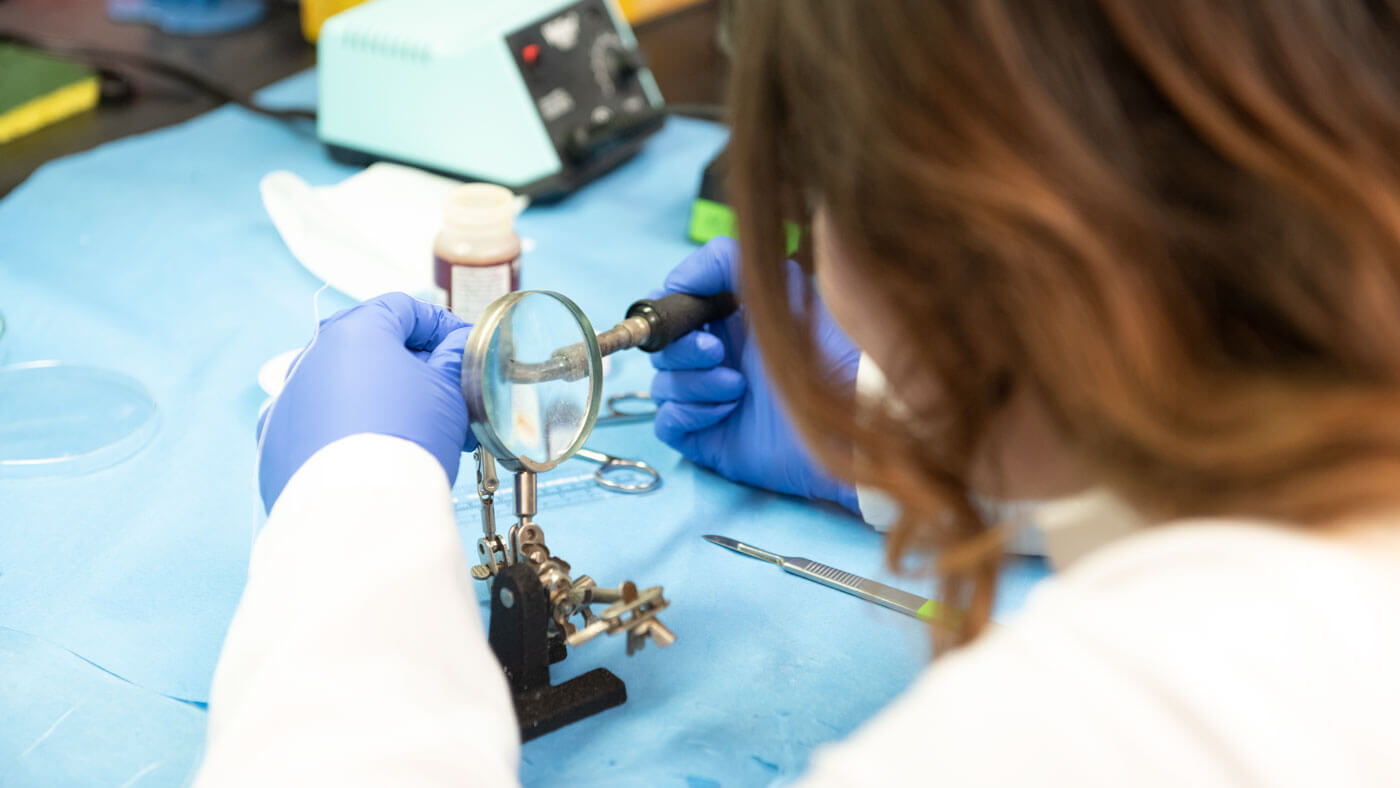
- Understanding the basic mechanisms by which cells mitigate stresses such as the protein misfolding involved in aging and disease.
- Finding causes and treatments for Huntington’s, Parkinson’s and Alzheimer’s disease, Lewy Body Dementia, ALS, frontotemporal dementia, autism and schizophrenia.
- Inventing and developing innovative technologies such as robotics and artificial intelligence to accelerate the pace of science and the discovery of cures.
Research Impact
Finkbeiner’s lab strives to understand the neurobiology of disease well enough to design rational interventions and produce effective treatments. They bring human biology into the lab by combining human genomics and the creation of human models of disease based on iPS cells and other patient material. The limitations of conventional approaches led them to invent new tools such as robotic microscopy, and to adapt artificial intelligence to unravel cause and effect in complex mechanisms and gain insights from data that elude comprehension by the unaided human brain.
The work has led to seminal findings for the field and promising new therapeutic approaches. In one instance, robotic microscopy helped resolve a decade-old controversy about the pathogenesis of Huntington’s disease. In another, new biosensor technology helped design neuroprotective compounds that cause cells to destroy disease-causing proteins linked to Alzheimer’s, Parkinson’s and Huntington’s disease.