In Alzheimer’s Disease, the Brain’s Pacemaker Cells Lose Their Beat
Research in mice reveals how critical brain cells misfire in Alzheimer’s and identifies a targeted strategy to restore healthy brain rhythms.


The prize was established in 2015, through a generous gift from the Betty and Hiro Ogawa family, and is supported by Gladstone Institutes. It recognizes the importance of induced pluripotent stem (iPS) cells, discovered by Gladstone Senior Investigator and Nobel laureate Shinya Yamanaka, MD, PhD.
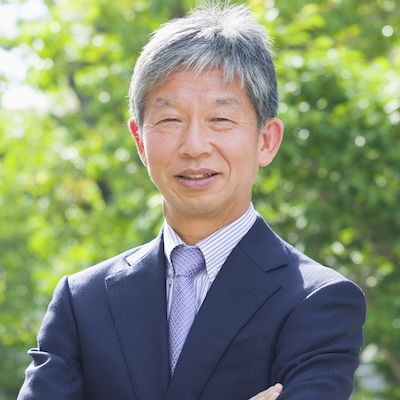
The 2026 Ogawa-Yamanaka Stem Cell Prize is awarded to Jun Takahashi, MD, PhD, for pioneering the translation of induced pluripotent stem (iPS) cell biology into regenerative therapies for Parkinson’s disease, culminating in the world’s first clinical approval for iPS cell-derived cell transplantation.
A ceremony will be held on November 19, at Gladstone, during which the awardee will give a scientific lecture and be presented with the award, along with an unrestricted prize of $150,000 USD.
If you’re interested in attending the livestream of the 2026 award ceremony, pre-register for the webinar on Zoom.

2026
Professor, Department of Clinical Application,
Center for iPS Cell Research and Application, Kyoto University
Jun Takahashi was selected for pioneering the translation of induced pluripotent stem (iPS) cell biology into regenerative therapies for Parkinson’s disease, culminating in the world’s first clinical approval for iPS cell-derived cell transplantation.
2025
Founding Member, Whitehead Institute for Biomedical Research, and Professor of Biology, Massachusetts Institute of Technology
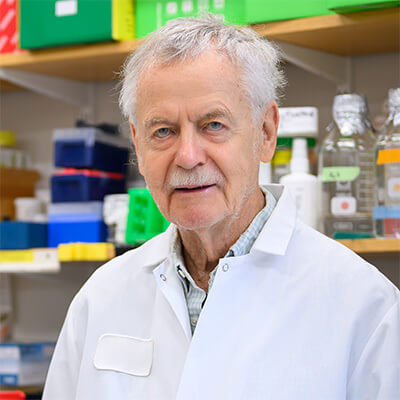
Rudolf Jaenisch was selected for his trailblazing contributions to epigenetics and stem cell biology. His pivotal discoveries have profoundly advanced our understanding of gene regulation, cellular reprogramming, and the potential of regenerative medicine.

2024
Professor in the Laboratory of Genetics, Salk Institute for Biological Studies
Rusty Gage was awarded the 2024 Ogawa-Yamanaka Stem Cell Prize for reshaping our understanding of stem cells in the adult brain and making landmark discoveries that may contribute to the development of new or better therapies for neurological disorders.

2023
Professor, Department of Physiology, Development and Neuroscience, at the University of Cambridge, and Bren Professor of Biology and Biological Engineering, California Institute of Technology
Magdalena Zernicka-Goetz was selected for her work uncovering fundamental mechanisms that drive the development of mammalian embryos, which led to the creation of human embryo models that self-assemble from pluripotent stem cells in a dish.
2022
Director of the San Diego Institute of Science of Altos Labs
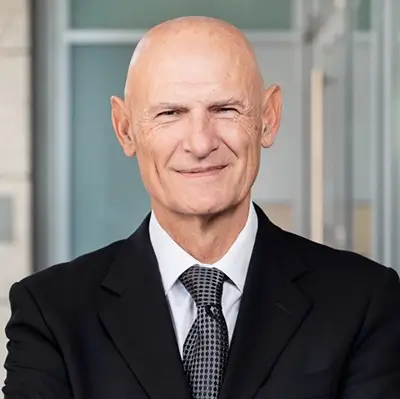
Izpisua Belmonte was selected for his work leading to innovations in cellular rejuvenation programming and its promise for the improvement of aging and age-associated diseases.

2019
Director of the McEwen Stem Cell Institute at the University Health Network in Toronto, Canada
A world-renowned stem cell scientist, Keller was selected for his contributions to efficient lineage-specific differentiation of human pluripotent stem cells into a myriad of cell types, enabling disease modeling and regenerative medicine approaches for many human diseases.
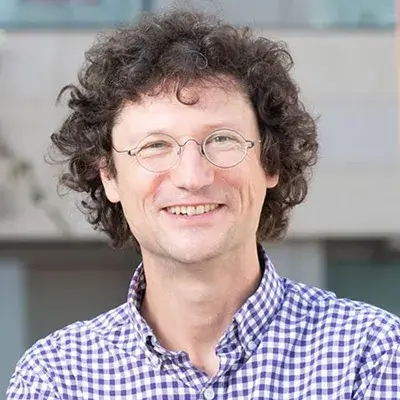
2018
Associate Professor at the Institute for Stem Cell Biology and Regenerative Medicine at Stanford University
Wernig was selected for his innovative direct neuronal reprogramming technology, and for his contributions to the advancement of therapies for genetic diseases based on iPS cells. His groundbreaking research has advanced the development of disease models for neurological diseases and skin disorders.

2017
Director of the Center for Stem Cell Biology and member of the Developmental Biology Program at the Memorial Sloan Kettering Cancer Center
A distinguished stem cell biologist, Studer was selected for his transformative contributions to the field of cellular reprogramming and the application of human iPS cells to human disease. His groundbreaking research has advanced the therapeutic potential of stem cell–based therapies in Parkinson’s disease and other neurological disorders.

2016
Co-director of the Harvard Stem Cell Institute, Xander University Professor at Harvard University, Investigator of the Howard Hughes Medical Institute
Melton was honored for his research that led to a novel way to reprogram human stem cells into insulin-producing beta cells. His work provides the foundation for the ultimate goal of transplanting patient-specific beta cells to treat diabetes.

2015
Project Leader, Laboratory for Retinal Regeneration at the RIKEN Centre for Developmental Biology
Takahashi was honored for her trailblazing research that led to the first clinical trial to use induced pluripotent stem iPS cells in humans. Her work paves the way for using stem cells to treat retinal diseases, including macular degeneration.
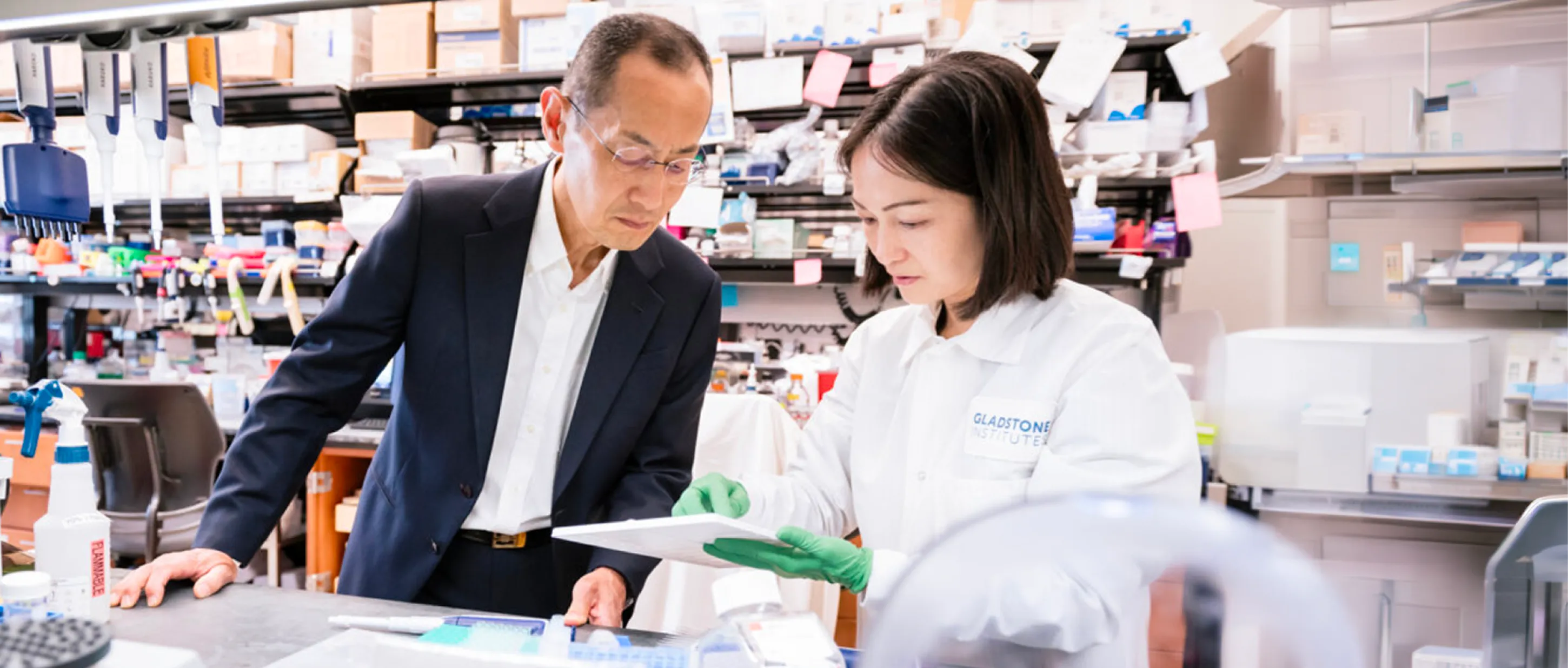
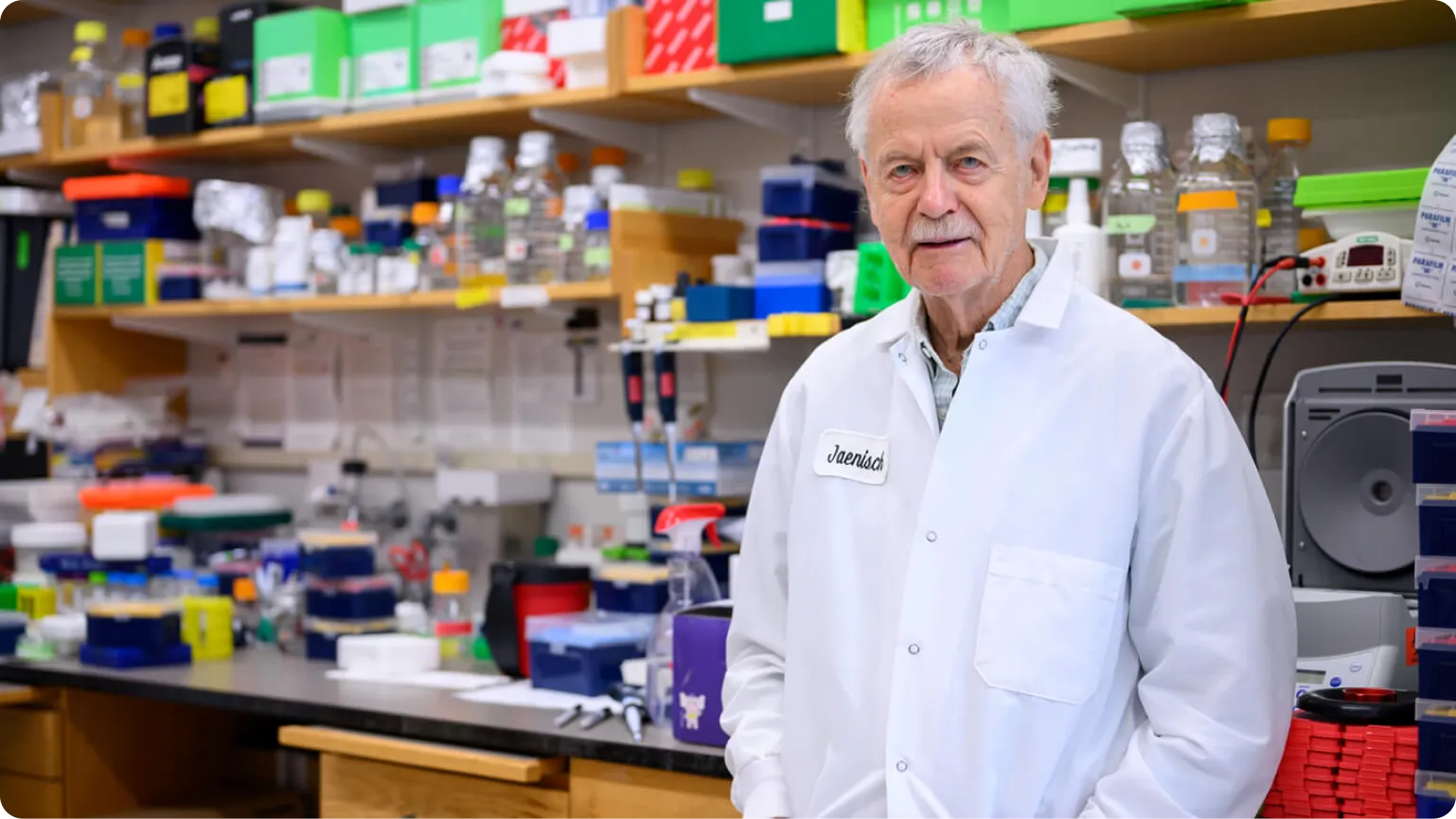
Rudolf Jaenisch, MD, was the recipient of the 2025 Ogawa-Yamanaka Stem Cell Prize by Gladstone Institutes. He was selected for his trailblazing contributions to epigenetics and stem cell biology.
Nominations for the 2026 prize are closed.
George Daley, MD, PhD
Dean, Harvard Medical School
Hideyuki Okano, MD, PhD
Dean, School of Medicine, Keio University
Deepak Srivastava, MD
President, Gladstone Institutes
Director, Roddenberry Stem Cell Center, Gladstone Institutes
Lorenz Studer, MD
Director, Center for Stem Cell Biology, Memorial Sloan Kettering Cancer Center
Fiona Watt, FRS, FMedSci
Director, Centre for Stem Cells & Regenerative Medicine, King’s College London
Shinya Yamanaka, MD, PhD
Senior Investigator, Gladstone Institutes
Director Emeritus and Professor, Center for iPS Cell Research and Application, Kyoto University
The selection committee is appointed by Shinya Yamanaka, MD, PhD, and Deepak Srivastava, MD, of Gladstone Institutes.

Discover disease research, explore the latest scientific news, and connect with experts through Gladstone’s enriched digital platform.
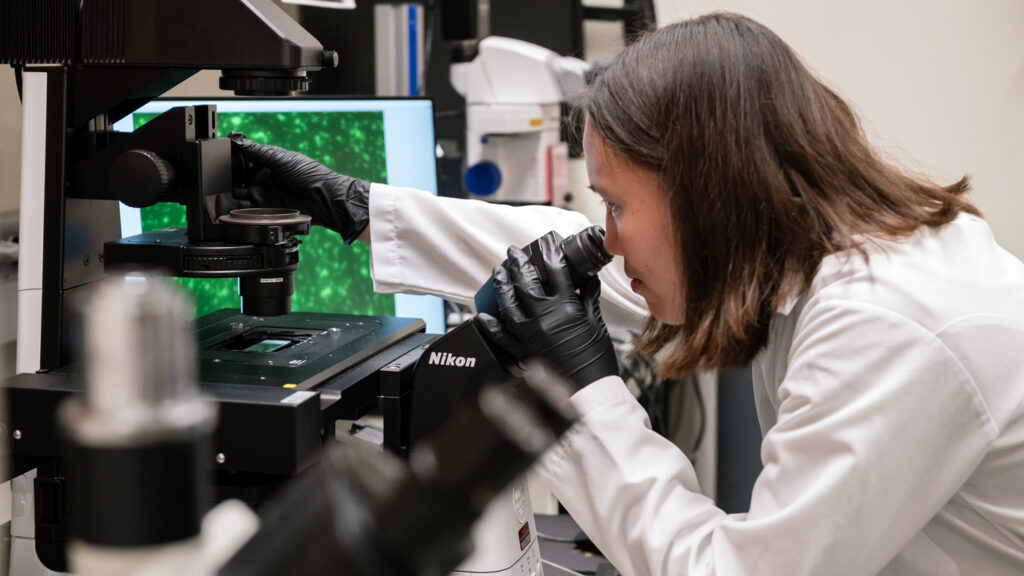
The complex Rube Goldberg-like molecular machinery could inspire novel technology to study and treat disease.
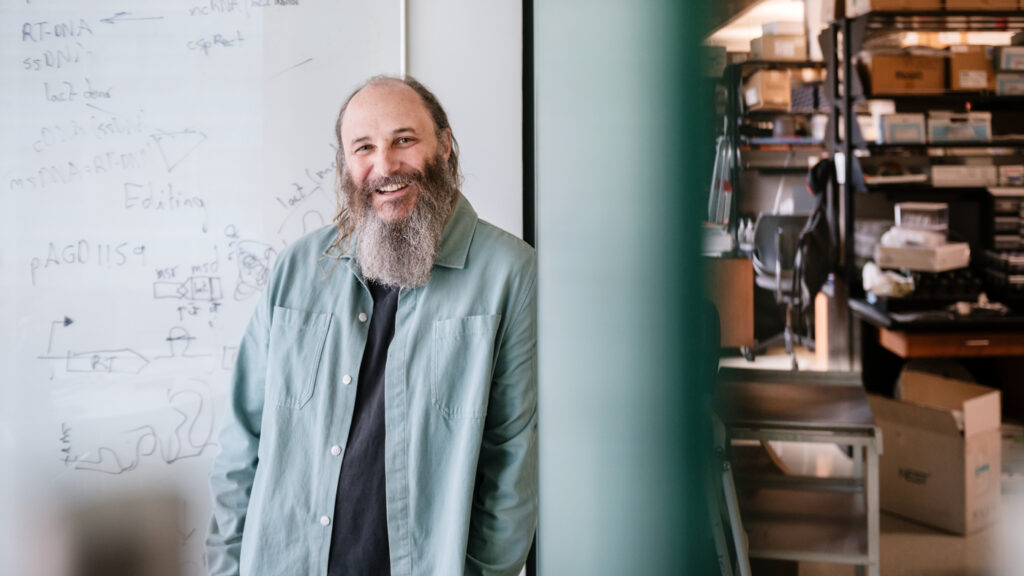
Shipman is recognized for pioneering molecular technologies that record cellular activity, expand genome editing, and target antibiotic-resistant superbugs.
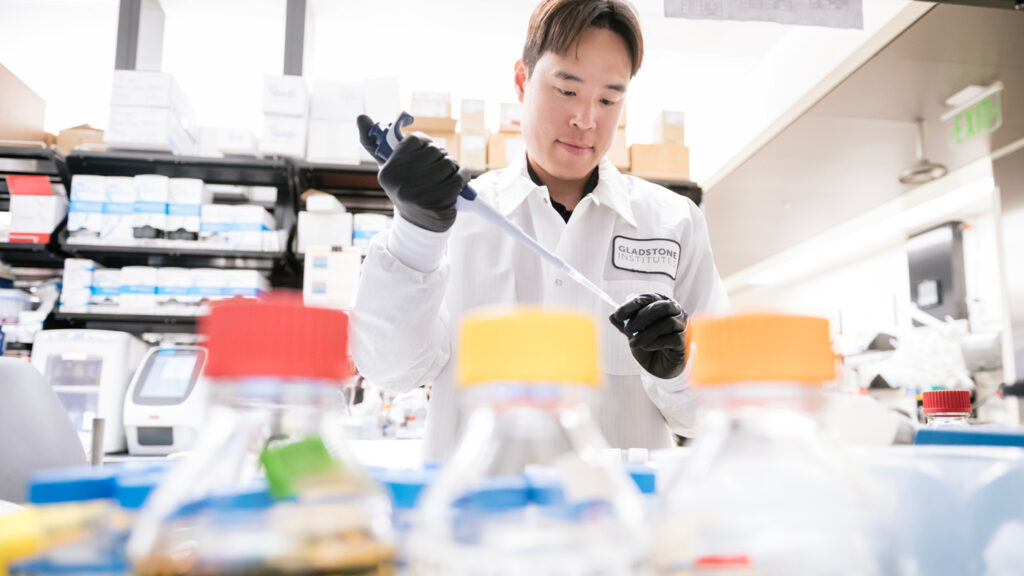
Inspired by bacterial biology, the Gladstone-developed “Detectron” opens up new possibilities for disease research and potentially treatments.
Our people are our most important asset. We offer a wide array of career opportunities both in our administrative offices and in our labs.
Open PositionsDiscoveries don’t stay in our labs. Gladstone facilitates spinout companies to advance promising therapies, shortening the path between scientific discovery and helping real patients.
Learn MoreYour gift to Gladstone will allow our researchers to pursue high-quality science, focus on disease, and train the next generation of scientific thought leaders.
Donate Now