2024 Year in Review
As 2024 comes to a close, we reflect on a transformative year of discovery and growth at Gladstone. Advances in artificial intelligence, cellular reprogramming, and genetic editing are driving us closer to cures for diseases once thought untreatable.
Our scientists published nearly 160 peer-reviewed studies this year, with breakthroughs in Alzheimer’s, heart disease, cancer, and drug-resistant infections. Meanwhile, we embarked on an ambitious expansion of our Mission Bay campus, launching a $350 million campaign to add 15 new labs and hundreds of scientists. Revisit some of the most impactful moments that defined 2024.
Up Next
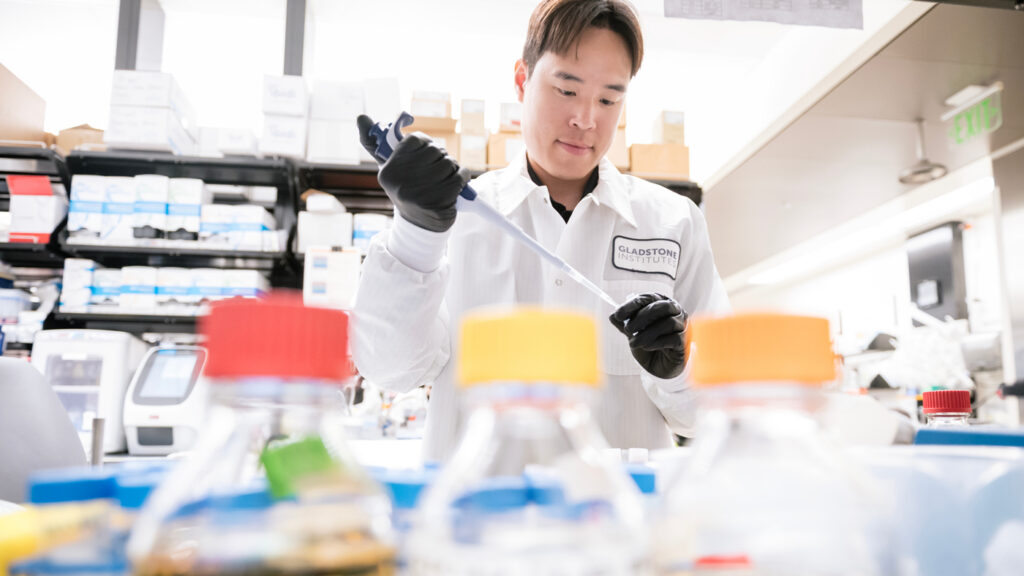
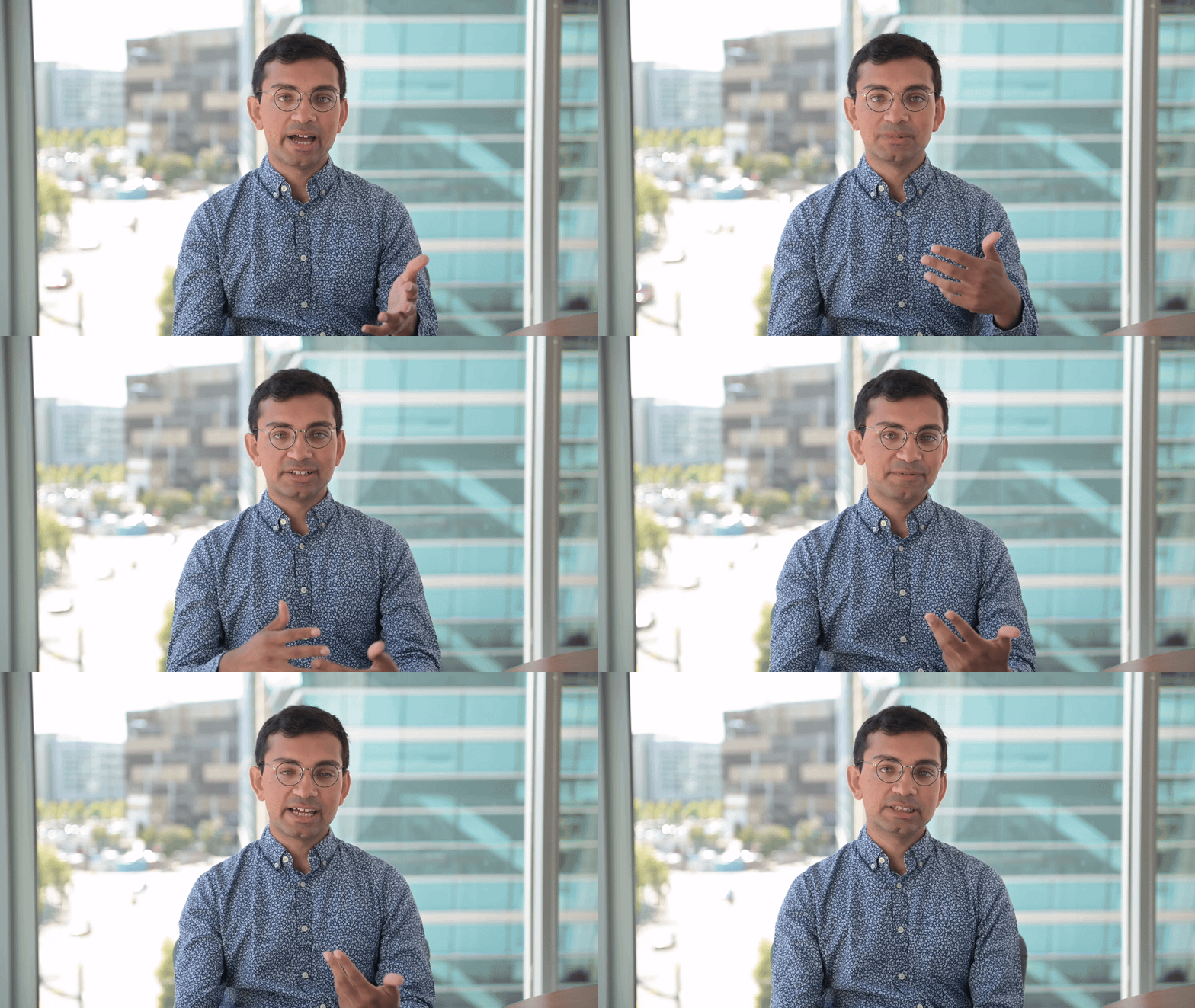
Meet Gladstone: Ayush Midha
Ayush Midha, a graduate student in the Jain Lab, studies how the body's metabolism adapts to low oxygen—work that's uncovered backup energy pathways, potential fertility treatments, and a link between oxygen levels and tumor growth.
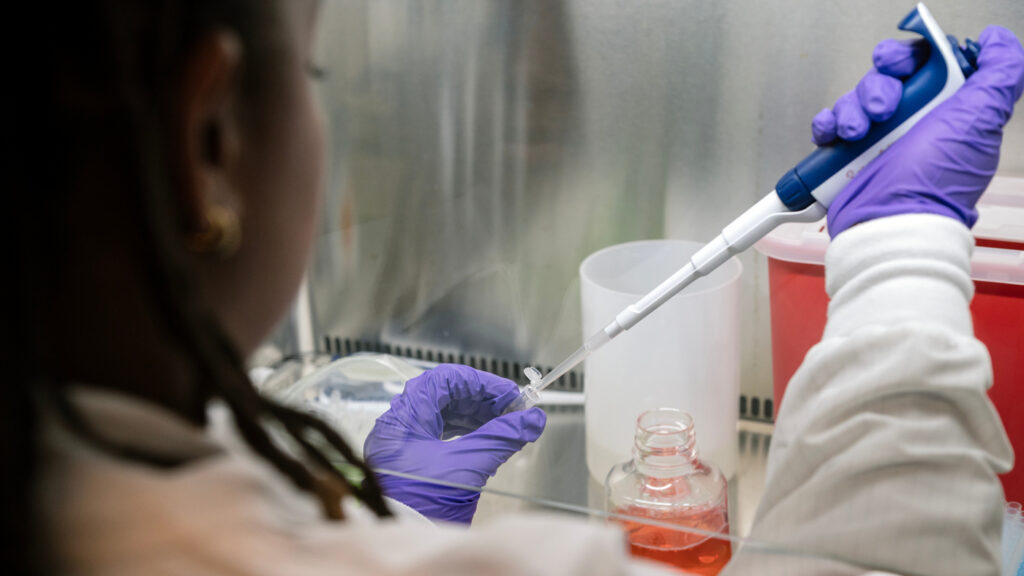
How a Single Viral Protein Hijacks Immune Cells to Supercharge COVID-19 Infection
A new discovery reveals how a SARS-CoV-2 protein reprograms immune cells to accelerate viral spread—and points to a new strategy for therapeutic intervention.
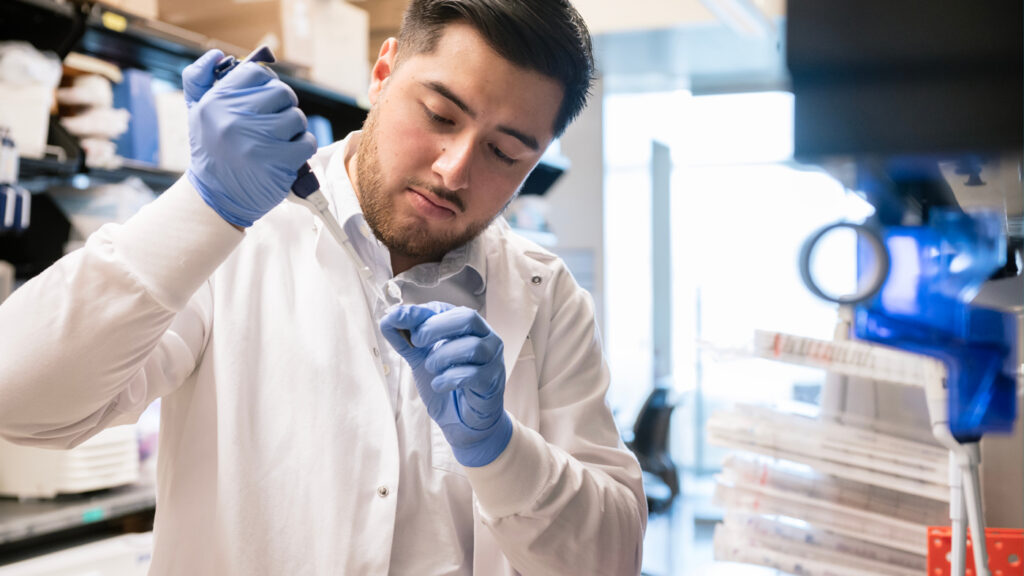
Rethinking ‘Exhausted’ T Cells: Gilbert Herrera Named Inaugural Ellen & Bernard Marson Fellow
The fellowship provides three years of funding for graduate students pursuing groundbreaking immunology research.

The 2026 Ogawa-Yamanaka Stem Cell Prize Awarded to Jun Takahashi
Takahashi is recognized for his pioneering work translating iPS cell technology into a clinically approved therapy for Parkinson’s disease.

Get Involved
Join the Team
Our people are our most important asset. We offer a wide array of career opportunities both in our administrative offices and in our labs.
Open PositionsPartner With Us
Discoveries don’t stay in our labs. Gladstone facilitates spinout companies to advance promising therapies, shortening the path between scientific discovery and helping real patients.
Learn MoreGive
Your gift to Gladstone will allow our researchers to pursue high-quality science, focus on disease, and train the next generation of scientific thought leaders.
Donate Now